Eternal Quest: The Bizarre Historical Attempts at Achieving Immortality
Historical Immortality Attempts reveal strange and fascinating journeys by humans dreaming of eternal life throughout history, sparking wonder and reflection.
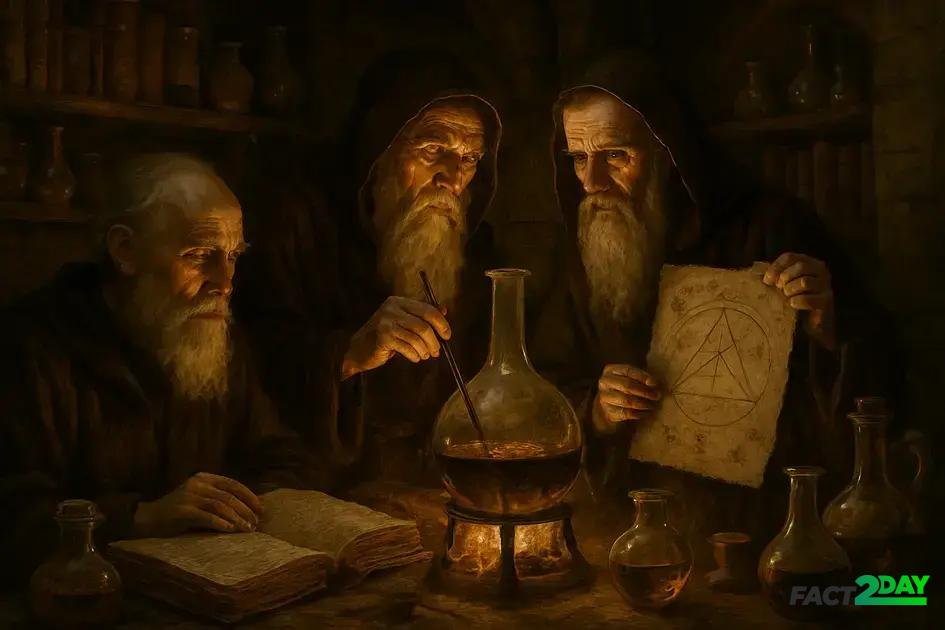
Historical immortality attempts encompass rituals, alchemy, mythical legends, and early scientific experiments aimed at conquering death, reflecting humanity’s enduring quest for eternal life through cultural, spiritual, and proto-scientific means.
Historical Immortality Attempts invite us on a journey through bizarre and fascinating ventures humans undertook in their pursuit of eternal life. Have you ever wondered what lengths were reached to escape time’s grasp? Let’s explore these strange quests together.
ancient rituals and potions for eternal life
Throughout history, many ancient cultures believed in rituals and potions that could grant eternal life or prolong youth. Civilizations like the Egyptians, Chinese, and Mesopotamians crafted elaborate ceremonies and prepared special mixtures from rare herbs, minerals, and animal parts. These concoctions were thought to possess magical or divine powers.
In Ancient Egypt, for example, the process of mummification was not only to preserve the body but also tied to the belief in an afterlife. Potions made from myrrh, frankincense, and other resins were used in rituals to protect and rejuvenate the soul. Similarly, Chinese alchemists sought the “elixir of life,” a mysterious potion that could grant immortality or eternal youth. Ingredients like jade, mercury, and various herbs were combined in attempts to create this legendary substance.
The use of rituals often involved chanting, prayers, and symbolic acts. These were believed to invoke gods or spirits to bless the seeker with everlasting life. Some cultures incorporated these practices into religious ceremonies, underscoring their spiritual importance.
Despite many of these ancient potions being toxic or ineffective, they reveal the deep human desire to overcome death and the lengths to which people would go. These rituals and potions form a fascinating part of our cultural heritage, showing how early humans tried to understand and manipulate the forces of life and death.
alchemy’s pursuit of the philosopher’s stone
Alchemy has long fascinated scholars and adventurers alike with its goal of transforming base metals into gold and discovering the legendary Philosopher’s Stone, a substance believed to grant eternal life and unlimited wealth. Rooted in mystical traditions and early scientific inquiry, alchemy combined spiritual beliefs with experimental practices.
The Philosopher’s Stone symbolized perfection, enlightenment, and immortality. Alchemists believed it could not only transmute metals but also cure illnesses and extend life indefinitely. Figures like Paracelsus and Nicholas Flamel became famous for their alleged success in this quest, though no confirmed discovery was ever made.
Alchemy was also deeply connected with symbolic rituals and secret knowledge. Alchemists used cryptic texts, coded symbols, and allegories to describe their processes, blending religion, philosophy, and early chemistry. They sought to purify both matter and spirit, reflecting the belief that physical transformation mirrored inner spiritual growth.
Over centuries, the pursuit of the Philosopher’s Stone helped lay foundations for modern chemistry. Though the ultimate goal of immortality remained elusive, alchemy’s impact on science and culture continues, inspiring stories, myths, and ongoing fascination with the idea of eternal life.
mythical creatures and legends of immortality
Throughout various cultures, mythical creatures and legends have played a central role in humanity’s fascination with immortality. These stories often feature beings that live forever or possess eternal youth, inspiring wonder and hope.
One well-known example is the phoenix, a bird that cyclically bursts into flames and rises anew from its ashes, symbolizing rebirth and immortality. Ancient Greeks and Egyptians revered the phoenix as a powerful emblem of eternal life and renewal.
Dragons also appear in countless legends, often depicted as powerful and immortal creatures guarding treasures or secrets of eternal life. In Chinese mythology, dragons are benevolent beings associated with wisdom, strength, and the life force, embodying longevity.
Other mythical figures include the Greek gods and goddesses who were immortal by nature, and the Fountain of Youth, a legendary spring believed to restore youth to those who drink from it. Tales of the Holy Grail and elixirs of life further illustrate human desires to conquer aging and death.
These legends reflect deep-rooted human dreams and fears. They connect cultural values with the mystical, showing how stories can shape our understanding of life, death, and the quest for everlasting existence.
early scientific experiments and elixirs
Early scientific experiments aimed at achieving immortality often involved creating elixirs believed to grant eternal life or cure all diseases. These elixirs combined herbs, minerals, and sometimes animal parts, reflecting a mix of emerging science and superstition.
Alchemists and early physicians conducted experiments to develop potions that could rejuvenate the body or halt aging. The quest was driven by the belief that understanding nature’s secrets would unlock immortality. Some remedies included mercury and gold, substances thought to have purifying properties.
Throughout the Renaissance, these experiments became more systematic, blending philosophy with practical investigation. Figures like Paracelsus challenged traditional medicine by promoting chemical remedies and the idea that diseases could be treated through chemical interactions.
Not all attempts were safe or successful. Many elixirs were toxic, causing harm rather than healing. However, these experiments laid important groundwork for modern pharmacology and chemistry. The pursuit of elixirs illustrates humanity’s enduring hope to cheat death through science.
famous immortality seekers in history
History is filled with famous immortality seekers whose relentless pursuit of eternal life has intrigued generations. Alchemists, emperors, and mystics often embarked on bizarre quests motivated by the desire to conquer death.
One well-known figure is Emperor Qin Shi Huang of China, who reportedly consumed mercury pills and searched extensively for elixirs to live forever. Despite his efforts, these remedies likely led to his premature death, highlighting the risks involved.
Nicholas Flamel, a 14th-century French scribe and alchemist, became legendary for allegedly discovering the Philosopher’s Stone, which granted him and his wife immortality. Though historical evidence is lacking, Flamel remains a symbol of the eternal quest.
Countess Elizabeth Báthory, known as the Blood Countess, was rumored to bathe in the blood of virgins to preserve her youth, mixing myth and reality. Similarly, Rasputin, a Russian mystic, was believed to possess mysterious healing powers that might have prolonged his life unnaturally.
These tales illustrate how the search for immortality often blends fact, myth, and legend, reflecting humanity’s deep-rooted fascination with defying death.
the cultural impact of immortality beliefs
The belief in immortality has profoundly shaped cultures around the world. These ideas have influenced art, religion, literature, and societal values for centuries.
Religious beliefs often include concepts of eternal life, heaven, or reincarnation, providing comfort and moral guidance. Ancient Egyptians, for example, built elaborate tombs like pyramids, reflecting their belief in an afterlife where the soul would live forever.
In literature and folklore, immortality themes appear as symbols of human desire and fear. Stories of immortal beings explore questions about the meaning of life, the burden of endless existence, and the price of eternal youth.
Even modern culture reflects this fascination. Movies, books, and video games frequently feature immortality quests, showing how these ancient beliefs continue to captivate us.
The idea of living forever influences how societies think about aging, death, and legacy, ultimately affecting ethical debates about medical advancements, life extension, and the human condition.
modern reflections on historical immortality attempts
Modern science and technology continue to explore themes of immortality once pursued through myth and superstition. Advances in genetics, medicine, and technology inspire new approaches to extending life and improving health.
Research on aging and longevity aims to understand the biological processes that cause decline. Scientists study genes, cells, and molecules to develop treatments that could slow or reverse aging effects. This reflects age-old human desires expressed in historical immortality attempts.
Technologies like cryonics propose preserving the human body after death with hopes of future revival. While controversial and unproven, such ideas echo past quests for eternal life through new scientific lenses.
Philosophically, modern reflections question the desirability and ethics of immortality. Discussions focus on the impact of extended lifespans on society, resources, and personal identity.
Contemporary culture continues to be fascinated by immortality, blending history, technology, and imagination in books, films, and research. These reflections show that the quest for eternal life remains a powerful human theme, evolving with each era.
Reflecting on the eternal quest for immortality
The history of immortality attempts reveals humanity’s deep desire to overcome death and live forever. From ancient rituals and mythical creatures to early science and modern research, this quest shows how ideas evolve but the core dream remains.
While true immortality remains out of reach, exploring these stories helps us understand our hopes, fears, and what it means to be human. Advances in medicine and technology continue to push boundaries, inviting us to consider the ethical and social impacts of longer life.
Ultimately, the quest for eternal life is not just about living forever but finding meaning in the time we have.