Is Himalayan Pink Salt Really Healthier?
Discover if Himalayan pink salt truly offers health benefits over regular salt and how it fits into your daily diet.
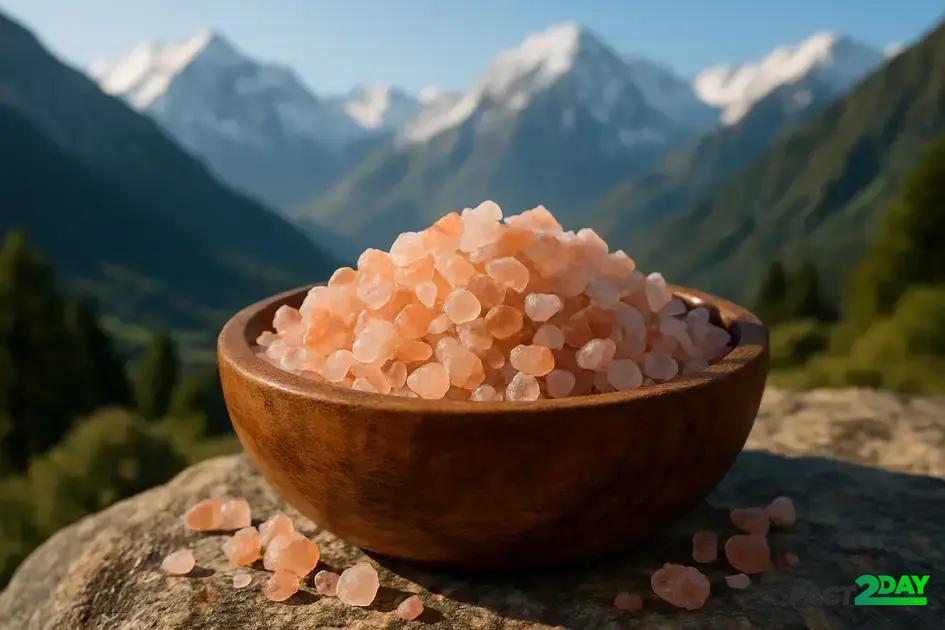
Himalayan pink salt is a mineral-rich rock salt from the Himalayas with similar sodium content to regular salt, offering unique flavor and color but minimal proven health advantages.
Have you ever wondered if Himalayan pink salt is truly healthier than regular salt? Let’s explore its origins, health claims, and what science really says, so you can decide what fits best for you.
what is Himalayan pink salt and where does it come from
Himalayan pink salt is a type of rock salt that is mined from ancient salt deposits found in the Himalayan mountains, mainly in Pakistan. Its distinctive pink color comes from trace minerals like iron oxide, which give it a unique appearance and taste. Unlike regular table salt, which is heavily processed and often bleached, Himalayan pink salt is typically less refined and retains more natural minerals.
This salt has been used for centuries, not only as a seasoning but also in traditional medicine and wellness practices. Its mineral-rich content, which includes calcium, magnesium, potassium, and iron, is often cited as a reason why some people believe it to be a healthier alternative to regular salt.
The mining process involves extracting large salt blocks from the Khewra Salt Mine, one of the oldest and largest salt mines in the world. After mining, the salt is usually hand-crushed and dried. Its natural formation in the mountains means it is free from many pollutants commonly found in sea salts.
How it differs from other salts
Compared to regular table salt, which contains primarily sodium chloride and often added iodine and anti-caking agents, Himalayan pink salt provides a broader spectrum of minerals. Sea salt, on the other hand, is harvested by evaporating seawater and can vary greatly depending on the source.
Because of its origin and mineral content, Himalayan pink salt is often used not only in cooking but also in spa treatments, salt lamps, and decorative purposes, emphasizing its broad appeal beyond just the kitchen.
the mineral content of Himalayan pink salt compared to regular salt
Himalayan pink salt contains a variety of minerals that distinguish it from regular table salt. While both salts primarily consist of sodium chloride, Himalayan pink salt also includes trace amounts of minerals such as iron, potassium, magnesium, and calcium. These minerals give the salt its characteristic pink color and a slightly different flavor profile.
Regular table salt, in contrast, is typically highly refined and stripped of many natural minerals. Additionally, table salt often contains added iodine, an essential nutrient that supports thyroid health, and anti-caking agents to prevent clumping.
Mineral Breakdown
Himalayan pink salt contains over 80 different minerals in trace amounts. Among these, iron oxide is responsible for the pink hue. Minerals like magnesium and potassium play important roles in bodily functions, including heart health and muscle function.
Despite these minerals, their quantities in Himalayan pink salt are generally very small. Therefore, while they contribute to the salt’s unique color and taste, the impact on overall health is likely minimal compared to consuming a well-balanced diet.
Health Implications
Some proponents claim that the additional minerals in Himalayan pink salt provide health benefits such as improved hydration or electrolyte balance. However, scientific evidence supporting these claims is limited. Most health experts agree that the key factor in salt consumption should be sodium content, which is similar in both salts.
common health claims surrounding Himalayan pink salt
Many people believe that Himalayan pink salt offers a variety of health benefits beyond regular table salt. Common claims include improved hydration, better electrolyte balance, detoxification, and enhanced metabolism. These ideas often stem from the salt’s mineral content and its natural origin.
hydration and electrolyte balance
One popular claim is that Himalayan pink salt helps maintain better hydration by providing essential minerals like potassium and magnesium that act as electrolytes. Electrolytes help regulate fluid balance in the body, supporting muscle function and nerve signaling.
detoxification and cleansing
Some proponents say this salt can assist in detoxifying the body by balancing pH levels and supporting kidney function. However, scientific evidence supporting detox claims is limited, and the body already has effective systems like the liver and kidneys for removing toxins.
metabolism and respiratory health
Other claims include boosting metabolism and improving respiratory health through salt therapy. Himalayan salt lamps and inhalers are marketed to relieve allergies and asthma, but current research shows mixed results regarding their benefits.
It’s important to note that many of these health claims lack strong scientific backing, and consuming salt should always be done in moderation. Excessive salt intake, regardless of type, can lead to health problems such as high blood pressure.
scientific research on Himalayan pink salt benefits and risks
Scientific research on Himalayan pink salt is limited but growing. Studies generally focus on comparing its mineral content and health effects with regular table salt. While this salt contains more trace minerals, the amounts are usually too small to cause significant health changes.
benefits studied
Some research suggests that Himalayan pink salt may help maintain electrolyte balance due to its mineral variety. However, claims of curing certain diseases or improving metabolism lack strong scientific support. Most benefits come from reducing overall sodium intake rather than the specific type of salt used.
risks and concerns
Like any salt, excessive consumption of Himalayan pink salt can raise blood pressure and increase the risk of heart disease. Research emphasizes that the sodium content is similar to regular salt, so it should be consumed in moderation.
Further investigations are needed to confirm any unique health advantages or risks associated with Himalayan pink salt. Health experts often recommend focusing on overall diet and lifestyle instead of relying on salt type.
how to incorporate Himalayan pink salt into your cooking
Himalayan pink salt is a versatile ingredient that can be easily added to many dishes for flavor and visual appeal. Its unique color and mineral content make it popular among chefs and home cooks alike.
using it in everyday cooking
You can use Himalayan pink salt just like regular salt. It’s great for seasoning meats, vegetables, and salads. Because of its coarse texture, it works well as a finishing salt, adding a subtle crunch and a burst of flavor.
cooking techniques
This salt can be used in marinades, rubs, and brines to enhance the taste of your food. When cooking, dissolve it in water or sprinkle it over dishes right before serving to retain its distinctive color and texture.
special applications
Himalayan pink salt blocks are also popular for grilling and serving. Cooking on these blocks imparts a mild salty flavor and can create an impressive presentation for seafood, meats, or vegetables.
Be mindful that while it can replace regular salt, you should still monitor your overall sodium intake. Its mineral content doesn’t reduce the need for moderation in salt usage.
potential downsides and contraindications of using Himalayan pink salt
While Himalayan pink salt is often praised for its mineral content and natural qualities, it is important to be aware of potential downsides and contraindications. Like any salt, it contains sodium, which should be consumed in moderation to avoid health risks.
high sodium intake risks
Excessive consumption of Himalayan pink salt can contribute to high blood pressure, heart disease, and stroke, similar to regular salt. Its mineral content does not offset the risks associated with high sodium intake.
potential contamination concerns
Because Himalayan pink salt is mined from ancient deposits, there is a slight risk of contamination with heavy metals or other impurities if not properly processed and tested. Choosing reputable brands can reduce this risk.
contraindications in health conditions
Individuals with kidney disease or those on a low-sodium diet should be cautious when using Himalayan pink salt. Its mineral content may not provide health benefits but can add to overall sodium consumption.
It is always best to consult a healthcare professional before making significant changes to salt intake, especially if managing chronic health conditions.
comparing sodium levels and taste with other salts
Himalayan pink salt and other salts contain similar levels of sodium chloride, which means their impact on health primarily depends on overall consumption rather than the type of salt used. Sodium content in Himalayan pink salt is roughly 98%, comparable to regular table salt, sea salt, and kosher salt.
sodium content comparison
Table salt usually contains added iodine and anti-caking agents, whereas Himalayan pink salt is less processed, retaining trace minerals but with no significant change in sodium levels. Sea salt and kosher salt may have minor variations in sodium due to texture and crystal size, but differences are not substantial.
taste and texture differences
The mineral content in Himalayan pink salt can give it a slightly different flavor—often described as more complex or milder compared to the sharper taste of regular table salt. Its coarse crystals also provide a different mouthfeel and can be used effectively as a finishing salt to enhance dishes.
Because of these subtle taste and texture differences, chefs might prefer Himalayan pink salt for certain recipes, but nutritionally, it offers no major advantage over other salts.
environmental impact of mining Himalayan pink salt
The mining of Himalayan pink salt comes with several environmental impacts that should be considered. Extracted mainly from the Khewra Salt Mine in Pakistan, the process involves removing large blocks of salt from ancient deposits deep within the Himalayan mountains.
mining process and land disruption
Salt mining requires excavation and blasting, which can disrupt natural habitats and cause soil erosion. While the mine has been operational for centuries, modern demand has increased production, potentially escalating its environmental footprint.
energy consumption and emissions
The extraction and transportation of salt consume energy, typically from fossil fuels, contributing to greenhouse gas emissions. Efforts to improve efficiency and use cleaner energy sources can help reduce this impact.
waste and pollution concerns
Mining may generate waste materials and dust, affecting local air and water quality. Proper management and regulations are necessary to minimize pollution and protect surrounding ecosystems.
Sustainable mining practices and careful resource management are essential to preserve the environment while meeting consumer demand for Himalayan pink salt.
how to choose authentic Himalayan pink salt
Choosing authentic Himalayan pink salt requires some attention to detail to ensure you’re getting a quality, genuine product. Since this salt comes from ancient deposits in the Himalayan mountains, it has distinct characteristics that can help you identify it.
look for natural pink color and texture
Authentic Himalayan pink salt typically has a consistent pink or reddish hue due to its mineral content. The crystals may vary in size but should appear natural, without artificial coloring. A gritty or coarse texture is common for this salt.
check the source and brand reputation
Reliable sellers usually source Himalayan pink salt from the Khewra Salt Mine in Pakistan. Look for brands that provide clear information about origin and have positive reviews. Certifications or lab testing results can also be indicators of authenticity.
avoid additives and fillers
Many fake products may mix Himalayan pink salt with other salts or add coloring agents. Check the ingredient list for purity and avoid salts with unnecessary additives. Pure Himalayan pink salt should contain only salt with natural minerals.
Pricing and packaging can also offer clues. Genuine Himalayan pink salt often comes in simple, recyclable packaging with a price reflecting its quality and sourcing.
debunking myths about Himalayan pink salt
There are many myths surrounding Himalayan pink salt that can be misleading. One common myth is that it contains so many minerals that it dramatically boosts health. While it does have trace minerals, the amounts are too small to make significant health differences.
myth: it’s a cure-all salt
Some claims suggest that Himalayan pink salt can cure various ailments like asthma, improve metabolism, or detoxify the body. However, scientific evidence does not support these assertions. These benefits are often exaggerated by marketing.
myth: it’s lower in sodium
Many believe Himalayan pink salt has less sodium than regular salt, making it healthier. In reality, the sodium content is very similar, and excessive intake of any salt can lead to health issues like high blood pressure.
myth: it is always natural and pure
Not all Himalayan pink salt on the market is pure. Some products may be mixed with other salts or artificially colored. It’s important to buy from trusted sources to ensure authenticity and purity.
Understanding these myths helps make informed choices and avoid overestimating the benefits of Himalayan pink salt. Moderation and overall diet quality remain key factors for health.
Wrapping up: is Himalayan pink salt really healthier?
Himalayan pink salt offers a unique color and flavor due to its mineral content, but when it comes to health benefits, the differences compared to regular salt are minimal. Scientific research shows that its mineral amounts are too small to make a significant impact.
It’s important to use Himalayan pink salt, like all salts, in moderation to avoid health risks associated with high sodium intake. Choosing authentic salt and understanding the facts behind common myths can help you make better decisions.
Ultimately, a balanced diet and overall healthy lifestyle are far more important than the specific type of salt you use.