The Invisible Handshake: Unveiling the Complex Economic Systems Hidden Within Your Favorite Games
Discover how hidden economic systems in games craft immersive worlds and influence your gameplay in surprising ways.
Okay, so get this: have you ever stumbled across something super weird in a game that just wasn’t supposed to be there? Well, back in the original Pokémon Red and Blue days, there was a glitch unlike any other — the legendary MissingNo.
If you went fishing on Cinnabar Island, suddenly this messed-up block of pixels would pop up. It looked like static, sounded like a nightmare, and could literally break your game. Your Hall of Fame could get corrupted, graphics could go wild — total chaos, man!
But here’s the wild part: players loved it. Why? Because catching MissingNo would duplicate items in your inventory. Suddenly, you had unlimited Rare Candies or Master Balls! What started as a game-breaking bug turned into a secret cheat code — an unofficial feature.
Seriously, what other game turns a programming error into a fan-favorite legend? Mind. Blown.
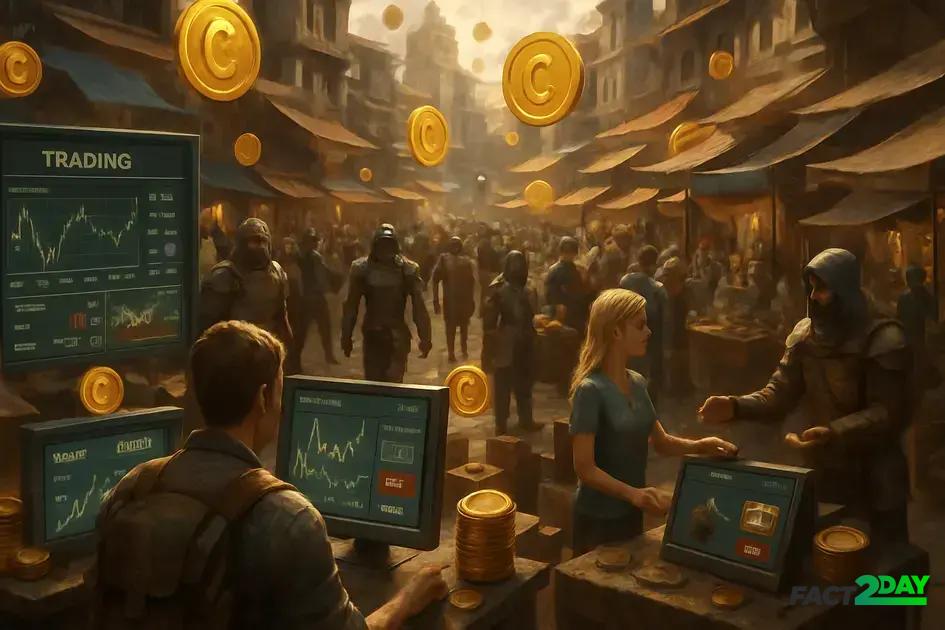
Okay, so get this! The Hidden Economic Systems in Games are not just background noise—they’re the invisible forces shaping your gaming experience. Ever wondered how virtual economies work or why certain game items skyrocket in value? Let’s dive into these secret systems that make your favorite games feel alive and unpredictable.
Understanding in-game currencies and their role
In-game currencies are the backbone of most virtual economies, acting as the primary means for players to exchange value. These currencies come in many forms, such as gold coins, credits, or gems, and they allow players to buy items, trade with others, or unlock new content. They create a sense of achievement and progression as players earn and spend currency within the game world.
Different games use different currency systems; some have a single universal currency, while others feature multiple types with unique purposes. For example, one currency might be earned through gameplay, and another purchased with real money. This dual system helps balance accessibility with monetization.
Understanding the role of in-game currencies helps players strategize their actions, whether it’s saving for rare items, investing in upgrades, or engaging in the player-driven markets. The design of these currencies also impacts how players interact socially and economically within the game.
Developers carefully design these currencies to influence player behavior and maintain balance. If a currency is too easy or too hard to obtain, it can lead to inflation or player frustration, disrupting the game’s economy and overall experience.
The impact of supply and demand on virtual markets
The principles of supply and demand shape virtually every economic system, including those found in games. When an item is scarce but highly desired, its value in the virtual marketplace rises. Conversely, if an item becomes abundant or loses popularity, its price typically falls. This dynamic creates an ever-changing environment where players must constantly adapt their strategies.
How supply affects virtual prices
When items are hard to come by, either because of limited in-game availability or difficult acquisition methods, supply is low, pushing prices higher. Developers may intentionally restrict supply to maintain item value and game balance.
Demand and player behavior
Demand depends on how much players want an item. An update introducing a powerful weapon or rare cosmetic can spike demand suddenly. Players’ needs and trends directly influence pricing and trading activity.
Strong virtual markets react to supply-demand changes much like real-world economies. Prices fluctuate, prompting players to buy low and sell high, or hold onto valuable goods for potential profit. The interactive nature of these markets adds depth to gameplay and encourages a more strategic approach.
Understanding these forces helps players make smarter decisions, whether investing in rare items or deciding when to trade. Developers often analyze supply and demand to tweak game mechanics, ensuring an engaging and balanced economy.
Player-driven economies vs. developer-controlled economies
In virtual worlds, economic control varies significantly between player-driven economies and developer-controlled economies. Player-driven economies rely on the community of players to create, trade, and set prices for goods and services. These systems simulate real-world market behavior and encourage social interaction and strategy.
Player-driven economies
In this model, players generate most of the economic activity through crafting, trading, and resource gathering. The market reflects supply and demand based on player choices. This creates unpredictable and emergent gameplay experiences where savvy traders can profit handsomely.
Player-driven economies often foster rich social dynamics, including alliances, competition, and negotiation, making the game world feel more alive and immersive.
Developer-controlled economies
Conversely, developer-controlled economies give game creators more authority over pricing, availability, and item distribution. This approach helps maintain balance and prevents exploits like inflation or market crashes. Developers can adjust parameters or introduce new items to steer the economy.
While this provides stability, it can limit player influence and reduce the complexity of economic interactions. Games with heavy developer control often focus on pacing and accessibility rather than deep economic simulation.
Many games blend both approaches, using developer controls to set the framework while allowing players freedom to trade and create within it. Understanding these differences helps players navigate and succeed in various game economies.
How inflation and deflation occur in game worlds
Inflation and deflation are common economic concepts that also apply to game worlds, affecting item prices and player wealth. Inflation happens when the amount of in-game currency increases faster than the value of goods and services. As a result, prices go up, and players need more currency to buy the same items.
Causes of inflation in games
Inflation can occur when players earn too many rewards, loot drops are plentiful, or new currency is added without balance. This flood of currency lowers its value and can make rare items less special.
Deflation in virtual economies
Deflation occurs when currency becomes scarce or when item supply grows too fast. This makes prices fall, potentially encouraging players to hold onto currency rather than spend it. While deflation sounds good for buyers, it can slow economic activity and hurt game enjoyment.
Developers use various methods to control inflation and deflation, like currency sinks, limited item drops, or adjusting rewards. Balancing these forces ensures a stable and engaging economy, making gameplay fair and rewarding for all players.
By understanding how inflation and deflation work, players can better plan their trades and investments inside the game, turning economic knowledge into a gameplay advantage.
The psychology behind trading and bartering in games
Trading and bartering in games tap deeply into player psychology, influencing motivation, social interaction, and perceived value. Players often attach emotional significance to items, making trades feel personal and rewarding beyond mere numbers.
The role of trust and reputation
Successful trading requires trust between players. Many games build systems to track reputation or feedback, encouraging fair exchanges and reducing scams. Trust can also grow through repeated interactions, forming communities where trading flourishes.
Perceived value and rarity
Players place higher value on rare or unique items, sometimes beyond their actual in-game utility, due to scarcity and status. This perception drives demand and makes bartering lively and strategic.
Negotiation and social dynamics
Bartering involves negotiation skills where players weigh offers, seek the best deal, or build alliances. These social interactions create immersive experiences, fostering teamwork and rivalry.
Reward systems in games often incentivize trading by offering achievements or progress for engaging with the economy. This encourages players to participate actively in markets and enhances their overall gaming experience.
Understanding these psychological factors helps players become savvy traders and enriches the social fabric of gaming communities, making virtual economies vibrant and engaging.
Real-world economics influencing game design
Real-world economics often inspire the design of virtual economies in games. Developers apply concepts such as supply and demand, inflation, and market regulation to create believable and balanced game worlds.
Economic theories applied in games
Many games use real economic principles to drive player engagement and ensure fairness. For example, dynamic pricing mimics how prices fluctuate in real markets, while currency sinks prevent inflation by removing money from circulation.
Balancing player experience and economy
Developers must carefully balance economic models to avoid frustration or exploitation. If the economy is too easy, items lose value; if too hard, players may give up. This requires constant adjustment based on player behavior and feedback.
Games like MMORPGs often incorporate taxes, fees, or limited resources to simulate scarcity and promote strategic decision-making. This enhances immersion by reflecting real economic challenges.
Impact on monetization and gameplay
Real-world economics also influence in-game monetization strategies, such as microtransactions and loot boxes, which can affect player spending and market stability. Designers must consider ethical implications to maintain trust and longevity.
Understanding these influences helps players navigate complex game economies better and appreciate the depth behind their favorite games.
The rise of virtual marketplaces and auctions
Virtual marketplaces and auctions have become integral parts of modern games, allowing players to buy, sell, and trade items with ease. These platforms mimic real-world e-commerce, creating vibrant economies where supply and demand thrive.
How virtual marketplaces function
Marketplaces provide a centralized hub for item listings with set prices or player bidding. This system offers convenience and transparency, enabling players to compare offers and make informed decisions.
The role of auctions
Auctions add excitement and strategy by letting players bid against each other for rare or valuable items. This competitive aspect can drive prices up and create dynamic market fluctuations.
Security measures like trade locks, escrow systems, and reputation ratings help prevent fraud and build trust among users. These features are crucial for maintaining healthy and active marketplaces.
Impact on player behavior and game economy
Virtual marketplaces encourage player engagement, promoting social interaction and strategic trading. They also enable developers to monitor economic trends and adjust game balance accordingly.
As these systems grow more sophisticated, they often incorporate real-money transactions, linking virtual economies with the real world and raising new challenges and opportunities.
Famous economic exploits and market crashes in games
Famous economic exploits and market crashes in games reveal how virtual economies can mirror real-life financial systems. Players and sometimes developers have witnessed dramatic shifts that reshaped entire game worlds.
Notable economic exploits
Certain bugs or loopholes have allowed players to generate vast amounts of in-game currency quickly. These exploits often lead to hyperinflation, devaluing currencies and disrupting gameplay balance. For instance, in popular MMORPGs, duplication glitches let players copy rare items, flooding the market and crashing prices.
Memorable market crashes
Some games have seen rapid collapses of their virtual markets due to sudden overproduction or scams, causing player panic and economic chaos. These crashes highlight the delicate balance needed in virtual economies and the importance of developer intervention to restore stability.
Developers respond by issuing patches, adjusting currency sinks, or resetting economies to recover from these events. These instances serve as cautionary tales about the complexity and fragility of in-game markets.
Studying these events helps players understand risk and the unpredictable nature of game economies, encouraging smarter trading and participation.
Balancing economic systems for fair gameplay
Balancing economic systems in games is crucial to ensure fair gameplay and a positive player experience. Developers strive to create economies where currencies hold value, resources are fairly distributed, and players of all skill levels can participate.
Maintaining currency value
Game designers implement currency sinks like taxes, repair costs, or consumables to remove excess money from the economy. This prevents inflation and keeps prices stable over time.
Controlling resource flow
Adjusting how frequently resources drop or crafting materials appear helps balance supply. Too many resources can flood the market and make items worthless, while too few can frustrate players and stall progression.
Fair trading systems
Setting limits on trades, using transaction fees, or monitoring player behavior can reduce market manipulation and scams. This promotes trust and healthy economic interactions across the community.
Ongoing monitoring and updates are vital, as player actions can affect the economy in unexpected ways. Developers often adjust systems in response to data and player feedback to maintain balance.
A well-balanced economy encourages engagement, competition, and cooperation, making the game more enjoyable and rewarding for everyone involved.
Future trends in gaming economies
Gaming economies are evolving rapidly with new technologies and player behaviors shaping the future. Trends like blockchain integration, play-to-earn models, and deeper player customization are transforming how virtual economies operate.
Blockchain and NFTs in gaming
Blockchain technology allows for secure ownership of digital assets through non-fungible tokens (NFTs). This enables players to truly own and trade unique items outside the game, creating new economic opportunities and challenges.
Play-to-earn and player rewards
Many games now offer play-to-earn systems, where players can earn valuable digital goods or currency by participating in the game. This model encourages sustained engagement and can blur the lines between gaming and work.
More immersive and complex economies
Future games are likely to feature increasingly complex economies with realistic supply chains, player-run businesses, and dynamic market conditions. This adds depth and realism, attracting players who enjoy economic strategy.
Cross-platform and cross-game economies may also grow, allowing players to transfer assets between different games or devices, enhancing value and connectivity.
Overall, gaming economies will continue to innovate, offering players exciting and real-world connected experiences that redefine virtual wealth and trade.
Understanding the power of hidden economic systems in games
Hidden economic systems add depth and excitement to the games we love by creating realistic and dynamic virtual worlds. These systems influence player choices, trading, and game balance in ways that often go unnoticed.
By learning about in-game currencies, supply and demand, player-driven markets, and future trends, players can engage more deeply and strategically with their favorite games. Developers also benefit from crafting balanced economies that keep players invested and communities thriving.
As gaming economies continue to evolve with new technology and player innovations, understanding these systems will become even more important. Embrace the invisible handshake behind game economies and unlock a richer gaming experience today.