The Kitchen Pharmacy: Foods and Plants with the Most Bizarre Healing Powers in History
Healing Foods have bizarre and powerful effects that history barely unveils. Discover these amazing natural remedies and their surprising benefits!
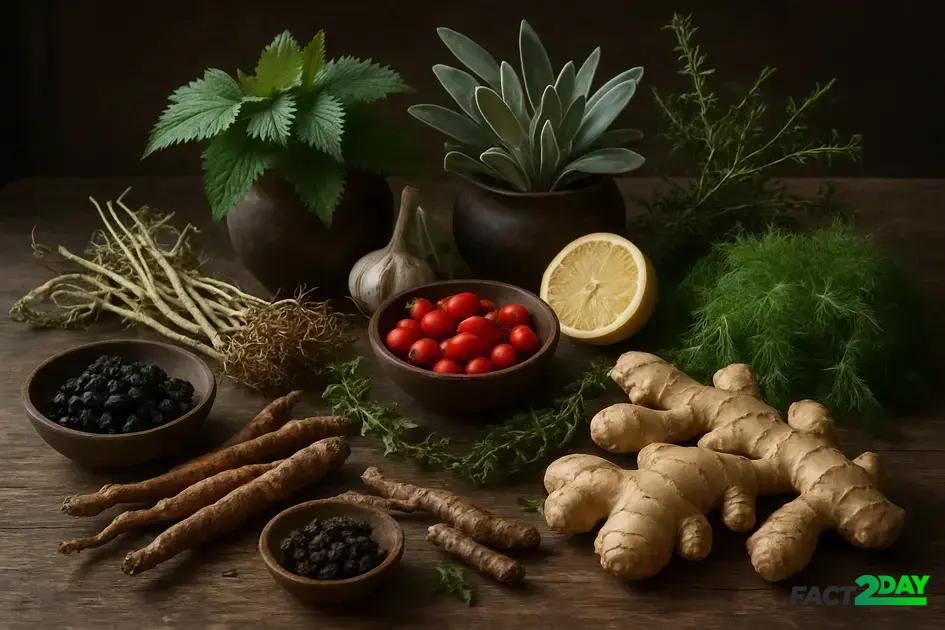
Okay, so get this: ever stumbled across something super weird in a game that just… wasn’t supposed to be there? Well, back in the original Pokémon Red and Blue days, there was a glitch. Not just any glitch, but a legendary one: MissingNo.
You’d fish on Cinnabar Island, and suddenly, this messed-up block of pixels would pop up. It looked like static, sounded like a nightmare, and could literally break your game. Your Hall of Fame would corrupt, your graphics would go nuts – total chaos, man!
But here’s the wild part: players loved it. Why? Because if you caught this digital monstrosity, it’d duplicate items in your inventory. Suddenly, you had unlimited Rare Candies or Master Balls! It was a game-breaking bug that became a secret cheat code, an unofficial feature. Seriously, what other game turns a programming error into a fan-favorite legend? Mind. Blown.
Okay, so get this! The idea of Healing Foods isn’t just a modern health craze — it’s a wild ride through history full of bizarre plants and edible remedies that people swore could cure anything. Curious about what odd foods once acted as secret medicines? Let’s dive in!
The historical roots of healing foods
Healing foods have been an essential part of human history, with their roots traced back thousands of years across different cultures. Ancient civilizations, including the Egyptians, Chinese, and Greeks, used various plants and foods not only for nourishment but also for their medicinal properties. For example, garlic was prized in Egypt for its antibacterial effects, while Traditional Chinese Medicine extensively used herbs like ginseng to promote vitality.
The historical roots of healing foods lie in the observation of nature’s remedies. People learned by trial and error which foods could soothe ailments, reduce symptoms, or restore health. These natural healers often came from the local environment—plants, roots, seeds, and fermented foods were common cures. Records such as the Ebers Papyrus and the writings of Hippocrates document these early uses, showing an intersection of diet and medicine.
Knowledge passed down through generations in the form of herbal guides and remedies helped shape many traditions. Such lore sometimes combined with spiritual beliefs, where healing foods were thought to possess magical properties. Despite the ancient origins, some of these remedies still influence modern nutrition and wellness approaches.
Interestingly, these historic healing foods highlight the importance of a holistic approach to health—what we eat can directly affect our body’s ability to fight illness, boost immune function, and support recovery. Understanding these roots helps us appreciate how traditional wisdom aligns with today’s scientific insights into the therapeutic potential of foods.
Unusual plants with surprising medicinal uses
Many unusual plants have been used for centuries due to their remarkable medicinal properties. For example, the devil’s claw plant, native to southern Africa, is known for its anti-inflammatory effects and is commonly used to relieve arthritis pain. Another fascinating example is the gotu kola, an herb from Asia, believed to boost brain function and improve circulation.
Some plants might seem strange but carry powerful healing compounds. The celandine flower, although toxic in large amounts, has been traditionally used to treat skin conditions and digestive issues in small doses. Similarly, the yarrow plant has a long history of stopping bleeding and healing wounds, thanks to its astringent qualities.
Hidden treasures in nature’s pharmacy
These plants often contain unique phytochemicals that modern science is beginning to understand. For instance, the milk thistle supports liver health through its active compound silymarin. Likewise, the ashwagandha root is prized in Ayurvedic medicine for reducing stress and boosting immunity.
Exploring these unusual plants provides insight into alternative healing methods that complement conventional treatments. Their diverse uses show how nature’s variety can offer solutions for many health issues, sometimes in surprising ways.
Foods that were believed to cure madness
Throughout history, several foods were believed to cure madness or mental disturbances, reflecting early attempts to understand and treat mental health issues through diet. Animal brains, for example, were once consumed in the belief that eating a specific organ could heal the mind. In medieval Europe, rosemary was considered a herb to strengthen memory and calm anxiety.
Honey was also used extensively for its soothing properties, thought to ease the mind and bring clarity. Certain types of fish, rich in omega-3 fatty acids, were considered brain boosters long before modern science confirmed their benefits.
Herbs and foods with calming effects
Other foods like chamomile and lavender were brewed into teas to relieve agitation and promote relaxation. The use of these natural remedies shows a connection between food, mood, and mental health that early cultures acknowledged through tradition and observation.
These beliefs and practices reveal a fascinating mix of folk wisdom and evolving scientific understanding. While many of these foods do have calming or neuroprotective effects, historical uses often blended fact with myth, demonstrating humanity’s long-standing struggle to manage mental health.
Bizarre remedies from royal kitchens
Royal kitchens have long been known for preparing not just sumptuous meals but also bizarre remedies believed to cure ailments and boost health. Monarchs often had personal chefs and apothecaries who mixed medicinal ingredients into food, combining exotic spices, herbs, and rare plants. For instance, rose petals were used in syrups to calm nerves and enhance complexion, while saffron was prized for its supposed mood-lifting and healing abilities.
One unusual remedy involved bird’s nest soup, treasured in some royal courts for its purported ability to increase stamina and aid digestion. Other strange concoctions included infusions of snake wine or herbs steeped in alcohol, believed to transfer vitality from the creature to the drinker.
Uncommon ingredients in royal medicine
Royal chefs occasionally used rare fungi, like lingzhi mushrooms in Chinese dynasties, or prepared dishes with spices such as turmeric and clove for their antiseptic and anti-inflammatory properties. These foods were not only for nourishment but served as therapeutic tools, blending alchemy, tradition, and culinary art.
The rich and powerful’s fascination with food as medicine shows how culinary expertise and healthcare intermingled in history. These bizarre remedies from royal kitchens remind us that diet and health have always been closely linked, even if some treatments seemed strange by today’s standards.
Edible plants used to ward off plague
During times of plague and widespread illness, many cultures relied on edible plants believed to have protective properties against disease. Garlic, for example, was widely used in Europe during the Black Death. Its strong smell and antibacterial compounds made it thought to repel harmful spirits and harmful microbes.
Other plants like basil and mint were carried or consumed to purify the air and boost immunity. This practice was rooted in the miasma theory, which claimed that diseases spread through bad air. Burning herbs or making infusions from them was common to help cleanse surroundings.
Traditional uses of protective plants
Onions were also popular for their supposed ability to absorb toxins and protect against infection. Elderberry, rich in antioxidants and vitamins, was used to fight fevers and colds, making it a staple in plague-era remedies.
These edible plants show how natural remedies played an important role in disease prevention historically, blending folklore, observation, and available knowledge to support health during dangerous outbreaks.
Healing foods in ancient religious rituals
Healing foods often played a vital role in ancient religious rituals, symbolizing purity, health, and spiritual cleansing. Many cultures used specific foods during ceremonies to invoke divine healing or protection. For instance, in ancient Egypt, figs and pomegranates were offered to gods as symbols of life and renewal.
In Hindu rituals, turmeric and holy basil (tulsi) are considered sacred and used for their purifying properties. These foods not only nourished the body but were believed to connect the physical and spiritual realms, promoting holistic well-being.
Foods as spiritual medicine
In Native American traditions, maize (corn) was central to healing dances and prayers, seen as the sustainer of life. Similarly, the use of honey in biblical times symbolized sweetness and divine favor, often included in offerings and healing rites.
Such practices underscore the deep connection between diet, health, and spirituality. Healing foods in religious rituals were more than mere nutrition; they represented a bridge between humans and higher powers, believed to cleanse, heal, and bring harmony.
From folklore to science: validating healing claims
Many healing foods were once considered mere folklore, passed down through generations without scientific backing. However, modern science is increasingly validating these traditional claims by discovering the active compounds and mechanisms behind them. For example, turmeric, long used in Ayurvedic medicine, contains curcumin, a compound with proven anti-inflammatory and antioxidant effects.
Similarly, garlic, once famous for warding off evil spirits, has been shown to contain allicin, which supports immune health and combats infections. These findings bridge the gap between ancient wisdom and contemporary evidence.
Scientific research supporting traditional healing foods
Research also supports the health benefits of green tea, rich in catechins that promote heart health, and elderberry, which can reduce the duration of colds. While not all folklore claims hold up under scientific scrutiny, many reveal valuable medicinal properties that modern medicine can utilize.
This blend of folklore and science highlights the importance of respecting traditional knowledge while applying rigorous testing. It encourages a balanced approach to healing that combines the best of both worlds for optimal health.
The impact of bizarre healing foods on modern medicine
Bizarre healing foods from history have greatly influenced modern medicine by inspiring the discovery of active compounds used in pharmaceutical treatments. For example, the use of willow bark—a traditional remedy—led to the development of aspirin, a widely used pain reliever and anti-inflammatory drug. This shows how ancient practices contribute to scientific breakthroughs today.
Many modern medicines still derive ingredients from plants once regarded as strange or mystical remedies. The foxglove plant, historically used for heart issues despite its toxicity, provided digitalis, a critical medication for heart failure. This reflects the importance of thorough research to separate valuable properties from harmful effects.
Bridging traditional wisdom with contemporary medicine
Research on bizarre healing foods has expanded the scope of natural product pharmacology, motivating studies on compounds with antimicrobial, anti-cancer, and immune-boosting effects. Their impact reaches beyond isolated drugs, influencing dietary recommendations and integrative treatments.
Understanding and harnessing these foods’ potentials helps modern medicine develop safer, effective, and more holistic therapies. Recognizing the value in unusual healing foods underscores the ongoing relationship between nature and health science.
Foods with healing powers rejected by science
Throughout history, some foods with reputed healing powers have faced skepticism or outright rejection by modern science. Despite their widespread use in folk medicine, these foods often lack sufficient clinical evidence to confirm their benefits. For example, bloodroot, used by some Native American groups for skin ailments, has been questioned due to potential toxicity and inconsistent results.
Another controversial food is coralberry, believed by some to treat various infections but lacking rigorous scientific validation. These discrepancies highlight the need for careful research, as some traditional remedies may pose risks or have effects that science cannot yet explain.
Balancing tradition and scientific scrutiny
While science rejects some healing food claims, it also encourages ongoing study. Foods like colloidal silver or dandelion root are subjects of continued investigation to understand their true health impacts. Skepticism allows for better safety standards and prevents the spread of misinformation.
Understanding which foods truly offer healing benefits and which may be folklore without basis helps consumers make informed choices. It also emphasizes the importance of integrating tradition with evidence for optimal health.
The role of healing foods in traditional cultures
Healing foods have held a central role in traditional cultures around the world, often tied closely to customs, beliefs, and health practices. These cultures use specific foods not just for nutrition but as essential elements to maintain balance and harmony within the body and spirit. In many indigenous communities, plants like turmeric and moringa are revered for their healing powers and are integral to daily rituals.
Traditional Chinese Medicine, for example, classifies healing foods based on their energy and effects on the body’s organs, integrating diet with holistic treatments. Similarly, Native American tribes use roots, berries, and herbs both as food and medicine to support wellness and resilience.
Customs and cultural practices involving healing foods
Many cultures have food-based ceremonies, where eating certain plants or preparing special dishes serves to cure illnesses or promote spiritual cleansing. These practices emphasize the deep relationship between nature, health, and community.
Understanding these roles helps appreciate the wisdom in traditional diets and encourages respect for cultural diversity in approaches to health and healing. These practices often inform modern nutritional therapies and emphasize preventative care.
Tasting history: recipes that double as medicine
Throughout history, certain recipes were crafted not only to delight the palate but also to serve as medicine. These dishes combined healing ingredients into meals that nourished both body and soul. For instance, soups made with garlic and ginger have been traditional remedies for colds and flu in many cultures.
Honey and lemon tea is another classic recipe valued for its soothing effect on sore throats and respiratory health. The natural antibacterial properties of honey complement the vitamin C boost from lemon, creating a powerful healing beverage.
Meals with medicinal benefits
Fermented foods like kimchi and yogurt, packed with probiotics, have been consumed for centuries to support digestion and immune function. Many spice blends, such as those containing turmeric, cinnamon, and cloves, were used in cooking to reduce inflammation and fight infections.
These recipes demonstrate how traditional cooking seamlessly integrated nutrition and healing. They encourage us to see food as more than sustenance but as a vital part of health and wellness traditions passed down through generations.
Hidden dangers of bizarre healing foods
While many bizarre healing foods offer potential benefits, some carry hidden dangers that can harm health if consumed improperly. Certain plants contain toxic compounds that may cause side effects or interact dangerously with medications. For example, the aconite plant was used in traditional medicine but contains potent neurotoxins that can be fatal in high doses.
Other foods like pokeweed and castor beans also pose risks due to their poisonous nature, despite historic use for healing purposes. Consuming these without proper knowledge or preparation may lead to poisoning or long-term health issues.
Risks associated with unregulated healing foods
Some bizarre foods may cause allergic reactions or digestive discomfort in sensitive individuals. Furthermore, self-medicating with unproven remedies can delay proper medical treatment, worsening conditions.
It is essential to approach healing foods with caution, ensuring thorough research and guidance from qualified practitioners to avoid unintended harm while exploring their benefits.
How to safely incorporate healing foods in your diet
Incorporating healing foods into your diet can boost your health, but it’s important to do so safely to avoid adverse effects. Start by researching each food’s benefits and potential risks. Not all healing foods suit every individual, so consider any allergies or medical conditions you may have.
Introduce new foods gradually to monitor how your body reacts. For example, herbs like ginger or turmeric can be added in small amounts to meals or teas. This helps prevent digestive discomfort or allergic reactions.
Consult with healthcare professionals
Before making major changes, discuss your plans with a doctor or nutritionist, especially if you take medications. Some healing foods can interact with drugs or affect conditions like blood pressure and blood sugar.
Choosing organic and high-quality sources ensures you avoid contaminants. Also, proper preparation methods, such as cooking or soaking, can reduce toxins and improve nutrient absorption.
Remember, healing foods are part of a balanced diet and lifestyle. They work best alongside regular exercise, adequate hydration, and sleep, contributing to overall well-being.
The future of healing foods research
Research on healing foods is rapidly advancing, fueled by new technologies and a growing interest in natural health solutions. Scientists are using genomic and metabolomic tools to better understand how bioactive compounds in foods affect human health at the molecular level.
Future studies aim to identify specific food components that can prevent or treat chronic diseases, such as diabetes, cancer, and heart conditions. This precision nutrition approach tailors dietary recommendations to individual genetic and metabolic profiles.
Cutting-edge research trends
Innovations like artificial intelligence and machine learning are accelerating the discovery of novel healing compounds and predicting their effects. Clinical trials are becoming more sophisticated, combining traditional knowledge with modern science to validate the therapeutic potential of foods.
The future of healing foods research promises to integrate diet, lifestyle, and medicine more closely, leading to personalized nutrition plans that enhance wellbeing and longevity.
The enduring power of healing foods
Healing foods have a rich history filled with fascinating stories and surprising benefits. From ancient rituals to modern science, these foods continue to shape how we understand health and nutrition.
While some healing claims need more research, many foods remain trusted for their natural healing powers. By respecting traditional knowledge and embracing scientific advances, we can safely incorporate these foods into our diets for better wellbeing.
As research evolves, the future holds exciting possibilities for personalized nutrition and natural therapies. Exploring healing foods opens a path to healthier living rooted in both culture and science.