Your Gut, Your Mood: How the Microbiome Influences Mental Well-being
Explore how the gut microbiome mood connection shapes mental well-being and discover practical ways to nurture your emotional health starting today.
Frisson is the scientific term for the goosebumps triggered by music when the brain activates reward and fear centers simultaneously, creating a thrilling, pleasurable chill.
Have you ever noticed how your mood can shift unexpectedly? The Gut Microbiome Mood connection might hold surprising answers about your mental well-being and how your body’s inner ecosystem plays a role. Let’s explore this fascinating link that might just change how you see your emotions and health.
What is the gut microbiome and why it matters
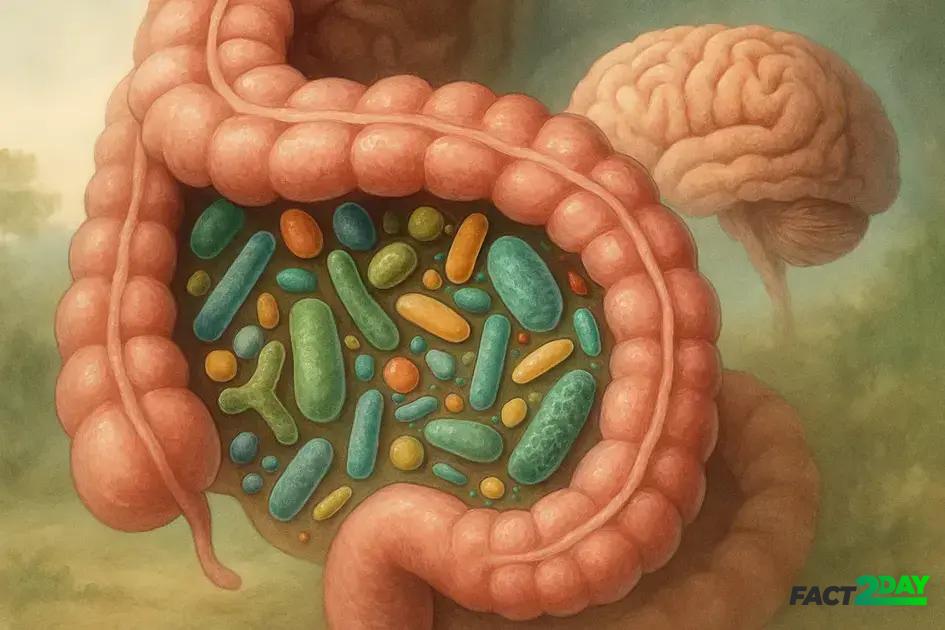
The gut microbiome is a complex community of trillions of microbes, including bacteria, viruses, and fungi, living in our digestive system. These tiny organisms play a crucial role in digesting food, producing essential vitamins, and protecting against harmful pathogens.
Beyond digestion, the gut microbiome impacts many aspects of our health, including immune function and even mental well-being. Scientists have discovered that the balance of these microbes can influence how we feel, our energy levels, and our mood.
Why the Gut Microbiome Matters
A healthy gut microbiome helps maintain a strong barrier that keeps harmful substances out of your bloodstream. When this balance is disrupted, it can lead to digestive issues, weakened immunity, and has been linked to mental health conditions such as anxiety and depression.
Maintaining a diverse and balanced microbiome is key. Factors like diet, stress, medications, and environment can all affect its composition. Embracing healthy habits that support gut bacteria can promote overall well-being and a more stable mood.
The link between gut health and mood explained
The connection between gut health and mood is rooted in the gut-brain axis, a communication network linking the digestive system and the brain. This axis allows signals from gut microbes to influence brain chemistry and emotional states.
Gut bacteria produce neurotransmitters like serotonin and dopamine, often called ‘feel-good’ chemicals. About 90% of the body’s serotonin is made in the gut, highlighting the powerful role gut microbes play in regulating mood and anxiety.
How Gut Microbes Influence Mood
The balance of gut bacteria affects inflammation levels in the body. Excessive inflammation can harm brain functions associated with mood regulation, leading to issues such as depression and stress. A healthy gut can reduce inflammation and promote mental calmness.
Diet, stress, and lifestyle factors can change the gut microbiome’s diversity. When harmful bacteria take over, this disruption may negatively impact mood, causing feelings of tiredness, irritability, or sadness. Supporting healthy gut flora can lead to more stable and positive emotions.
Understanding this link offers new paths for managing mood through nutrition and gut care, making mental well-being a more holistic approach.
How the microbiome influences brain function
The gut microbiome influences brain function through the gut-brain axis, a network of nerves and chemical messengers connecting the gut and the brain. This connection allows communication that affects mood, cognition, and even behavior.
Gut bacteria produce neurotransmitters like serotonin, gamma-aminobutyric acid (GABA), and dopamine, which are vital for regulating emotions and mental clarity. These chemicals travel through the bloodstream and nervous system, influencing brain activity directly.
Microbial Impact on Brain Development and Function
Research shows that the microbiome can affect memory, learning, and stress responses. A balanced microbiome supports optimal brain function by reducing inflammation and promoting the production of beneficial compounds.
Disruptions in the gut flora, often caused by poor diet, antibiotics, or stress, may lead to imbalance. This imbalance is linked to cognitive issues and mood disorders, highlighting the importance of nurturing gut health for brain performance.
Supporting your microbiome with fiber-rich foods, probiotics, and a healthy lifestyle creates a foundation for better brain health and emotional stability.
Common challenges in maintaining a balanced gut microbiome
Maintaining a balanced gut microbiome can be difficult due to several common challenges. One major factor is diet. Foods high in sugar and processed fats can disrupt the delicate balance of gut bacteria, favoring harmful species over beneficial ones.
Antibiotics use is another challenge. While important for fighting infections, antibiotics often kill beneficial bacteria along with harmful ones, leading to imbalance and potential digestive issues.
Effects of Stress and Lifestyle
Chronic stress negatively impacts gut health by altering gut motility and increasing inflammation. Poor sleep and lack of physical activity can also weaken the microbiome’s resilience.
Environmental factors, including exposure to toxins and lack of diversity in the microbiome due to overly sterile living conditions, may reduce beneficial bacteria variety, making it harder to maintain balance.
Lastly, aging changes gut microbiota composition, which may reduce its diversity and functionality, increasing the risk for health problems.
Addressing these challenges involves mindful diet choices, cautious use of antibiotics, stress management, and healthy lifestyle habits to support a thriving gut microbiome.
Impact of diet on gut microbes and emotional health
Diet directly impacts the health and diversity of the gut microbiome, which in turn influences emotional well-being. Consuming a diet rich in fiber feeds beneficial bacteria, helping them thrive and produce compounds that support brain function and mood regulation.
Foods high in sugars and processed fats can promote harmful bacteria growth, leading to inflammation and negative effects on mood. In contrast, fruits, vegetables, whole grains, and fermented foods nourish good bacteria, which produce neurotransmitters like serotonin.
How Diet Shapes Emotional Health
For example, fermented foods like yogurt and kimchi contain probiotics that help balance gut flora and may reduce symptoms of anxiety and depression. Prebiotics found in foods like garlic and onions act as food for these good bacteria, enhancing their positive impact.
Maintaining a balanced diet can foster a diverse microbiome that helps regulate stress hormones and reduces inflammation, supporting a stable and positive mood.
Making mindful food choices is a powerful way to promote mental health through gut microbiome care, influencing both body and mind.
Probiotic and prebiotic strategies for mood support
Probiotics are live beneficial bacteria that can be consumed through supplements or fermented foods like yogurt, kefir, and sauerkraut. These microbes help restore gut balance, improve digestion, and influence mood by producing neurotransmitters linked to happiness and calmness.
Prebiotics are types of dietary fiber that feed these beneficial bacteria. Foods rich in prebiotics include garlic, onions, leeks, asparagus, and bananas. Consuming prebiotics helps support the growth of good bacteria in the gut, enhancing their positive effects on the brain.
How Probiotics and Prebiotics Support Mood
Research shows that combining probiotics and prebiotics, a practice known as synbiotics, can be particularly effective. This combination boosts the numbers and diversity of gut microbes, which in turn produce chemicals like serotonin and gamma-aminobutyric acid (GABA), helping regulate stress and anxiety.
Including probiotics and prebiotics in your diet encourages a healthy gut microbiome, which can lead to improved emotional health and mental resilience.
Simple strategies like adding fermented foods or a prebiotic-rich vegetable to meals can be easy ways to support your mood naturally through gut health.
Stress and its effect on the gut-brain axis
Stress has a powerful impact on the gut-brain axis, the communication system linking the brain and digestive tract. When you experience stress, your body releases hormones like cortisol that can affect gut function and its microbial balance.
Stress can slow digestion, increase gut permeability (often called “leaky gut”), and disrupt the balance of good and bad bacteria. This imbalance may lead to digestive discomfort, inflammation, and mood disturbances.
How Stress Impacts Gut Microbiome
The gut bacteria are sensitive to changes caused by stress. Chronic stress reduces beneficial bacteria populations and promotes harmful species. This microbial shift can worsen stress symptoms, creating a cycle that affects both gut and brain health.
Stress also influences the immune system through the gut, potentially increasing inflammation and affecting mental well-being. Managing stress through mindfulness, exercise, and sleep can help protect the gut microbiome and support emotional health.
Understanding this connection highlights the importance of stress management for maintaining a healthy gut and stable mood.
Recognizing signs of microbiome imbalance in mood disorders
Microbiome imbalance can contribute to mood disorders such as anxiety and depression. Recognizing the signs of this imbalance helps in addressing mental health more effectively.
Common signs include digestive issues like bloating, constipation, or diarrhea, which may accompany changes in mood such as increased irritability, sadness, or anxiety.
Symptoms Linked to Microbiome Imbalance
Fatigue and difficulty concentrating, often called “brain fog,” can occur when gut bacteria are disturbed. Frequent mood swings and sleep problems might also indicate poor gut health.
Other signs include sugar cravings, weakened immunity, and increased inflammation, which have been associated with unbalanced microbiota and mental health challenges.
Being aware of these symptoms and consulting healthcare professionals can lead to interventions like dietary changes, probiotics, or stress management, which support both gut and mental health.
Early recognition of microbiome imbalance is key to preventing worsening mood disorders and enhancing overall well-being.
Lifestyle changes to enhance gut microbiome health
Improving gut microbiome health involves simple lifestyle changes that can have a big impact on your overall well-being. Eating a varied diet rich in fruits, vegetables, and whole grains provides fiber that feeds beneficial bacteria.
Regular physical activity also supports a healthy microbiome by reducing inflammation and promoting gut motility, which helps maintain balance in gut bacteria.
Other Key Lifestyle Factors
Limiting processed foods, sugars, and artificial additives reduces harmful bacteria growth. Managing stress through mindfulness, meditation, or exercise can prevent negative effects of stress hormones on your gut.
Getting enough quality sleep is important for the gut’s repair and regeneration processes. Avoiding unnecessary antibiotics preserves beneficial microbiota diversity, helping maintain a resilient gut ecosystem.
Hydration plays a role too, as water supports digestion and helps flush out toxins that could disturb gut balance.
Incorporating these lifestyle habits consistently can create a thriving gut environment, which supports better mood, digestion, and immune function.
Role of fermented foods in supporting mental wellness
Fermented foods are rich in live probiotics that help replenish and support a healthy gut microbiome. This, in turn, plays a vital role in mental wellness by influencing the gut-brain axis.
Common fermented foods like yogurt, kimchi, sauerkraut, and kefir contain beneficial bacteria that improve digestion and encourage the production of mood-regulating neurotransmitters such as serotonin.
How Fermented Foods Support Mental Health
Regular consumption of these foods can enhance gut diversity, reduce inflammation, and improve symptoms of anxiety and depression. They help strengthen the gut barrier, preventing harmful substances from affecting the brain.
Adding fermented foods to your diet is a natural way to boost both your digestive and emotional health. They complement other gut-supporting habits, creating a balanced ecosystem in your digestive system.
Incorporating fermented foods into meals is simple and effective, offering a tasty path towards better mood and mental resilience.
Managing gut health during emotional stress
Emotional stress can disrupt gut health by altering the balance of beneficial and harmful bacteria within the digestive system. Stress hormones like cortisol affect gut motility and increase inflammation, which may lead to symptoms such as bloating, cramps, or changes in bowel habits.
Strategies to manage gut health during stress include mindful eating, incorporating probiotics and prebiotics to support beneficial bacteria, and staying hydrated to maintain digestive function.
Stress Reduction Techniques for a Healthy Gut
Practices such as deep breathing, meditation, and regular physical activity can lower stress levels, indirectly supporting gut health. Prioritizing quality sleep also helps the digestive system repair and function optimally.
Limiting caffeine and alcohol consumption can reduce irritation in the gut, while maintaining a balanced diet rich in fiber nourishes the microbiome.
Taking active steps to manage emotional stress benefits both mental and digestive health, promoting overall well-being.
Scientific breakthroughs in microbiome and mood research
Recent scientific breakthroughs have shed light on the significant role the gut microbiome plays in mood regulation and mental health. Studies now demonstrate that certain gut bacteria produce neurotransmitters and metabolites that can influence brain function and emotional balance.
Microbiome research has identified specific strains of bacteria linked to reduced anxiety and depression symptoms, opening new possibilities for targeted probiotic therapies.
Advances in Understanding the Gut-Brain Connection
Innovative techniques like metagenomic sequencing allow scientists to analyze the entire gut microbial ecosystem, understanding how its diversity impacts neural pathways and mood disorders.
Clinical trials are exploring how modifying the microbiome through diet, probiotics, or fecal microbiota transplants can improve mental health outcomes.
These breakthroughs highlight the microbiome as a promising frontier in developing natural and personalized approaches to mood support and mental wellness.
Importance of mindful reflection on gut and mental health
Mindful reflection on gut and mental health encourages awareness of the link between what we eat, how our gut feels, and our emotional state. Paying attention to these connections helps identify patterns that affect well-being.
Journaling about diet, digestion, and mood can reveal triggers for discomfort or mood swings. This practice supports informed choices and fosters a deeper understanding of the gut-brain relationship.
Benefits of Mindful Reflection
Being present and attentive to bodily sensations helps manage stress, which positively impacts gut health. Mindfulness can reduce emotional eating and improve the quality of food choices that nurture the microbiome.
Reflecting on changes in mood and gut symptoms encourages proactive actions like adjusting diet, seeking support, or adopting calming techniques, promoting overall health.
Incorporating mindful reflection into daily routines creates a feedback loop that supports continuous improvement in both digestive and mental well-being.
Long-term benefits of nurturing your gut microbiome
Nurturing your gut microbiome over the long term offers numerous health benefits that extend beyond digestion. A balanced microbiome supports a strong immune system, reducing the risk of infections and chronic diseases.
Long-term effects include improved mental health, as a healthy gut helps regulate mood and reduce anxiety through the gut-brain axis.
Benefits Beyond the Gut
Maintaining diverse gut bacteria can help regulate weight, lower inflammation, and improve skin health. A thriving microbiome also supports nutrient absorption and overall energy levels, contributing to a better quality of life.
Consistent care through a balanced diet, regular exercise, stress management, and avoiding unnecessary antibiotics helps preserve this vital ecosystem.
Investing in your gut health is an investment in long-term physical and emotional well-being, promoting resilience against various health challenges.
Your gut microbiome matters for mental health
Taking care of your gut microbiome is more than just supporting digestion; it plays a key role in how you feel emotionally and mentally. Simple lifestyle choices like healthy eating, managing stress, and staying active can nurture this important ecosystem.
Understanding the connection between your gut and brain opens new ways to improve mood and overall well-being naturally. By giving attention to your gut health, you invest in a healthier, happier future.
Small, consistent steps toward a balanced microbiome can make a big difference in how you think, feel, and live.