Your Inner Garden: Cultivating a Healthy Gut Microbiome for Optimal Health
Explore how the gut microbiome diet nurtures your inner ecosystem, boosting digestion and overall wellness naturally and gently.
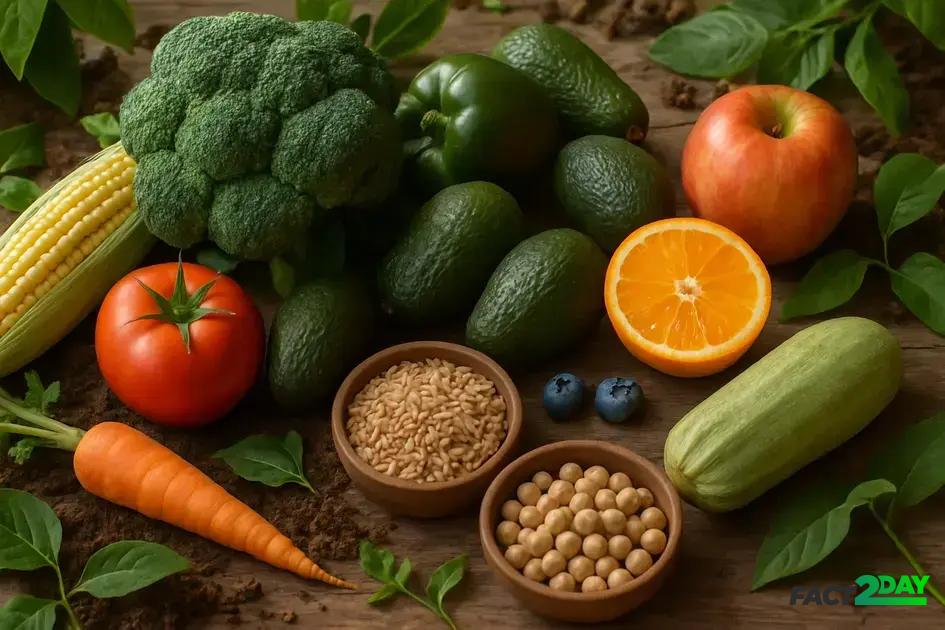
The gut microbiome diet focuses on eating fiber-rich and fermented foods while maintaining healthy lifestyle habits like exercise, stress management, and sleep to support a balanced and diverse gut bacteria ecosystem for optimal health.
Have you ever wondered how a gut microbiome diet could change the way you feel from the inside out? Tending to this inner garden influences more than just digestion—it whispers to your very wellbeing. Let’s discover the subtle ways food and habits nurture this complex ecosystem within.
understanding the gut microbiome and its role in health
The gut microbiome consists of trillions of microorganisms living in your digestive tract, influencing everything from digestion to immune function. These tiny inhabitants form a complex ecosystem that helps break down food, produce vitamins, and fight harmful bacteria.
When balanced, your gut microbiome supports not only your gastrointestinal health but also your mental health and metabolism. An imbalance, called dysbiosis, may lead to digestive issues, inflammation, or even impact mood and energy levels.
Key Functions of the Gut Microbiome
One of its main roles is fermenting fiber into short-chain fatty acids, which nourish the cells lining your gut and reduce inflammation. It also helps regulate immune responses, preventing overreactions that can cause allergies or autoimmune diseases.
Scientists have discovered connections between the gut microbiome and brain health, often referred to as the gut-brain axis. This communication link affects mood, stress, and cognitive functions.
Understanding the delicate balance of your gut microbes is the first step toward nurturing a healthier, more resilient system that supports overall well-being.
nutritional strategies to support a balanced gut microbiome
To support a balanced gut microbiome, focus on incorporating a variety of nutrient-rich foods that nourish beneficial bacteria. Diet plays a crucial role in shaping the diversity and function of your gut microbes.
Eat More Fiber-Rich Foods
Foods high in fiber, such as fruits, vegetables, legumes, and whole grains, serve as prebiotics—fuel that feeds good bacteria. These fibers help bacteria ferment and produce short-chain fatty acids, which promote gut health and reduce inflammation.
Include Fermented Foods
Fermented foods like yogurt, kefir, sauerkraut, kimchi, and kombucha contain live probiotics which introduce helpful live microorganisms into your gut. Regular consumption of these foods can enhance microbial diversity and support digestion.
Avoid Excessive Processed Foods and Sugar
Highly processed foods, artificial sweeteners, and excess sugar can disrupt the balance of gut bacteria, encouraging growth of harmful species. Limiting these can help maintain a healthy microbiome.
Hydration also plays an important role, as adequate water intake supports digestion and nutrient absorption, indirectly benefiting your microbiome health.
By choosing foods that promote diverse and robust gut bacteria, you’re actively cultivating your inner ecosystem for better health.
lifestyle habits that enhance your gut microbiome diet
Adopting certain lifestyle habits can significantly improve the effectiveness of your gut microbiome diet, creating a healthier and more balanced gut environment.
Prioritize Regular Physical Activity
Exercise boosts the diversity of gut bacteria and improves digestion. Activities like walking, cycling, or yoga promote better gut motility and help reduce inflammation, benefiting your microbiome.
Manage Stress Effectively
Chronic stress disrupts the gut microbiome balance through the gut-brain axis. Practices such as meditation, deep breathing, and mindfulness can lower stress levels, supporting a healthier gut environment.
Get Adequate Sleep
Quality sleep is essential to maintaining a robust gut microbiome. Poor sleep patterns can negatively affect gut bacteria, so aiming for 7-8 hours of restful sleep each night helps regulate digestion and immune function.
Avoid unnecessary antibiotics when possible, as they can wipe out beneficial gut bacteria alongside harmful ones. Always use antibiotics under medical guidance to preserve your microbiome health.
Incorporating these habits complements your diet efforts, fostering an environment where your gut bacteria can flourish and contribute to your overall well-being.
Embracing a Healthy Gut Microbiome for Lasting Wellness
Your gut microbiome plays a crucial role in your overall health, influenced by both diet and lifestyle choices. By focusing on nutrient-rich foods, fermented options, and supportive habits like exercise, stress management, and sleep, you promote a balanced and thriving gut ecosystem.
Small changes can make a big difference in cultivating your inner garden. Nurture your gut microbiome consistently to enjoy improved digestion, better immunity, and enhanced well-being every day.