Your Brain’s Best Friend: How the Gut Microbiome Directly Influences Memory, Mood, and Focus
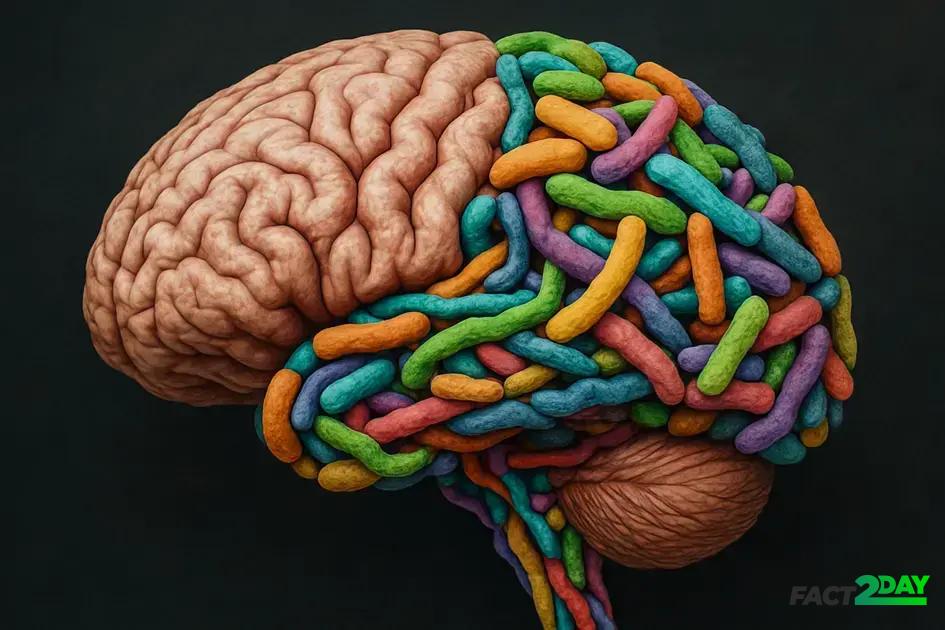
Explore how the gut microbiome and cognitive health are intertwined, influencing memory, mood, and mental clarity in surprising ways.
Astrobiology’s quest for extreme life explores organisms thriving in harsh cosmic environments, revealing nature’s adaptability and expanding our understanding of life beyond Earth’s known limits.
Reflecting on an Unusual Chapter in Legal History
The trials of animals in medieval Europe reveal a fascinating and bizarre intersection of law, morality, and society. These proceedings, where animals were treated as moral agents, invite us to rethink how deeply justice and personhood are tied to cultural beliefs.
Though strange to us today, animal trials highlight the evolving ways humans have grappled with responsibility and punishment. They remind us that our views on law and morality are shaped by historical contexts that sometimes challenge our modern understanding.
By studying these odd practices, we gain insight into how justice systems reflect broader human values, and how those values continue to change over time.
Key Insights from Animal Trials
- Law and Morality: Intersection of legal proceedings with societal beliefs.
- Cultural Context: Justice and personhood tied to cultural perceptions.
- Evolving Values: Highlights changing human views on responsibility and punishment.
- Historical Reflection: Shows how legal systems reflect broader human values over time.
Consider for a moment the surprising link between your Gut Microbiome and Cognitive Health. How might the tiny organisms living inside you be shaping your memory, mood, or focus? Let’s explore this fascinating connection.
What is the Gut Microbiome and Why It Matters for Your Brain
The gut microbiome is a complex community of trillions of bacteria, viruses, and other microbes living in your digestive tract. These tiny organisms play a vital role in digesting food, producing nutrients, and protecting against harmful pathogens. But their influence goes beyond the gut – they have a direct impact on brain function and mental health.
Research shows that the gut microbiome communicates with the brain through a network called the gut-brain axis. This connection allows gut bacteria to influence mood, memory, and focus by producing neurotransmitters and signaling molecules. For instance, certain bacteria produce serotonin, often called the “feel-good” chemical, which adjusts mood and emotional well-being.
Understanding what the gut microbiome is and how it affects your brain opens new doors for improving cognitive health naturally. Maintaining a balanced gut ecosystem by eating fiber-rich foods, fermented products, and staying active can strengthen this powerful relationship between your gut and brain.
Key Aspects of the Gut Microbiome
- Complex Community: Trillions of bacteria, viruses, and microbes in the digestive tract.
- Vital Role: Digests food, produces nutrients, protects against pathogens.
- Brain Impact: Directly influences brain function and mental health.
- Gut-Brain Axis: Communication network between gut microbiome and brain.
- Neurotransmitter Production: Influences mood, memory, and focus (e.g., serotonin).
- Cognitive Health: Opens new doors for natural improvement through a balanced ecosystem.
The Connection Between Gut Health and Cognitive Function
The link between gut health and cognitive function is stronger than many realize. The gut and brain communicate constantly through the gut-brain axis, a network of nerves, chemicals, and hormones. A healthy gut microbiome produces substances that support brain cells and maintain clear thinking.
Neurotransmitters like serotonin, dopamine, and gamma-aminobutyric acid (GABA) are produced or influenced by gut bacteria. These chemicals affect mood, focus, and memory. When the gut microbiome is imbalanced, it can lead to inflammation and release of harmful compounds that disrupt brain signals.
Studies show that people with diverse and balanced gut bacteria tend to have better cognitive performance and mental clarity. This connection suggests that nurturing your gut can be a valuable strategy to enhance cognitive health and protect against mental decline.
Diet, stress, and lifestyle choices play key roles in shaping the gut microbiome and, in turn, your brain function. By understanding this link, you can make informed decisions to support both your gut and cognitive abilities.
Impact on Cognitive Function
- Gut-Brain Axis: Constant communication via nerves, chemicals, and hormones.
- Neurotransmitter Influence: Gut bacteria produce or influence serotonin, dopamine, GABA.
- Brain Signal Disruption: Imbalance leads to inflammation and harmful compounds.
- Cognitive Performance: Diverse gut bacteria linked to better performance and clarity.
- Protective Strategy: Nurturing gut health enhances cognitive abilities and prevents decline.
- Lifestyle Factors: Diet, stress, and lifestyle shape the microbiome and brain function.
How Memory Formation is Influenced by Gut Bacteria
Gut bacteria play a surprising role in memory formation. These microbes produce chemicals that influence how neurons in the brain communicate and store new information. For example, some gut bacteria generate short-chain fatty acids (SCFAs) which can reduce brain inflammation and promote the growth of brain cells involved in memory.
Neurotransmitters such as acetylcholine, important for learning and memory, are affected by the gut microbiome. An imbalance in gut bacteria can lower these vital chemicals, potentially impairing memory and cognitive function.
Studies in animals show that altering gut bacteria changes performance in memory tasks. This emerging science suggests that nurturing a healthy microbiome through diet and lifestyle could enhance how we learn and remember.
Factors like probiotics, fiber intake, and avoiding antibiotics misuse support beneficial gut bacteria and strengthen the connection between the gut and hippocampus, a brain area critical for memory.
Gut Bacteria’s Role in Memory
- Chemical Production: Microbes produce chemicals influencing neuronal communication and information storage.
- SCFAs Benefit: Short-chain fatty acids reduce brain inflammation and promote memory cell growth.
- Neurotransmitter Impact: Affects acetylcholine levels, crucial for learning and memory.
- Imbalance Effects: Can lower vital chemicals, impairing memory and cognitive function.
- Hippocampus Connection: Strengthening the link between gut and hippocampus (memory center).
- Enhancement Strategy: Nurturing a healthy microbiome through diet and lifestyle.
Mood Regulation and the Gut-Brain Axis Explained
The gut-brain axis is a complex communication system connecting the gut and the brain, playing a crucial role in mood regulation. This bidirectional pathway includes the nervous system, hormones, immune signals, and microbial metabolites produced by gut bacteria.
Neurotransmitters like serotonin and dopamine are heavily influenced by gut microbes. Since about 90% of the body’s serotonin is produced in the gut, a healthy microbiome is essential for balanced mood and emotional well-being.
Gut bacteria send signals through the vagus nerve and bloodstream to the brain, affecting stress response and anxiety levels. Imbalances in gut microbes can lead to inflammation and altered brain chemistry, often linked to mood disorders such as depression.
Lifestyle factors such as diet, probiotics, and stress management can help maintain a healthy gut microbiome, supporting the gut-brain axis and promoting better mood stability and mental health.
The Gut-Brain Axis and Mood
- Bidirectional Pathway: Involves nervous system, hormones, immune signals, and microbial metabolites.
- Neurotransmitter Influence: Gut microbes heavily influence serotonin (90% produced in gut) and dopamine.
- Stress Response: Signals sent via vagus nerve and bloodstream affect anxiety.
- Imbalance Consequences: Leads to inflammation, altered brain chemistry, and mood disorders.
- Lifestyle Support: Diet, probiotics, and stress management maintain a healthy microbiome for mood.
The Impact of Diet on the Gut Microbiome and Mental Clarity
The foods you eat directly shape your gut microbiome, which in turn impacts mental clarity and cognitive function. A diet rich in fiber, fruits, vegetables, and fermented foods nourishes beneficial gut bacteria, promoting a balanced microbiome.
Processed foods high in sugar and unhealthy fats can disrupt gut bacteria diversity, leading to inflammation that may cloud thinking and harm memory. On the other hand, prebiotics found in foods like garlic, onions, and bananas feed healthy microbes and support brain health.
Omega-3 fatty acids, found in fish, nuts, and seeds, have anti-inflammatory effects that benefit both the gut and the brain. Staying hydrated and limiting alcohol also helps maintain a healthy gut environment.
In summary, your diet plays a powerful role in shaping your gut microbiome, which influences mental clarity, focus, and overall cognitive performance.
Dietary Effects on Gut and Brain
- Beneficial Foods: Fiber, fruits, vegetables, fermented foods nourish good bacteria.
- Harmful Foods: Processed foods, sugar, unhealthy fats disrupt diversity, cause inflammation.
- Prebiotics: Foods like garlic, onions, bananas feed healthy microbes.
- Omega-3s: Anti-inflammatory, benefiting both gut and brain.
- Hydration: Important for maintaining a healthy gut environment.
- Mental Clarity: Diet directly influences focus and cognitive performance.
Probiotics and Prebiotics: Allies for Cognitive Health
Probiotics are live beneficial bacteria found in fermented foods like yogurt, kefir, and sauerkraut. They help restore and maintain a balanced gut microbiome, which supports brain health by reducing inflammation and producing neurotransmitters important for mood and cognition.
Prebiotics are non-digestible fibers that serve as food for these good bacteria. Foods rich in prebiotics include garlic, onions, leeks, asparagus, and bananas. By nourishing probiotics, prebiotics help keep the gut microbiome diverse and healthy.
Combined, probiotics and prebiotics strengthen the gut-brain axis, enhancing memory, focus, and emotional well-being. They influence the production of chemicals like serotonin and short-chain fatty acids, which communicate with the brain to regulate stress and cognitive function.
Regularly including probiotics and prebiotics in your diet is a natural way to support your gut and protect your cognitive health over time.
Benefits for Cognitive Health
- Probiotics: Restore gut balance, reduce inflammation, produce mood/cognition neurotransmitters.
- Prebiotics: Non-digestible fibers feeding beneficial gut bacteria (e.g., garlic, onions).
- Gut-Brain Axis Strength: Enhance memory, focus, emotional well-being.
- Chemical Influence: Affect serotonin and short-chain fatty acids for stress regulation.
- Long-term Support: Natural way to protect cognitive health over time.
The Role of Inflammation Mediated by Gut Bacteria in Brain Health
Inflammation driven by gut bacteria plays a significant role in brain health. When the gut microbiome becomes imbalanced, harmful bacteria can trigger immune responses that lead to chronic inflammation. This systemic inflammation can cross the blood-brain barrier and affect brain cells.
Inflammatory chemicals called cytokines can disrupt communication between neurons, impairing memory, mood, and focus. Ongoing inflammation is linked to neurodegenerative diseases such as Alzheimer’s and Parkinson’s.
Maintaining a healthy gut microbiome helps control inflammation levels. Beneficial bacteria produce anti-inflammatory compounds, like short-chain fatty acids, which support brain cell function and protect against damage.
Strategies such as eating anti-inflammatory foods, reducing stress, and avoiding unnecessary antibiotics can help manage inflammation mediated by gut bacteria and promote overall brain health.
Impact of Gut-Mediated Inflammation
- Chronic Inflammation: Imbalanced gut triggers immune responses, leading to systemic inflammation.
- Brain Barrier Crossing: Inflammation can affect brain cells by crossing the blood-brain barrier.
- Neuronal Disruption: Inflammatory chemicals impair memory, mood, and focus.
- Neurodegenerative Link: Associated with diseases like Alzheimer’s and Parkinson’s.
- Anti-inflammatory Compounds: Beneficial bacteria produce SCFAs, supporting brain health.
- Management Strategies: Anti-inflammatory diet, stress reduction, mindful antibiotic use.
Gut Microbiome Changes Across the Lifespan and Cognitive Aging
The gut microbiome evolves throughout life, impacting cognitive health as we age. In infancy, gut bacteria help develop the immune system and brain. During adulthood, a balanced microbiome supports mental clarity and memory.
As we grow older, the diversity of gut bacteria often decreases, which can contribute to inflammation and slower cognitive function. This shift is linked to memory loss and higher risk of neurodegenerative diseases.
Maintaining a diverse gut microbiome with diet, exercise, and possibly probiotics can support healthier brain aging. Research suggests that nurturing gut health may help slow cognitive decline and support memory in older adults.
Understanding how the gut microbiome changes with age highlights new opportunities to protect cognitive function and improve quality of life across the lifespan.
Lifespan Changes and Cognitive Impact
- Infancy: Gut bacteria aid in immune system and brain development.
- Adulthood: Balanced microbiome supports mental clarity and memory.
- Aging: Decreased gut bacteria diversity linked to inflammation and cognitive decline.
- Memory Loss Risk: Associated with higher risk of neurodegenerative diseases.
- Healthy Aging: Diverse microbiome through diet, exercise, probiotics supports brain.
- Cognitive Protection: Nurturing gut health may slow cognitive decline in older adults.
Stress, Gut Health, and Their Combined Effect on Focus
Stress has a profound influence on gut health and can negatively affect your ability to focus. When stressed, the body releases hormones like cortisol that change the gut environment, reducing beneficial bacteria and increasing harmful ones.
This imbalance disrupts the gut-brain axis, impairing communication between the gut and brain. As a result, cognitive functions like concentration, memory, and mental clarity may suffer.
Chronic stress can also increase gut inflammation, which further harms brain function and focus. On the flip side, a healthy gut microbiome can help modulate stress responses and support improved attention and calmness.
Practicing stress-reducing activities such as meditation, exercise, and maintaining a balanced diet rich in prebiotics and probiotics can protect your gut and enhance your ability to focus.
The Stress-Gut-Focus Connection
- Hormonal Impact: Stress hormones (cortisol) alter gut environment, reducing beneficial bacteria.
- Gut-Brain Axis Disruption: Impairs communication between gut and brain.
- Cognitive Impairment: Leads to reduced concentration, memory, and mental clarity.
- Increased Inflammation: Chronic stress harms brain function and focus.
- Stress Modulation: Healthy gut microbiome supports improved attention and calmness.
- Protective Strategies: Meditation, exercise, diet (prebiotics/probiotics) protect gut and focus.
Emerging Research on Gut Microbiota and Neurodegenerative Diseases
Emerging research is revealing strong links between the gut microbiota and neurodegenerative diseases like Alzheimer’s, Parkinson’s, and multiple sclerosis. Changes in gut bacteria composition may influence disease progression by triggering inflammation and affecting brain function.
Studies suggest that an imbalanced gut microbiome can increase harmful metabolites that cross into the brain, damaging neurons and accelerating cognitive decline.
Moreover, gut bacteria can affect the production of neurotransmitters and immune responses, both crucial in maintaining brain health. Researchers are exploring how restoring microbiome balance through diet, probiotics, or medications might slow or prevent these diseases.
While much is still under investigation, understanding the role of gut microbiota opens new possibilities for early diagnosis and innovative treatments targeting the gut to protect the brain.
Gut Microbiota’s Role in Neurodegeneration
- Disease Links: Strong connections with Alzheimer’s, Parkinson’s, multiple sclerosis.
- Progression Influence: Changes in gut bacteria trigger inflammation and affect brain.
- Harmful Metabolites: Imbalanced microbiome increases brain-damaging metabolites.
- Neurotransmitter & Immune Impact: Affects production of crucial brain chemicals and immune responses.
- Restoration Potential: Exploring diet, probiotics, medications to restore balance.
- Future Prospects: New possibilities for diagnosis and treatments targeting the gut for brain protection.
How Gut Health Influences Sleep and Cognitive Performance
Gut health plays a vital role in regulating sleep quality and overall cognitive performance. The gut microbiome produces neurotransmitters such as serotonin and melatonin, which help control sleep cycles and mood.
Disruptions in gut bacteria balance can negatively affect sleep patterns, leading to issues like insomnia or poor rest. Poor sleep, in turn, impairs memory, attention, and decision-making skills.
The gut-brain axis coordinates signals that influence both digestive health and brain function. By supporting a healthy gut with a balanced diet and probiotics, you can improve sleep quality and boost focus and mental clarity during the day.
Recent studies also suggest that gut bacteria influence inflammation and stress hormones, which are linked to sleep disturbances and cognitive decline.
Gut’s Impact on Sleep and Cognition
- Neurotransmitter Production: Gut microbiome produces serotonin and melatonin for sleep cycles and mood.
- Sleep Disruption: Imbalance in gut bacteria affects sleep patterns (insomnia, poor rest).
- Cognitive Impairment: Poor sleep reduces memory, attention, and decision-making skills.
- Gut-Brain Axis: Coordinates signals influencing both digestive health and brain function.
- Inflammation & Stress: Gut bacteria influence these, linking to sleep issues and cognitive decline.
- Improvement Strategy: Healthy gut with diet and probiotics boosts sleep, focus, and clarity.
Practical Lifestyle Changes to Nurture Your Gut Microbiome
Adopting practical lifestyle changes can significantly nurture your gut microbiome and promote better cognitive health. Start by incorporating fiber-rich foods like fruits, vegetables, and whole grains into your diet. These foods act as prebiotics that feed good gut bacteria.
Regularly eating fermented foods such as yogurt, kimchi, and sauerkraut introduces beneficial probiotics, which help balance the gut ecosystem.
Staying hydrated and limiting processed foods and added sugars also support a healthy microbiome. Avoid unnecessary use of antibiotics as they can disrupt gut bacteria diversity.
Additionally, managing stress through techniques like meditation, adequate sleep, and regular physical activity plays a crucial role in maintaining gut health. Together, these lifestyle habits strengthen the gut-brain axis, enhancing memory, mood, and focus.
Actionable Steps for Gut Health
- Fiber-Rich Diet: Include fruits, vegetables, whole grains (prebiotics).
- Fermented Foods: Regularly consume yogurt, kimchi, sauerkraut (probiotics).
- Hydration & Limits: Stay hydrated, limit processed foods and added sugars.
- Antibiotic Awareness: Avoid unnecessary use to protect gut diversity.
- Stress Management: Practice meditation, ensure adequate sleep, regular physical activity.
- Enhanced Cognition: Strengthens gut-brain axis, improving memory, mood, focus.
The Science Behind Gut Bacteria and Neurotransmitter Production
The gut microbiome plays a crucial role in neurotransmitter production, impacting brain function and emotional health. Gut bacteria synthesize key neurotransmitters like serotonin, dopamine, and gamma-aminobutyric acid (GABA), which regulate mood, focus, and memory.
Serotonin, often called the “feel-good” neurotransmitter, is mostly produced in the gut. These bacteria influence serotonin levels by breaking down dietary components, supporting mental well-being.
Dopamine and GABA also depend on gut microbes for their synthesis and balance. Disruptions in the microbiome can lower production of these chemicals, contributing to anxiety, depression, and cognitive issues.
Understanding this scientific link highlights the importance of nurturing a healthy gut with probiotics, prebiotics, and balanced nutrition to maintain optimal brain chemistry and cognitive function.
Gut Microbes and Neurotransmitter Synthesis
- Key Neurotransmitters: Synthesis of serotonin, dopamine, GABA.
- Mood Regulation: Serotonin (mostly gut-produced) influences mental well-being.
- Cognitive Impact: Dopamine and GABA depend on gut microbes for balance.
- Disruption Effects: Imbalance can lower chemical production, leading to anxiety, depression, cognitive issues.
- Nurturing Gut: Essential for optimal brain chemistry and cognitive function.
Future Directions: Microbiome Therapies for Cognitive Enhancement
Future directions for microbiome therapies focus on enhancing cognitive function by targeting the gut-brain axis. Scientists are exploring how tailored probiotics, prebiotics, and fecal microbiota transplants can restore balanced gut bacteria to improve memory, focus, and mood.
Personalized microbiome treatments could one day help prevent or slow cognitive decline linked to aging and neurological diseases. Advances in genetic sequencing and microbiome analysis allow for tailored interventions based on an individual’s unique gut profile.
Emerging therapies also investigate the use of postbiotics, which are beneficial compounds produced by gut bacteria, to directly influence brain health. These approaches offer new hope for non-invasive cognitive enhancement.
While still experimental, microbiome therapies represent a promising frontier in brain health maintenance and could revolutionize how we approach cognitive disorders and improve mental performance.
Innovations in Microbiome Therapy
- Targeting Gut-Brain Axis: Enhancing cognition via probiotics, prebiotics, fecal transplants.
- Personalized Treatments: Tailored interventions based on individual gut profiles.
- Cognitive Decline Prevention: Potential to slow or prevent age-related and disease-linked decline.
- Postbiotics Research: Investigating beneficial compounds for direct brain health influence.
- Promising Frontier: New hope for non-invasive cognitive enhancement and performance improvement.
Bringing It All Together: Nurturing Your Gut for a Sharper Mind
The gut microbiome is clearly more than just a digestive partner—it plays a key role in supporting memory, mood, and focus. By understanding the deep connection between gut health and cognitive function, you can take simple but powerful steps to nurture your microbiome.
Small lifestyle changes like eating fiber-rich foods, managing stress, and including probiotics can make a big difference in brain health over time. As research continues, microbiome therapies may offer exciting new ways to boost mental clarity and protect against cognitive decline.
Focusing on your gut health is a natural and effective strategy to support your brain and enjoy better mental well-being every day.