The Art of Deception: History’s Most Spectacular and Hilarious Scams and Frauds
Golpes históricos revelam truques e fraudes surpreendentes que marcaram época. Descubra como enganos incríveis transformaram histórias em verdadeiros mistérios.
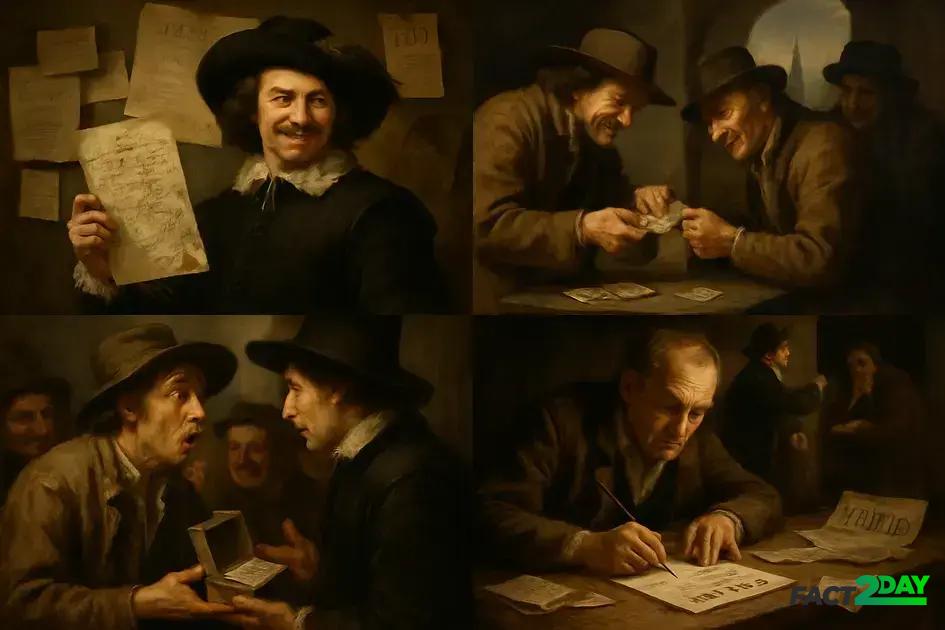
Historical scams are deception schemes that changed events and societies by exploiting human trust, with famous examples such as the tulip bubble and the Ponzi scheme.
Have you ever wondered how some of the greatest historical scams managed to deceive masses? Historical scams have stories filled with incredible and hilarious tricks that reveal a lot about human nature. Let’s explore together these episodes that defied logic and trust.
Scams that changed the course of history
Throughout history, certain golpes que mudaram o rumo da história have left a lasting impact on societies, politics, and economies. These clever deceptions altered the course of nations and even shifted power balances. For example, the Tulip Mania in the 17th century Netherlands was one of the first recorded financial bubbles, where speculative buying of tulip bulbs caused a dramatic market crash, shaking the economy.
Another example is the Dreyfus Affair in France, where a wrongful conviction based on false evidence divided the country and exposed deep political and social conflicts. This case highlighted how manipulation and misinformation can affect entire populations.
These historical scams often involved complex schemes that fooled thousands, demonstrating how human psychology and greed play essential roles in the success of such frauds. Understanding these incidents helps us recognize warning signs and protect ourselves from being victims of similar deceptions today.
famous frauds and their curious characters
History is filled with fraudes famosas e seus personagens curiosos whose cunning schemes captivated and deceived many. One well-known example is Frank Abagnale Jr., who impersonated pilots, doctors, and lawyers, successfully forging checks and evading capture for years. His story inspired the movie “Catch Me If You Can.”
Another notorious figure is Charles Ponzi, who created the infamous Ponzi scheme, promising high returns to investors but paying them with funds from new participants rather than actual profit. His scam collapsed spectacularly, leaving many people financially ruined.
These characters often used charm, intelligence, and persuasive tactics to exploit trust. Their stories provide valuable lessons in skepticism and highlight the importance of verifying information before trusting others with money or secrets.
lessons in deception: how to identify and avoid it
Learning from past scams is crucial to protect yourself today. Lições de enganação: como identificar e evitar fraudulent schemes can save you time, money, and stress. One key indicator of a scam is the promise of unusually high returns with little or no risk. Always be cautious when an offer sounds too good to be true.
Verify the Source
Check the background of the person or company involved. Research online, look for reviews, and consult trusted organizations before sharing personal information or money.
Watch for Pressure Tactics
Scammers often rush their victims to make quick decisions. Taking your time and asking questions can reveal inconsistencies. Real deals don’t require urgent action.
Trust your instincts. If something feels off, it probably is. Educate yourself about common scam techniques and stay informed to recognize red flags early. Remember, awareness is your best defense.
Understanding and Avoiding Scams
Recognizing the signs of scams and learning from historical frauds helps protect you from falling victim. By verifying sources and staying cautious of promises that seem too good to be true, you can avoid many common traps.
Taking time to research and trusting your instincts are some of the best ways to stay safe. Knowledge about golpes históricos and their patterns empowers you to make smarter decisions and keep your finances and information secure.