Plants That Glow Without Fireflies or Lamps
explore glowing plants that light up forests without fireflies or lamps, revealing nature's hidden luminous marvels.
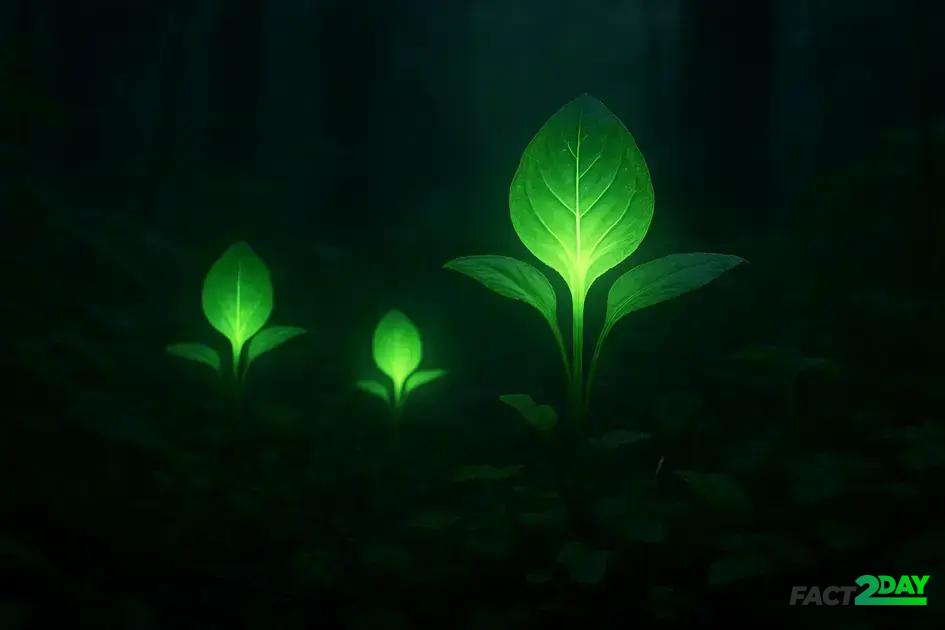
Glowing plants emit natural light through bioluminescence, often via symbiotic fungi or bacteria, and have applications in sustainable lighting, environmental monitoring, and scientific research without relying on fireflies or artificial lamps.
Glowing plants might seem like a creature of fantasy, but some of them light up nature in surprising ways. Have you ever wandered in a forest and caught a soft, mysterious glow from leaves or flowers? Let’s explore this quiet enchantment together.
what makes plants glow naturally
Plants can glow naturally through a process called bioluminescence, which is the production and emission of light by living organisms. This phenomenon occurs when certain chemicals inside plant cells react with oxygen, creating light without heat. Bioluminescence in plants is much rarer than in animals, but it is a fascinating adaptation that serves various purposes.
Chemical Reaction Behind the Glow
The main chemical responsible for the glow is called luciferin. When luciferin interacts with an enzyme named luciferase in the presence of oxygen, it produces a cold light. This reaction is highly efficient and uses very little energy, allowing plants or their associated organisms to emit light sustainably.
Role of Symbiotic Organisms
In many glowing plants, the light doesn’t come directly from the plant itself but from symbiotic fungi or bacteria living on or inside the plant tissues. These microorganisms produce the light, creating a natural glow that can be observed at night.
Purpose of Natural Plant Glow
The natural glow may help attract pollinators or seed dispersers in dark environments, aiding the plant’s reproduction. It can also serve as a defense mechanism by confusing or deterring herbivores. In some cases, the glow helps in communication between different organisms in an ecosystem.
Examples and Visibility
Not all glowing plants shine brightly; some have subtle luminescence that is best seen in complete darkness. The intensity depends on factors like the species, environment, and the activity of the luciferin-luciferase reaction.
how bioluminescence works in plants
Bioluminescence in plants occurs through a chemical process where certain molecules emit light after a reaction within the cells. This is similar to how fireflies glow but involves unique plant-related components or their symbiotic partners. The core of bioluminescence is a reaction between a molecule called luciferin and the enzyme luciferase, which triggers light emission.
The Chemical Process
When luciferin oxidizes in the presence of luciferase and oxygen, it produces photons — small packets of light. This reaction happens inside the plant or in associated microorganisms like fungi and bacteria. The light produced is cold, meaning it gives off minimal heat, which allows the plant to glow without wasting energy.
Role of Enzymes and Co-factors
Besides luciferin and luciferase, other co-factors like ATP (adenosine triphosphate) are essential for sustaining the reaction. These elements work together to maintain a steady glow or flashing light in some species.
Interaction with Symbiotic Organisms
Many glowing plants rely on symbiotic fungi or bacteria to generate bioluminescence. These microorganisms live in or on the plant tissues and produce light as a byproduct of their metabolism, creating a beautiful, natural illumination.
Ecological Functions of Bioluminescence
Plants and their glowing partners use bioluminescence for several reasons, including attracting pollinators, deterring herbivores, or communicating within ecosystems. This natural light can be vital for survival in dark environments like dense forests or underground areas.
examples of glowing plants around the world
Glowing plants are found in various parts of the world, showcasing nature’s fascinating ability to produce light without lamps or fireflies. These plants often rely on bioluminescence from their own cells or from symbiotic fungi and bacteria living with them.
Foxfire in North America
One of the most famous examples is foxfire, a bioluminescent fungus that glows on decaying wood in forests across North America. It emits a greenish-blue light that can illuminate forest floors during the night.
Glowing Mushrooms in Asia
In Asia, several species of glowing mushrooms, such as the neon-yellow Mycena chlorophos found in Japan and Taiwan, light up damp forests. These fungi often grow on fallen branches and give off a steady, soft glow.
Glowing Plants in Australia
Australia is home to unique glow-producing plants like the native starlight vine, which reflects light and creates a glowing effect under certain conditions. These plants often grow in rainforests where light is scarce.
Marine Bioluminescent Plants
Though not true plants, some marine algae and plankton glow underwater, creating spectacular blue waves and glowing sea surfaces. This marine bioluminescence can be seen in coastal regions worldwide, including the Maldives and Puerto Rico.
Rare Glowing Flowers
Scientists have developed glowing flowers using genetic technology, but nature also offers rare examples such as the glowing petals caused by symbiotic organisms or chemical reactions in some tropical plants.
These glowing plants and fungi not only add magic to natural landscapes but also inspire scientific research into sustainable light sources and environmental conservation.
the role of fungi and bacteria in plant glow
Fungi and bacteria play a crucial role in the glowing effect seen in many plants, often acting as the true source of bioluminescence. These microorganisms live in close association with plants, either on their surfaces or within their tissues, creating a natural light show.
Bioluminescent Fungi
Many glowing woods and plants owe their light to bioluminescent fungi. These fungi produce light through a chemical reaction involving luciferin and luciferase enzymes, illuminating tree bark, leaves, and decaying wood. Foxfire fungi are a classic example, casting an eerie green-blue glow in dark forests.
Light from Bacteria
Certain bacteria living symbiotically with plants or fungi can also emit light. These bacteria use similar biochemical processes to fungi and often enhance or trigger the glow seen in some plants. Their presence can be vital for sustained luminescence.
Mutual Benefits
This relationship benefits both parties: fungi and bacteria gain shelter and nutrients, while plants may use the light for attracting pollinators or deterring herbivores. The glow can also signal health or communicate within the ecosystem.
Scientific Insights and Applications
Understanding these organisms helps researchers develop sustainable lighting and novel biotechnologies. By studying fungal and bacterial glow, scientists aim to mimic these natural lights for environmentally friendly uses.
glowing plants in folklore and culture
Glowing plants have fascinated human cultures for centuries, often appearing in folklore, myths, and legends around the world. Their mysterious light was seen as magical or divine, symbolizing life, spirit, or hidden knowledge.
Mythical Associations
In many cultures, glowing plants were believed to be enchanted or inhabited by spirits. For example, some Native American tribes thought bioluminescent fungi were the spirits of the forest, guiding lost travelers or protecting sacred lands.
Symbolism in Folklore
Glowing plants often symbolized hope and transformation in tales, representing light in darkness or the promise of new beginnings. These stories used the natural phenomenon to explain mysterious lights seen in forests or caves at night.
Traditional Uses and Beliefs
Some cultures used glowing plants in rituals or healing practices, believing their light had special powers. They were also thought to ward off evil spirits or bring good fortune when used in ceremonies.
Influence on Art and Literature
The enchanting glow of plants inspired artists, poets, and writers to capture their magic. This influence can still be seen in modern books, movies, and artworks that feature glowing plants as symbols of mystery and wonder.
Overall, glowing plants hold a special place in cultural history, connecting human imagination with the natural world’s hidden wonders.
how glowing plants inspire scientific research
Glowing plants have become a significant source of inspiration for scientific research, especially in fields like biotechnology and environmental science. Their natural ability to emit light opens new doors for developing eco-friendly technologies.
Bioluminescence as a Model for Innovation
Researchers study the chemical processes behind bioluminescence to create sustainable lighting solutions. Mimicking these natural light-producing reactions may lead to energy-efficient bulbs and sustainable urban lighting.
Genetic Engineering and Glowing Plants
Scientists have experimented with inserting genes responsible for glow from fungi or bacteria into common plants. This has the potential to create glowing crops and flowers, reducing the need for artificial light sources in gardens and agriculture.
Environmental Monitoring
Glowing plants are also used as bioindicators to detect pollution or harmful substances in the environment. Their light can change based on stress or contamination, providing a visual method to monitor ecosystem health.
Medical and Scientific Tools
Bioluminescent markers derived from glowing plants aid in medical research by helping scientists track cellular processes, study diseases, and improve drug testing.
Overall, glowing plants inspire research that combines natural wonder with practical applications, moving us toward greener and smarter technologies.
growing and caring for glowing plants at home
Growing and caring for glowing plants at home requires understanding their unique needs, which often differ from regular houseplants due to their bioluminescent nature. Many glowing plants depend on specific environmental conditions and sometimes symbiotic organisms to maintain their glow.
Selecting the Right Species
Some popular glowing plants suitable for home cultivation include genetically modified varieties or bioluminescent mushrooms. Choose species known to thrive indoors and match your home’s light and humidity levels.
Lighting and Environment
Indirect or low light is usually best for glowing plants, as too much direct sunlight can harm their delicate cells or symbiotic life forms. Maintain moderate humidity and a stable temperature to mimic their natural habitat.
Watering and Soil
Use well-draining soil and water plants moderately to prevent root rot. For glowing fungi, damp substrates like decaying wood are ideal. Avoid overwatering, which can diminish bioluminescence.
Maintaining Bioluminescence
To keep the glow vibrant, provide conditions that support the organisms responsible for light emission, like fungi or bacteria. This might mean occasional nutrient additions or ensuring good airflow.
Common Challenges
Pests, mold, and improper lighting can reduce glow intensity. Regularly check plants and adjust care routines, removing unhealthy parts promptly.
Growing glowing plants can be rewarding, offering a magical touch to your indoor garden while encouraging appreciation for nature’s wonders.
potential applications of glowing plants
Glowing plants offer exciting potential applications across different industries, combining natural beauty with innovative functions. Their unique ability to produce light can lead to sustainable, eco-friendly solutions.
Natural Lighting
One of the most promising uses is as a source of natural lighting. Glowing plants could replace street lamps or indoor lights in gardens and homes, reducing electricity consumption and light pollution.
Environmental Monitoring
These plants can serve as bioindicators, changing their glow in response to pollution or environmental stress. This allows for real-time monitoring of air and soil quality without the need for electronic sensors.
Decorative and Artistic Uses
Glowing plants can be used in landscaping, home décor, and public spaces to create magical, otherworldly scenes. Artists and designers are increasingly exploring bioluminescence for creative expressions.
Biotechnology and Medicine
Research into glowing plants aids medical science, particularly in tracking cellular activity and visualizing biological processes. They act as natural markers without harmful effects.
Energy and Sustainability
By harnessing bioluminescence, scientists aim to develop low-energy light sources, potentially revolutionizing how we light environments while lowering our carbon footprint.
environmental benefits of glowing plants
Glowing plants offer several environmental benefits that make them an exciting area of study and application. Their natural light reduces the need for electric lighting, which can lower energy consumption and reduce carbon emissions.
Reducing Light Pollution
Glowing plants provide gentle, natural light that can replace harsh artificial lights, especially in outdoor settings. This helps reduce light pollution which disrupts wildlife and affects human health.
Lower Energy Demand
By using plants that emit light naturally, cities and homes can reduce their reliance on electricity for illumination. This shift could significantly cut greenhouse gas emissions associated with power generation.
Supporting Biodiversity
Glowing plants can enhance habitats for nocturnal animals by providing a natural light source without disturbing their environment. This supports biodiversity and balances ecosystems.
Biodegradable and Non-toxic
Unlike many synthetic lighting solutions, bioluminescent plants and their light-producing organisms are biodegradable and non-toxic, reducing waste and chemical pollution in the environment.
Potential for Sustainable Landscaping
Incorporating glowing plants into landscaping can promote sustainability by reducing the need for electric garden lights and fostering awareness about ecological balance.
future possibilities for glowing plant technology
The future of glowing plant technology holds incredible possibilities that could transform how we live, work, and interact with nature. Advances in genetics, biotechnology, and materials science promise to enhance the glow and practicality of these plants.
Enhanced Bioluminescence
Scientists are working on improving the brightness and duration of glow in plants. This includes developing new gene edits and optimizing biochemical pathways, making glowing plants more visible and useful in everyday settings.
Smart Lighting Systems
Glowing plants could integrate with smart homes and urban infrastructure to provide dynamic, energy-saving lighting. Imagine plants that adjust their light intensity based on time of day or human presence.
Environmental Cleanup
Future glowing plants might be engineered to absorb pollutants while glowing, serving dual purposes in environmental protection and beautification.
Medical and Scientific Innovations
Refined glowing plants can aid in real-time monitoring of health, acting as natural indicators of disease or environmental stress, aiding diagnostics in a non-invasive way.
Space Exploration
Bioluminescent plants could provide sustainable lighting and oxygen generation in space habitats, contributing to long-term extraterrestrial missions.
These future possibilities suggest glowing plant technology will become a valuable part of sustainable living and scientific advancement.
Exploring the Future of Plants
Glowing plants offer a glimpse into a future where nature and technology combine to create sustainable and innovative solutions. From natural lighting to environmental cleanup, their potential is vast and inspiring.
As science advances, these plants may become common in homes, cities, and even space, helping reduce energy use and supporting life in new ways. Understanding and caring for glowing plants today prepares us for a brighter, greener tomorrow.
Embracing glowing plant technology could lead to exciting changes in how we live and protect our planet. The journey of glowing plants is just beginning, inviting us to explore the wonders of nature’s light.