Glow-in-the-Dark Mushrooms You Can Eat?
Explore the world of glowing mushrooms, uncovering which ones you can actually eat and how these natural wonders glow in the dark.
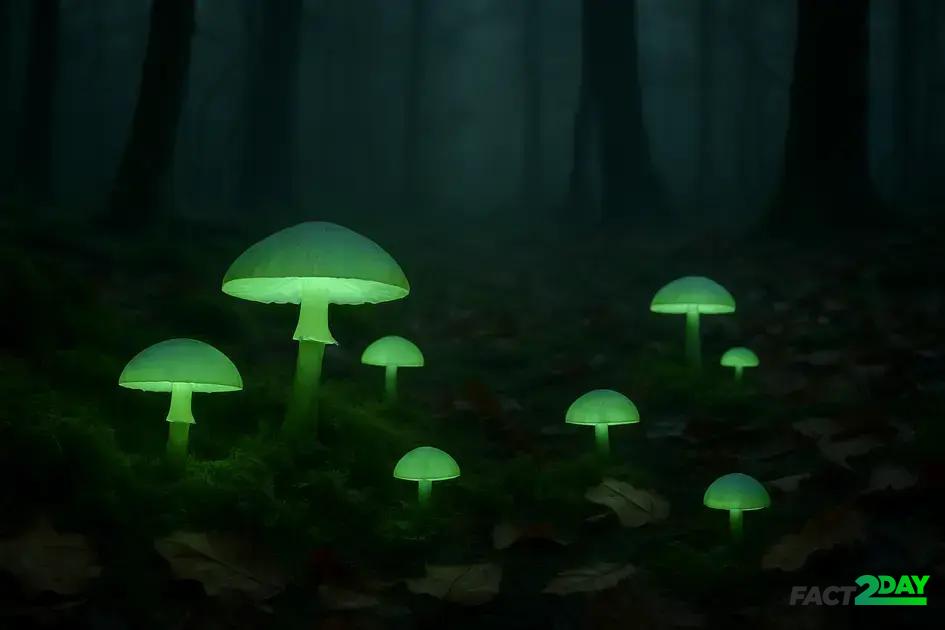
Glowing mushrooms are fungi that emit natural light through bioluminescence, with only a few species being edible, requiring careful identification and sustainable harvesting for safe consumption.
Glowing mushrooms have a mysterious charm that catches many off guard. Have you ever wondered which of these luminous fungi might be safe to eat or just a bright illusion? Let’s wander into this curious corner of nature together.
what are glowing mushrooms?
Glowing mushrooms are a fascinating type of fungi that naturally emit light through a process called bioluminescence. This light is usually greenish, giving them an otherworldly glow in dark environments like forests at night. Bioluminescence happens when specific enzymes react with chemicals inside the mushroom, producing visible light without heat.
These mushrooms are not only beautiful but play a role in nature, attracting insects that help spread their spores. Glowing mushrooms vary in species, shapes, and sizes, found in tropical and temperate regions worldwide. Some species are tiny and hidden under leaves, while others are more noticeable on decaying wood or tree trunks.
Understanding what glowing mushrooms are is the first step toward safely exploring their mystery and learning which kinds might be edible or purely ornamental. Their glowing feature adds to their allure, captivating both scientists and mushroom enthusiasts alike.
how bioluminescence works in fungi
Bioluminescence in fungi is a natural chemical process that creates light without heat. This happens when an enzyme called luciferase reacts with a molecule named luciferin in the presence of oxygen. The reaction releases energy as visible light. This glowing effect is quite different from other natural lights like fireflies since fungi produce a steady glow rather than flashing.
Key Components of Bioluminescence
The main ingredients for fungi to glow include luciferin, luciferase, oxygen, and energy from cellular activity. The enzyme acts on luciferin, causing a chemical reaction that emits greenish light, usually between 520 and 530 nanometers in wavelength. This light helps fungi attract insects and other organisms that aid in spreading their spores.
Not all fungi can glow; only specific species possess the necessary enzymes and chemicals. These glowing fungi mostly appear on decaying wood or leaf litter, where their bioluminescence may serve ecological and biological roles.
Ecological Purpose of Fungal Glow
Bioluminescence can help fungi survive by attracting insects at night, which then carry fungal spores to new locations. It may also serve as a warning to predators or help fungi protect themselves from harmful organisms. Scientists continue to explore the precise benefits, but the glow certainly makes these fungi unique and intriguing components of forest ecosystems.
common edible glowing mushrooms
Among the many glowing mushrooms found worldwide, only a few are considered edible. One of the most notable is the Panellus stipticus, which has an interesting faint glow and is sometimes used in traditional dishes in certain cultures. However, its taste is quite bitter and not enjoyed by everyone.
Another edible bioluminescent mushroom is the Omphalotus olearius, also known as the jack-o’-lantern mushroom. Despite its captivating glow, this mushroom is toxic and should not be consumed. It’s important to distinguish edible glowing mushrooms from harmful ones to avoid poisoning.
Safety First
Foragers interested in edible glowing mushrooms must exercise extreme caution. Many glowing fungi are toxic, making expert knowledge or guidance essential before consumption. Always rely on trusted sources or mushroom identification experts when considering foraging glowing mushrooms.
In general, glowing mushrooms are rare to find in markets or culinary uses because their bioluminescence is usually faint and their edibility uncertain. The glowing effect, while fascinating, is more often a subject for scientific study and natural wonder than for the dinner plate.
how to identify safe glowing mushrooms
Identifying safe glowing mushrooms requires careful observation and knowledge, as many bioluminescent mushrooms are toxic or inedible. Key features to check include the mushroom’s shape, color, habitat, and spore print color. For example, edible Panellus stipticus mushrooms typically grow on decaying wood and have a fan-shaped cap with a faint green glow.
Use Trusted Field Guides
Always carry a reliable mushroom identification guide when foraging. These guides detail specific characteristics and differences between edible and toxic species. Photographs and descriptions help confirm the mushroom’s identity.
Consult Experts
When unsure, consult with experienced foragers, mycologists, or local mushroom clubs. They can provide essential help to avoid hazardous mistakes. Never eat glowing mushrooms unless you are 100% certain of their safety.
Be cautious of similar-looking toxic mushrooms, such as the jack-o’-lantern mushroom (Omphalotus olearius), which glows but is poisonous. Always perform a spore print test and examine growth patterns.
Look for Environmental Signs
Consider the environment where the mushroom grows. Edible glowing mushrooms usually inhabit specific forests or decomposing wood. Avoid mushrooms from unknown or polluted areas.
historical uses of glowing mushrooms
Glowing mushrooms have fascinated humans for centuries and appear in various cultural histories and folklores. In some ancient cultures, these luminous fungi were believed to have magical or spiritual properties. For example, indigenous tribes in Asia and South America used glowing mushrooms in rituals to symbolize life, death, or transformation.
Traditional Uses in Medicine and Rituals
Some cultures used glowing mushrooms for medicinal purposes, relying on their unique properties. Although not well documented scientifically, anecdotal evidence suggests these mushrooms were applied to treat wounds or illnesses. Ritualistic use often involved using the glowing mushrooms as natural night lights or indicators of sacred times during ceremonies.
European folklore tells stories of “fairy rings,” circles of glowing mushrooms thought to be portals to the fairy world. These myths reveal how bioluminescent fungi impacted storytelling and superstitions.
Practical Uses in History
Before modern lighting, glowing mushrooms might have served as natural sources of light in dark forests or caves. Their glow, though dim, was visible in complete darkness and could guide travelers or hunters. While their practical lighting ability was limited, their presence helped shape human interaction with nature throughout history.
potential health benefits and risks
Glowing mushrooms, while intriguing, come with both potential health benefits and risks. Some species contain compounds that have been studied for their antioxidant and antimicrobial properties. These natural substances might support immune health or help fight infections when used appropriately.
Possible Health Benefits
Certain glowing mushrooms contain bioactive compounds that could benefit human health. For example, antioxidants help neutralize harmful molecules in the body. Some studies suggest that these compounds may reduce inflammation and promote overall wellness.
Risks and Precautions
Despite these potential benefits, it is important to be cautious. Many glowing mushrooms are toxic or poisonous and can cause serious illness if consumed. Symptoms may include nausea, vomiting, dizziness, and in severe cases, organ damage.
Proper identification and expert consultation are critical before using any glowing mushroom for health purposes or consumption. Self-harvesting without knowledge can lead to dangerous mistakes.
Research and Regulation
Scientific research on glowing mushrooms is still limited and ongoing. So far, no glowing mushroom is widely accepted as a safe health supplement. Regulations vary by region, and the safest approach is to consult healthcare professionals before use.
glowing mushrooms in different cultures
Glowing mushrooms have captured the imagination of many cultures around the world. In Japan, these fungi are sometimes associated with spirits or mystical forces in folklore, symbolizing secrets hidden within nature. Brightly glowing mushrooms are often seen as magical or otherworldly.
Symbolism and Folklore
In many indigenous cultures, glowing mushrooms inspire stories of fairies, spirits, or supernatural beings. For instance, European folklore developed tales about fairy rings, which are circular arrangements of glowing mushrooms said to mark entrances to fairy realms or enchanted places.
Some Native American tribes view glowing mushrooms as symbols of transformation and healing, incorporating them into legends that explain natural phenomena or spiritual lessons.
Use in Traditional Practices
While less common, certain cultures have used glowing mushrooms in rituals or ceremonies, valuing their light in darkness for creating sacred spaces or marking special events. These mushrooms may also appear in art or traditional stories, reflecting their cultural importance.
Globally, glowing mushrooms represent a mysterious connection between the natural and supernatural worlds, showing how fungi inspire both awe and respect across different societies.
where to find edible glowing mushrooms
Edible glowing mushrooms are quite rare, and finding them requires knowledge of their natural habitats. Typically, these mushrooms grow in moist, wooded areas rich in decaying wood and organic matter. Look for places such as old forests, fallen logs, and damp leaf litter where fungi thrive.
Best Natural Settings
Many edible glowing mushrooms, like Panellus stipticus, grow on dead or decaying hardwood trees. They are usually found in temperate regions across North America, Europe, and Asia. Moist environments with plenty of shade encourage their growth.
Pay attention to late spring through early autumn, which is the prime season for finding most mushrooms, including the glowing types. Nighttime walks can reveal their faint bioluminescent glow, making them easier to spot if you know where to look.
Foraging Tips
Always forage responsibly: avoid protected areas and never pick mushrooms from polluted sites to prevent contamination. Use a flashlight during dusk or nighttime to spot these glowing mushrooms. Remember, accurate identification is critical since many glowing mushrooms appear similar but are not edible.
how to sustainably harvest glowing mushrooms
Sustainably harvesting glowing mushrooms ensures their populations remain healthy and ecosystems stay balanced. When foraging, avoid uprooting entire mushrooms; instead, gently twist or cut the stem near the base to allow the mycelium underground to remain intact. This promotes regrowth and maintains the mushroom colony.
Harvest with Care
Only harvest mature mushrooms and leave smaller, younger ones to grow. Harvesting too many mushrooms at once can harm their ability to reproduce. It’s best to pick only what you need and leave plenty behind.
Respect natural habitats by avoiding damage to surrounding plants and soil. Use a basket or breathable container instead of plastic bags to carry your harvest. This prevents moisture buildup that can spoil the mushrooms and allows spores to spread during your walk.
Follow Local Guidelines
Check local laws and regulations related to mushroom harvesting in your area. Some parks or forests have restrictions to protect rare or endangered species. Participate in responsible foraging to help preserve glowing mushroom populations for future generations.
tips for cooking and enjoying glowing mushrooms
Cooking with glowing mushrooms requires care and knowledge. Since not all glowing mushrooms are edible, ensure you only use species confirmed safe for consumption. Once identified properly, you can prepare glowing mushrooms like other edible fungi, paying attention to their texture and flavor.
Preparation Tips
Wash the mushrooms gently to remove dirt without damaging their delicate structures. Avoid soaking them, as they can absorb excess water, affecting taste and texture. Slice them evenly to ensure uniform cooking.
Cooking Methods
Sauteing is a common method that enhances the mushrooms’ natural flavors. Use olive oil or butter with garlic and herbs for added aroma. You can also add them to soups or stews, but cook on low heat to preserve their subtle taste.
Keep in mind that cooking will cause the bioluminescent glow to fade, so they won’t glow on your plate. Always try a small amount first to check for any adverse reactions.
Enjoying Flavor
Glowing mushrooms often have a mild, earthy flavor, making them versatile in various dishes. Combine them with other fresh vegetables, grains, or proteins to create nutritious meals. Their unique origin adds an exciting story to your dining experience.
Wrapping Up Glow-in-the-Dark Mushrooms
Glowing mushrooms offer a fascinating glimpse into nature’s wonders. While some species are edible and provide unique culinary experiences, others can be toxic. Learning how to identify, sustainably harvest, and safely enjoy them is key to appreciating these natural lights.
Their rich history and cultural significance add depth to their mystery, making them more than just mushrooms that glow. Whether you’re a forager, cook, or curious nature lover, glowing mushrooms invite exploration with care and respect.
Approach them with knowledge and caution, and you can enjoy the magic they bring to forests and plates alike.