The Beautiful Mistake: When Glitches and Bugs Became Art in Video Games
Glitch Art unveils the unexpected beauty in video games, turning glitches and bugs into captivating visual experiences.
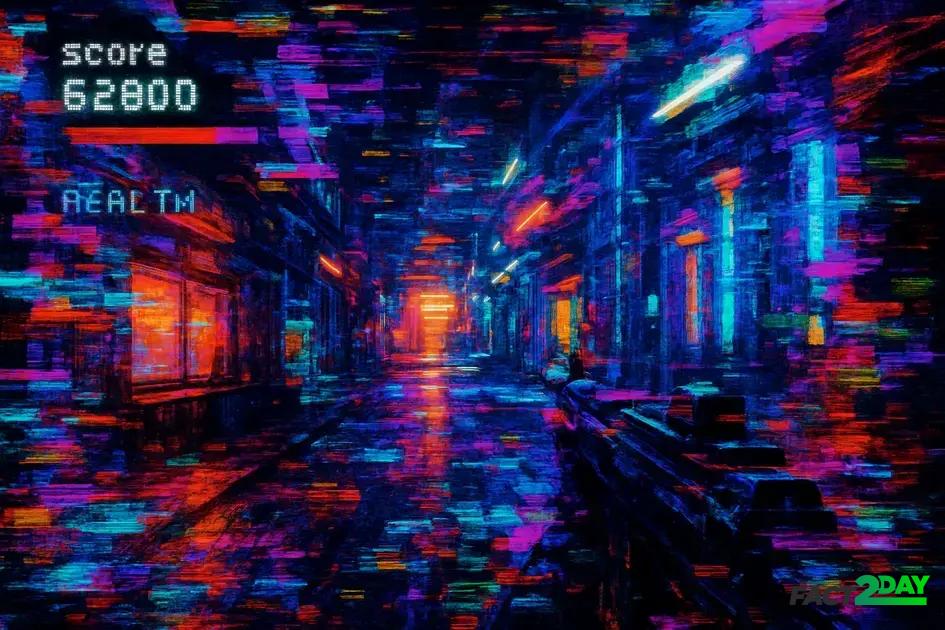
Glitch Art transforms errors and bugs in video games into intentional creative expressions, blending technology and art to reveal unexpected beauty and redefine digital aesthetics.
Have you ever noticed how a simple mistake in a video game can turn into something unexpectedly beautiful? Glitch Art explores this fascinating world where errors become artistic expressions that captivate and inspire. Are glitches really flaws, or could they be hidden masterpieces waiting to be discovered?
Understanding glitch art and its origins
Glitch art is a creative technique that embraces errors usually seen as flaws in digital media. It started as an experimental form where artists manipulated or exploited malfunctions in computers, software, and video games to create unique, unexpected visuals. These glitches often include pixel distortions, color shifts, and broken graphics, transforming mistakes into intentional artistic expressions.
The origins of glitch art trace back to early digital artists who used corrupted files, hardware failures, or software bugs to produce new aesthetics. This approach challenges traditional views of perfection in digital art by celebrating randomness and imperfection. For example, early video game glitches—like pixelated characters behaving unpredictably—sparked curiosity and inspired artists to explore these visual ‘accidents’ as a form of art.
The evolution of glitch art
Over time, glitch art evolved from simple file corruption to sophisticated manipulation using programming and hardware tools. Artists experiment with data bending, circuit bending, or software hacking to create distinct, vibrant images that question the relationship between technology and creativity. These artworks highlight the unexpected beauty hidden in errors and encourage viewers to see technology’s imperfections as a source of inspiration.
By understanding glitch art and its origins, we gain insight into how digital errors can become meaningful expressions. This perspective opens up new possibilities for creativity in video games and beyond, making glitches more than just mistakes—they become a powerful form of visual storytelling.
How video game glitches evolve into art
Video game glitches often start as simple bugs or errors during gameplay, but over time, players and artists have recognized their artistic potential. What was once frustrating—like characters clipping through walls or textures flickering—has become a source of creative expression. These visual anomalies are embraced for their unpredictability and unique aesthetic.
As glitches evolve into art, gamers and developers document and share these moments, turning them into cultural phenomena. Speedrunners, streamers, and modders highlight glitches that create stunning visuals or unexpected behaviors, sparking new interests and artistic projects.
Techniques turning glitches into art
Artists often manipulate glitches by intentionally triggering bugs or editing game files to produce distorted graphics or surreal scenes. Techniques include data bending, where game data is altered to corrupt visuals purposefully, and frame skipping, which creates fragmented images. This process transforms random errors into deliberate artworks that challenge our understanding of video game graphics.
Some games even inspire mods dedicated to enhancing glanceable errors and emphasizing glitch aesthetics. This evolution shows how video game glitches are no longer just problems; they become a compelling way to explore the boundaries of art and technology.
Famous examples of glitch art in gaming
There are many famous examples of glitch art within the gaming world that have inspired both players and artists. One iconic case is the “MissingNo.” glitch in Pokémon Red and Blue, where a corrupted graphical error created a strange and memorable visual effect that fascinated gamers and collectors alike.
Another well-known example is the visual distortions in Halo 2 when players triggered certain bugs, causing characters or environments to flicker and morph unpredictably. These effects often led to creative in-game screenshots and videos shared widely across gaming communities.
Glitch art in indie games
Some indie games incorporate glitches intentionally as a key part of their art style. Titles like Glitchspace and Hypnospace Outlaw embrace corrupted visuals and broken interfaces as a storytelling method, blending narrative with glitch aesthetics.
Glitch art also appears in mods and fan-made projects, such as corrupted textures or unexpected character behaviors that highlight a game’s underlying code. These moments help players see the digital world in a new and artistic way.
The role of bugs in creative storytelling
Bugs in video games often reveal unexpected ways to tell stories and create unique experiences. These errors can add surprise and depth, inviting players to explore narratives beyond the intended script. Bugs challenge the usual flow and open new paths in storytelling by breaking typical game rules.
Sometimes, bugs create moments of ambiguity that let players imagine their own stories. For example, a glitch causing a character to behave oddly or environments to loop can spark curiosity and emotional engagement. These unpredictable elements make the game world feel alive and less scripted.
Using bugs for narrative effect
Game developers and artists sometimes use bugs intentionally to craft layered stories. Bugs can symbolize confusion, unreliability, or disorder within a game’s plot, enhancing themes that players experience as part of gameplay. This creative use of bugs shows how flaws become narrative tools, enriching the player’s immersion.
In community-driven games, bugs often lead to shared stories and myths. Players discover and share unusual behaviors, building legends around the game’s world and adding a social storytelling layer that goes beyond the original design.
Technical glitches vs intentional art
Technical glitches in video games are usually unintended errors caused by bugs or hardware malfunctions. These glitches can disrupt gameplay or graphics, often viewed as problems that developers need to fix. However, when these glitches are embraced or recreated on purpose, they become intentional art, offering new ways to experience games.
Intentional glitch art uses the visual language of errors, such as pixel distortion, screen tearing, or color shifts, to create unique aesthetics. This form of art challenges the idea that glitches must be negative, encouraging players to appreciate the beauty in digital imperfections.
Key differences between glitches and glitch art
While technical glitches disrupt game function, glitch art is carefully crafted for artistic expression. Technical glitches happen randomly and are often frustrating, but glitch artists manipulate code or visuals to produce deliberate effects. This creative control makes glitch art a powerful medium that transforms flaws into creative tools.
Many artists and developers blend these ideas by integrating glitch effects intentionally within gameplay or visual design. This blend blurs the line between error and art, opening new possibilities for storytelling and player engagement.
The impact of glitch art on game design
Glitch art has significantly influenced game design by encouraging developers to rethink visual styles and storytelling methods. Instead of hiding errors, some designers now embrace glitch aesthetics to add depth and uniqueness to their games. This shift pushes boundaries and introduces a fresh creative language based on imperfection.
Many modern games integrate glitch visual effects to build atmosphere or convey narrative themes like chaos, mystery, or digital decay. For example, broken textures, pixel distortions, and screen flickers are used intentionally to immerse players in a surreal or unsettling world.
Glitch art inspiring new gameplay mechanics
Beyond visuals, glitch art impacts gameplay by inspiring mechanics that react to or incorporate glitches. Players might manipulate corrupted environments or exploit “broken” game rules, turning mistakes into strategic elements. This approach deepens player engagement and invites creative experimentation.
The rise of glitch art also fosters a collaborative culture where developers and players share mods, tools, and ideas to expand glitch-inspired design. Ultimately, glitch art challenges traditional polished game aesthetics and champions creativity found within digital imperfections.
Artists who specialize in glitch aesthetics
Many artists have dedicated their work to exploring and expanding glitch aesthetics. These creators use digital errors, coding mishaps, and visual distortions as their main tools. Their art challenges conventional beauty, showing how imperfections can produce striking and meaningful visuals.
Some prominent glitch artists experiment with hardware failures or corrupted files to pioneer new styles. They often bridge technology and creativity, combining coding skills with artistic vision to craft mesmerizing pieces.
Notable glitch artists and their work
Artists like Rosa Menkman have been influential in shaping the glitch art movement. Menkman’s work often highlights the aesthetics of errors, exploring how digital disruptions can convey complex ideas about technology and culture.
Other artists and collectives explore glitch through interactive installations, video art, and game design. Their work often invites viewers to rethink their relationship with technology and appreciate the unexpected beauty of glitches.
Glitch aesthetics continue to inspire diverse creative fields, proving that flaws and mistakes are powerful tools for artistic expression in the digital age.
Tools to create your own glitch art
Creating your own glitch art is easier than ever thanks to a variety of digital tools designed to manipulate images and videos. These tools allow artists and hobbyists to intentionally introduce errors and distortions to produce unique glitch effects.
Popular glitch art software and apps
Some popular tools include Audacity, which is primarily an audio editor but can be used for data bending by importing image files as raw data to create glitch visuals. Another widely used tool is Glitché, a mobile app that offers easy-to-use filters and effects to generate glitch aesthetics on the go.
Other software like Photoshop supports glitch art creation through layer manipulation, color channel shifting, and pixel sorting plugins. Additionally, programs like Processing and Max/MSP allow more advanced users to write custom code to generate glitch effects creatively.
Online glitch generators and resources
For beginners, online glitch generators provide a simple way to upload images and apply glitch effects with customizable settings. Websites like Photomosh and ImageGlitcher offer instant glitch art creation without the need for software installation.
Many glitch artists also share resources, tutorials, and presets online, helping newcomers learn techniques and experiment with different kinds of digital errors. By combining these tools, artists can explore endless possibilities in crafting glitch art.
How glitch art influences digital culture
Glitch art plays a significant role in shaping digital culture by challenging traditional ideas of perfection and beauty in technology. It celebrates errors and imperfections, encouraging people to see the digital world in a new, creative light. This art form influences how we engage with media, technology, and online communities.
In digital culture, glitch art often appears in music videos, social media posts, and digital installations, making it a popular aesthetic for expressing themes of disruption and change. It also raises questions about our reliance on flawless technology, highlighting the beauty found in unexpected mistakes.
Impact on online communities and creative expression
Glitch art fosters active participation as artists and fans share their glitch creations across platforms like Instagram, Tumblr, and Reddit. This sharing builds communities focused on experimentation and innovation, where digital errors become a language of expression.
The rise of glitch aesthetics has influenced fashion, graphic design, and advertising, merging digital art with popular culture. By embracing flaws, glitch art invites us to rethink creativity in an increasingly digital world.
Collecting and preserving glitch art
Collecting and preserving glitch art presents unique challenges due to its digital and often ephemeral nature. Unlike traditional art, glitch art relies on technology that can change or become obsolete, making preservation a complex task.
Many collectors focus on archiving glitch art through digital platforms that store images, videos, and interactive pieces. Museums and galleries have begun to recognize glitch art’s cultural value, creating dedicated exhibitions and digital archives to preserve these works.
Methods used to preserve glitch art
Artists and archivists use techniques like maintaining original hardware, documenting software versions, and saving source files to protect the authenticity of glitch pieces. Emulators and virtual machines help recreate original environments where glitch art was created and experienced.
Preserving glitch art also involves embracing its transient qualities. Some view the evolving or decaying nature of glitches as part of the art itself. This perspective highlights the balance between conservation and accepting the changing digital landscape.
The psychology behind finding beauty in flaws
People often find beauty in flaws because imperfections can create uniqueness and authenticity. This idea is central to the psychology behind why many are drawn to glitch art. Flaws in digital media break uniformity, making the art more interesting and emotionally engaging.
The role of imperfection in human perception
Humans naturally appreciate things that are not perfect because they feel more real and relatable. Glitches introduce randomness and surprise, which capture attention and provoke curiosity. This unpredictability can evoke feelings of wonder and fascination.
The concept of wabi-sabi, a Japanese philosophy, embraces the beauty of impermanence and imperfection. Glitch art shares this mindset by highlighting errors as artistic features rather than mistakes.
Emotional responses to glitch aesthetics
Glitches can also symbolize disruption or vulnerability, connecting with viewers on a deeper emotional level. This connection helps people find meaning and beauty in broken or distorted visuals, showing how flaws can tell compelling stories.
Overall, the psychology behind appreciating glitches reveals how imperfections challenge our expectations and invite a fresh perspective on art and technology.
Glitch art in VR and future gaming tech
Glitch art is rapidly evolving with advances in virtual reality (VR) and future gaming technologies. In VR, glitch effects can create immersive, surreal environments that challenge players’ perceptions and deepen the gaming experience. These digital imperfections add layers of interaction, making virtual worlds feel alive and unpredictable.
Future gaming tech allows developers to experiment with real-time glitch manipulation, where game worlds dynamically distort or shift based on player actions or system behaviours. This creates unique storytelling opportunities and encourages players to explore the boundaries between reality and virtuality.
Glitch art as a tool for innovation
Using glitch art in VR and advanced gaming tech also opens creative possibilities in design and gameplay mechanics. For example, games might use glitches to signal story elements, hidden secrets, or emotional states within characters and environments. This blends aesthetics with function, enhancing immersion.
Furthermore, as VR hardware and software improve, glitch art may become a standard aesthetic, influencing not only game design but also virtual social spaces, art galleries, and digital performances, pushing the boundaries of how we perceive digital art and interaction.
Community and fan contributions to glitch art
Community and fan contributions play a vital role in the growth and evolution of glitch art. Online forums, social media groups, and fan sites allow artists and enthusiasts to share ideas, techniques, and creations, fostering a collaborative environment that pushes glitch art forward.
Many fans create and share glitch art mods and custom content for video games. These contributions often enhance the visual style of games and introduce new ways to experience glitches as artistic expressions. This grassroots involvement helps keep glitch art fresh and dynamic.
Collaboration and cultural exchange
Communities focus on experimenting with different glitch techniques, offering tutorials, and discussing the philosophy behind glitch aesthetics. This exchange spreads knowledge and inspires new artists globally.
Fan-driven exhibitions and online galleries showcase collective works, helping glitch art gain recognition beyond its niche. These contributions illustrate how shared creativity shapes digital art culture and highlights the power of community in evolving glitch art.
The lasting appeal of glitch art in video games
Glitch art turns mistakes and bugs into beautiful and creative expressions, showing us new ways to see digital worlds. It challenges the usual ideas of perfection in technology and opens doors to unique storytelling and design.
From fans and artists to developers, the glitch art community continues to grow and inspire, blending art with gaming in exciting ways. As technology advances, glitch art will keep evolving, proving that sometimes, the most interesting creations come from unexpected errors.
By embracing glitches, we celebrate creativity found in imperfection and invite fresh ways to experience video games and digital culture.