Ghost Pepper: The World’s Hottest Chili and Its Effects
Ghost pepper is known as the world’s hottest chili, sparking curiosity and caution with its intense heat and unique effects.
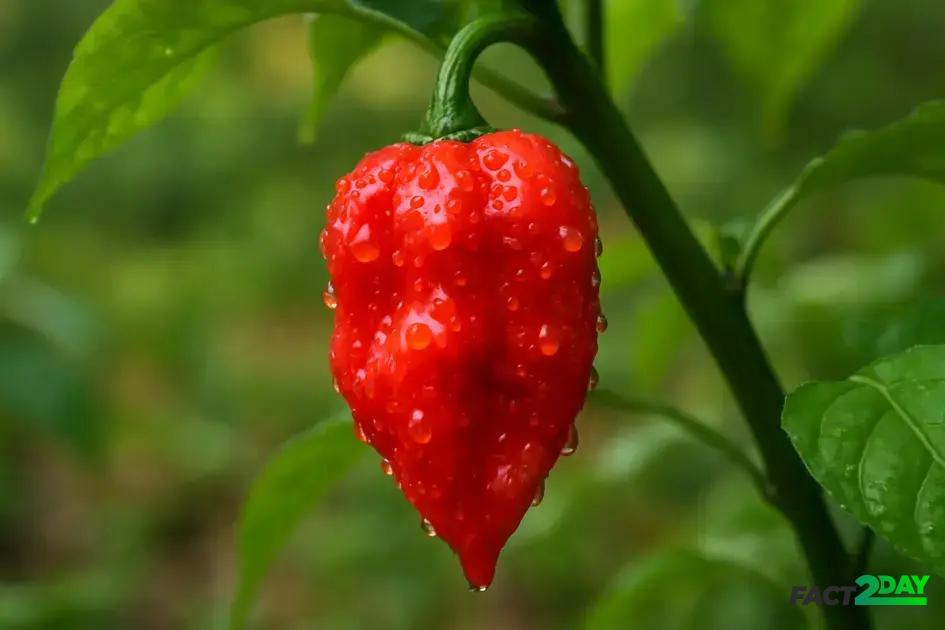
Ghost pepper, known as Bhut Jolokia, is one of the world’s hottest chili peppers, reaching over 1 million Scoville Heat Units with a unique smoky, fruity flavor and intense heat that impacts the body by activating pain receptors.
Have you ever wondered what makes the ghost pepper the world’s hottest chili? Its fiery reputation and unique effects spark fascination and a touch of caution for many spice lovers. Let’s explore this intense pepper together.
what is ghost pepper and its origins
The ghost pepper, also known as Bhut Jolokia, is a chili pepper native to Northeast India. It gained global fame as one of the hottest peppers in the world, reaching over 1 million Scoville Heat Units (SHU). Its name “ghost” refers to the intense, lingering heat that feels almost eerie to those who try it.
Origins and Background
Originally cultivated in the remote regions of Assam, Nagaland, and Manipur, the ghost pepper is deeply embedded in local culture and cuisine. It was traditionally used by villagers not only as food but also as a natural defense against wild animals.
How It Became Known Worldwide
The ghost pepper’s extreme spiciness caught the attention of chili enthusiasts and scientists alike, leading to its official recognition in 2007 by Guinness World Records as the hottest chili. Its reputation spread through culinary challenges, spicy food contests, and social media.
Today, the ghost pepper is celebrated both for its heat and its unique smoky, fruity flavor, making it a sought-after ingredient for bold cooking and adventurous eaters.
the science behind its extreme heat
The extreme heat of the ghost pepper comes from a compound called capsaicin, which binds to pain receptors in the mouth and skin. This molecule tricks your brain into sensing intense heat, even though there is no actual temperature increase.
Capsaicin Concentration
Ghost peppers have a very high concentration of capsaicin, which can reach over 1 million Scoville Heat Units (SHU). This level far exceeds most other chili peppers, making the burning sensation much stronger and longer-lasting.
How Capsaicin Affects the Body
When consumed, capsaicin stimulates the release of endorphins, the body’s natural painkillers. This explains why some people enjoy the fiery challenge and the subsequent feeling of euphoria. However, it also activates nerve endings causing a burning sensation, sweating, and increased heart rate.
Unique Chemical Profile
Besides capsaicin, ghost peppers contain other related chemicals called capsaicinoids, which add layers to the heat experience. These compounds work together to create the pepper’s signature intensity and lingering burn sensation.
Understanding this science helps chili enthusiasts prepare for the powerful impact of the ghost pepper and appreciate its unique place among hot peppers worldwide.
how ghost pepper affects your body
When you eat a ghost pepper, the high level of capsaicin it contains triggers a strong reaction in your body. This compound binds with receptors in your mouth called TRPV1, which normally detect heat, causing an intense burning sensation.
Immediate Physical Effects
The initial pain can cause your mouth to feel like it’s on fire, leading to excessive salivation, sweating, and even tearing of the eyes. Your heart rate and breathing may increase as your body reacts to the stress caused by the heat.
Digestive Response
After the burning sensation in the mouth, the heat can move down to your throat and stomach, sometimes causing discomfort, nausea, or a burning feeling in the digestive tract. Capsaicin can stimulate the release of stomach acids, which in high amounts could lead to digestive upset.
Health Effects and Endorphin Release
The body may respond to the pain by releasing endorphins, natural chemicals that create a sense of pleasure or relief. This is why some people seek out spicy foods despite the discomfort. However, eating large amounts of ghost pepper is not recommended as it can cause more severe reactions like stomach pain or even temporary numbness.
It’s important to handle ghost peppers with care and consume them in small quantities, especially if you are new to spicy foods. Understanding these effects prepares you for the intense experience this pepper delivers.
culinary uses and flavor profile
The ghost pepper offers a complex flavor profile that goes beyond its intense heat. It has a smoky, slightly fruity taste that adds depth to dishes when used in moderation. This makes it a favorite among chefs and spice enthusiasts looking to create bold, flavorful meals.
Common Culinary Uses
Ghost peppers are often used in hot sauces, salsas, and marinades to deliver a fiery kick. They can also be added to stews, soups, and chili to enhance spiciness and bring out other flavors. In Indian cuisine, especially in the Northeast regions, ghost peppers are incorporated into pickles and chutneys.
Balancing Heat and Flavor
Because of their extreme heat, ghost peppers are typically used in small amounts. Cooking with them requires careful handling and a good balance of ingredients to avoid overpowering a dish. Combining ghost pepper with sweet, acidic, or creamy elements can help mellow the heat and highlight the pepper’s unique taste.
Whether fresh, dried, or powdered, ghost peppers add more than just heat—they bring complexity that makes spicy dishes memorable and exciting for those who appreciate intense flavors.
cultivating ghost pepper: tips and challenges
Cultivating the ghost pepper requires patience and specific conditions due to its tropical origin and extreme heat. It thrives in warm, humid environments with plenty of sunlight and well-drained soil.
Ideal Growing Conditions
Ghost peppers grow best when temperatures remain consistently between 75°F and 90°F. They need at least 6 hours of direct sunlight daily. The soil should be rich in organic matter and maintain moisture without becoming waterlogged.
Planting and Care
Starting ghost pepper seeds indoors 8-10 weeks before the last frost can improve germination. Seeds require warmth and moisture to sprout, often taking 14-21 days. Transplant seedlings carefully after the risk of frost has passed.
Challenges in Cultivation
These plants are susceptible to pests like aphids and spider mites, and diseases such as bacterial spot. Regular monitoring and organic pest control methods can help maintain plant health. Additionally, growing ghost peppers demands a long season for full fruit development, often 90-120 days, which might be challenging in cooler climates.
Despite these challenges, with proper care, ghost pepper plants can produce intensely hot peppers prized worldwide.
health benefits and risks
The ghost pepper offers some notable health benefits due to its high capsaicin content, but it also carries potential risks that should be considered before consumption.
Health Benefits
Capsaicin can boost metabolism and aid in weight loss by increasing the body’s heat production and energy expenditure. It has also been shown to have anti-inflammatory properties, potentially relieving pain and reducing inflammation.
Some studies suggest capsaicin may improve heart health by lowering blood pressure and cholesterol levels. Additionally, it can stimulate digestion and promote better gut health.
Potential Risks
Eating ghost peppers in large amounts can cause severe stomach pain, burning sensations, and digestive issues such as nausea and diarrhea. It may also trigger allergic reactions in sensitive individuals.
Consuming extreme heat from ghost peppers can lead to temporary numbness or irritation in the skin or mucous membranes. People with existing digestive disorders or heart conditions should be cautious and consult a healthcare professional before trying intensely spicy foods.
Balancing these benefits and risks is important, especially for those new to spicy foods or with sensitive health conditions.
ghost pepper in popular culture
The ghost pepper has become a symbol of extreme heat and daring challenges in popular culture. Its intense spiciness has made it a favorite in spicy food contests and online challenges, where participants test their tolerance by eating ghost peppers or dishes made with them.
Media and Entertainment
Ghost peppers often appear in television shows, YouTube videos, and social media content featuring spicy food challenges. These appearances have helped spread awareness and curiosity about this fiery chili around the world.
Influence on Food Trends
The ghost pepper has influenced the creation of numerous hot sauces, snacks, and culinary products aimed at thrill-seekers and spice lovers. Its reputation for extreme heat also makes it a popular novelty item and gift.
Beyond food, the ghost pepper has inspired merchandise such as T-shirts and kitchen accessories, cementing its place in the world of spicy food culture.
safety tips for handling and consuming ghost pepper
Handling and consuming ghost peppers requires caution due to their extreme heat. Proper safety practices help prevent discomfort and accidents in the kitchen.
Handling Tips
Always wear gloves when cutting or handling ghost peppers to avoid skin irritation. Avoid touching your face, especially eyes and mouth, after handling the peppers. Use a sharp knife to minimize crushing the pepper and releasing excessive capsaicin.
Preparation and Consumption
Start by using very small amounts when adding ghost pepper to dishes. If you are new to spicy foods, build your tolerance gradually. Have dairy products like milk or yogurt nearby, as they help neutralize the burning sensation better than water.
Storage and Disposal
Store ghost peppers in airtight containers in the refrigerator to maintain freshness and prevent the spread of spicy oils. Dispose of any waste carefully and wash your hands thoroughly after handling.
Following these simple safety measures ensures you can enjoy the unique heat and flavor of ghost peppers without unpleasant side effects or injury.
Wrapping Up on Ghost Pepper’s Impact
The ghost pepper is truly one of the hottest and most fascinating chilies in the world. Its intense heat and unique flavor make it a favorite among adventurous cooks and spice lovers.
While it offers some health benefits, it is important to handle and consume ghost peppers safely to avoid discomfort or injury. Whether you are curious about its origins, science, or culinary uses, understanding this fiery pepper helps you appreciate its special place in food culture.
With proper care and respect for its power, the ghost pepper can add excitement and bold flavor to your meals.