Microbes Living in Near-Boiling Hot Springs
Geothermal microbes thrive in extreme heat, revealing nature's resilience and the delicate balance within near-boiling hot springs.
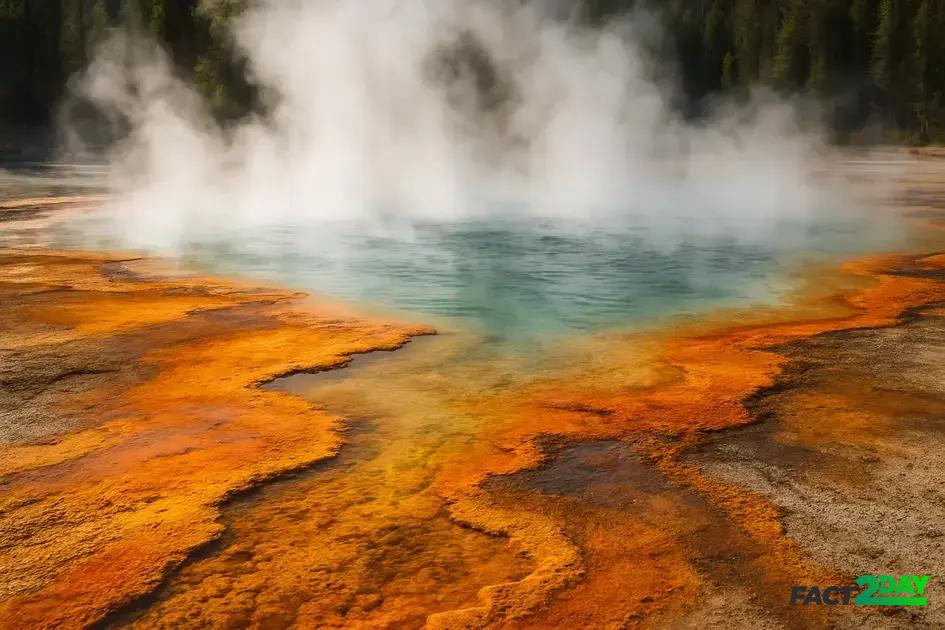
Geothermal microbes are heat-adapted microorganisms thriving in near-boiling hot springs, exhibiting unique proteins and metabolic processes that enable survival in extreme temperatures and offering valuable applications in biotechnology, environmental science, and astrobiology.
Have you ever wondered about the tiny life forms thriving in scalding hot springs? Geothermal microbes survive in near-boiling waters, offering a glimpse into nature’s incredible adaptability and unseen worlds. Join me to discover how these resilient organisms live and why they matter.
what are geothermal microbes?
Geothermal microbes are microscopic organisms that live in environments with extremely high temperatures, such as near-boiling hot springs. These microbes include bacteria and archaea, which have evolved unique features that let them survive where most life cannot. They play important roles in the chemistry and ecology of geothermal areas by breaking down minerals and cycling nutrients.
Types of geothermal microbes
Many geothermal microbes belong to groups known as thermophiles and hyperthermophiles, meaning they thrive at temperatures above 131°F (55°C) and can tolerate temperatures up to 250°F (121°C). Examples include Thermus aquaticus, famous for its heat-resistant enzyme used in PCR technology.
Where geothermal microbes live
These microbes are commonly found in diverse geothermal habitats like hot springs, geysers, and hydrothermal vents. They form colorful microbial mats, which consist of communities of diverse species, each adapted to specific temperature and chemical conditions.
Importance of geothermal microbes
Besides their ecological roles, geothermal microbes have potential applications in biotechnology and medicine. Their enzymes can be used in industrial processes and research methods that require stability at high temperatures.
Understanding geothermal microbes helps scientists explore limits of life on Earth and guides the search for life in extreme environments elsewhere in the universe.
how microbes survive extreme temperatures
Microbes that live in near-boiling hot springs have unique ways to survive extreme temperatures that would normally kill most organisms. Their cells contain special proteins that do not break down when heated. These proteins, called thermozymes, help the microbes maintain essential life functions even in harsh heat.
Cell membrane adaptations
Their cell membranes are made of special fats that remain stable and do not melt at high temperatures. This keeps their cells intact and functional despite the heat stress.
Heat shock proteins
Heat shock proteins act like shields inside the cells, protecting other proteins from damage and helping repair those that become unfolded by heat.
DNA stability
These microbes use unique molecules to protect their DNA from breaking apart under heat. Some even have additional enzymes to fix heat-related DNA damage quickly, ensuring their genetic material stays safe.
Metabolic adjustments
Microbes change how they generate energy to cope with the heat. They use metabolic pathways optimized for high temperatures, allowing them to thrive where other organisms cannot.
All these adaptations demonstrate the incredible resilience of geothermal microbes and provide insights into life’s limits on Earth.
the role of geothermal microbes in ecosystems
Geothermal microbes play vital roles in the ecosystems of hot springs and geothermal environments. They help recycle nutrients by breaking down minerals and organic materials, which supports other forms of life in these extreme habitats.
Primary producers of the ecosystem
Some geothermal microbes are autotrophs, meaning they produce their own food using energy from chemicals in the hot springs. This process, called chemosynthesis, forms the base of the food chain in these environments.
Support for diverse life forms
By recycling elements like sulfur and nitrogen, geothermal microbes create conditions suitable for other microorganisms and sometimes small animals. These interactions foster a unique and balanced ecological community.
Influence on mineral formations
These microbes can also impact the geology of their surroundings. They contribute to the formation of mineral deposits and influence the chemistry of the hot springs through their metabolic activities.
Environmental indicators
The presence and health of geothermal microbes can indicate changes in geothermal environments. Scientists study them to monitor ecosystem stability and detect shifts caused by natural or human activities.
Understanding these roles highlights how essential geothermal microbes are to maintaining life and balance in extreme environments.
methods to study geothermal microbes
Studying geothermal microbes requires specialized methods because they live in extreme environments. Scientists use a variety of techniques to understand their biology and behavior without disturbing their natural habitat.
Sampling in extreme conditions
Researchers collect water and sediment samples carefully near hot springs while keeping the microbes alive. This often involves using insulated containers and quick transportation to labs to preserve the delicate organisms.
Microscopy and imaging
Advanced microscopes help scientists observe microbes directly. Techniques like fluorescence microscopy reveal details about cell structure and activity by using special dyes that bind to specific molecules.
Genetic analysis
DNA sequencing allows researchers to identify species and understand their functions. Metagenomics, which studies genetic material recovered directly from the environment, reveals the diversity of microbial communities without needing to grow them in the lab.
Culturing techniques
Scientists create lab conditions that mimic hot springs by maintaining high temperatures and appropriate chemical environments. This lets them grow and study microbes under controlled settings, helping to understand their metabolism and interactions.
Biochemical assays
These tests analyze enzymes and proteins from geothermal microbes to learn how they work at high temperatures. This knowledge drives applications in biotechnology, like developing heat-stable enzymes for industrial use.
Environmental monitoring
Continuous sensors track temperature, pH, and chemical changes in hot springs. This data helps correlate environmental factors with microbial activity over time.
adaptations that help microbes thrive
Geothermal microbes possess several key adaptations that allow them to thrive in the extreme heat of near-boiling hot springs. These features enable them to maintain life processes under conditions that are lethal to most organisms.
Heat-stable proteins
These microbes produce special proteins that do not denature at high temperatures, preserving their function. These heat-stable enzymes are crucial for metabolism and cellular repair.
Robust cell membranes
Their cell membranes contain unique lipids that remain stable and flexible despite the heat. This prevents cells from bursting or leaking vital substances.
Efficient DNA repair mechanisms
High heat causes DNA damage, but these microbes have enhanced repair systems that quickly fix DNA breaks and mutations, protecting their genetic information.
Protective molecules
Some produce heat-shock proteins and other molecules that act as shields. These molecules prevent damage to essential cellular components during sudden temperature spikes.
Optimized metabolic pathways
Geothermal microbes use metabolic reactions fine-tuned for hot environments. They harness available chemicals efficiently to meet their energy needs even under harsh conditions.
Community structures
Many live in dense mats or biofilms, which provide physical protection and create microenvironments that buffer temperature extremes.
These adaptations together allow geothermal microbes to survive and flourish where few others can.
potential applications of geothermal microbes
Geothermal microbes have important potential applications across many fields due to their unique adaptations to extreme heat. Their special enzymes and biochemical processes offer valuable tools for science and industry.
Industrial biotechnology
Thermostable enzymes from geothermal microbes are used in industrial reactions that need high temperatures. For example, enzymes like Taq polymerase are essential for DNA amplification in PCR, revolutionizing genetic research and diagnostics.
Environmental remediation
Some microbes can break down pollutants or heavy metals in hot, harsh environments, making them useful for cleaning contaminated geothermal sites or industrial waste.
Pharmaceutical development
Unique compounds produced by these microbes may lead to new antibiotics, antiviral agents, or other drugs. Their metabolic pathways provide a source of novel bioactive molecules not found in other organisms.
Bioenergy production
Geothermal microbes contribute to developing biofuels by converting organic material into energy-rich compounds at high temperatures, potentially improving efficiency in fuel production.
Astrobiology research
Their ability to survive extreme heat and chemical conditions helps scientists understand possible life forms on other planets, guiding the search for extraterrestrial life.
Harnessing geothermal microbes opens new frontiers in science, health, and technology.
challenges in researching extreme-environment microbes
Researching microbes in extreme environments like near-boiling hot springs presents several challenges that make scientific study difficult and complex.
Sampling difficulties
Collecting samples without damaging the microbes requires special equipment to handle the extreme heat and maintain natural conditions. Transporting samples to labs without contamination or temperature changes is also a significant challenge.
Maintaining living conditions
Recreating the high temperatures and chemical makeup of geothermal environments in the lab is hard. Many microbes cannot survive outside their natural hot spring habitat, making it difficult to study them in controlled settings.
Low microbial abundance
Some geothermal environments host sparse microbial populations. This makes detecting and isolating specific microbes complicated, often requiring sensitive molecular techniques.
Genetic complexity
The diversity of microbial genes, including many unknown or novel sequences, complicates DNA analysis. Researchers often face difficulties in identifying and classifying newly discovered species.
Environmental variability
Rapid changes in temperature, pH, and chemicals in hot springs can alter microbial communities quickly. This variability challenges long-term observations and data consistency.
Safety concerns
Working in extreme environments poses risks to researchers, including burns, toxic gases, and unstable terrain. Ensuring safety adds complexity to fieldwork planning.
Overcoming these challenges requires advanced technology and careful methods to unlock the secrets of life in extreme heat.
Understanding geothermal microbes opens new horizons
Learning about geothermal microbes helps us see how life can adapt to extreme heat and harsh conditions. These tiny organisms play important roles in their ecosystems and offer useful tools for science and industry.
While researching them is challenging, advances in technology make it possible to uncover their secrets. By studying geothermal microbes, we gain insights that may lead to breakthroughs in medicine, energy, and environmental care.
Exploring these resilient microbes reminds us of nature’s power to survive and thrive in the most surprising places.