Glowing Ice Caves Heated by Volcanic Vents
Discover the enchanting world of geothermal ice caves, where volcanic heat creates glowing wonders beneath icy surfaces.
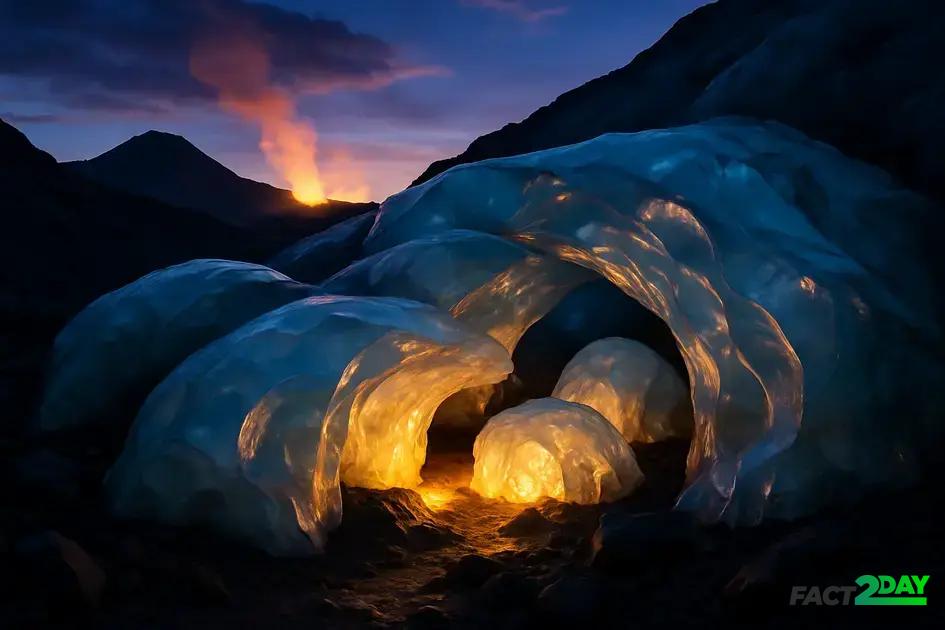
Geothermal ice caves form when volcanic heat warms icy environments, creating glowing ice formations and sustaining unique ecosystems within stable, microclimate conditions influenced by volcanic vents and seasonal changes.
Have you ever wondered about the mysterious glow inside geothermal ice caves? These natural wonders blend cold and heat in a unique dance, offering a glimpse of nature’s hidden magic beneath the surface.
understanding geothermal ice caves and their formation
Geothermal ice caves are fascinating natural formations created through unique geological processes. These caves form when volcanic heat from beneath the earth warms the surrounding rock, preventing ice from melting despite cold external temperatures. This delicate balance allows ice to persist inside the cave, often resulting in stunning translucent formations that glow softly under the right light.
Formation process
The process begins with volcanic activity heating the ground and releasing warm gases and steam. When this heat reaches pockets within glaciers or frozen ground, it melts some ice locally while freezing moisture elsewhere, creating intricate ice shapes. Over time, these interactions carve out the ice cave’s interior.
Key factors influencing formation
Several factors influence the formation of geothermal ice caves: the intensity and location of volcanic vents, the thickness of surrounding ice, seasonal temperature variations, and airflow patterns inside the cave. These elements work together to sustain the cave’s unique microclimate.
Understanding these processes helps scientists study climate change and geothermal activity. For travelers and adventurers, knowing how these caves form offers appreciation for their rare beauty and guides safe exploration practices.
the role of volcanic vents in heating ice caves
Volcanic vents play a crucial role in heating geothermal ice caves by releasing heat and gases from deep within the Earth’s crust. These vents emit warm steam and hot gases that rise through cracks and fissures in the rock, warming the surrounding ice and rock formations. This heat prevents the ice inside the cave from melting completely, creating a stable environment where glowing ice formations can persist.
How volcanic vents affect cave temperature
The heat emitted by volcanic vents maintains a delicate balance inside the cave. It warms the cave walls and the air, reducing ice melting during warmer months and sustaining ice growth when external temperatures drop. This results in unique temperature gradients that help shape the cave’s structure.
Interaction between heat and ice formations
As the warm gases rise, they cause localized melting in some areas while encouraging ice to refreeze in others, creating intricate ice patterns and formations. This dynamic interaction is responsible for the glowing appearance, as light refracts through varying ice thicknesses shaped by the heat.
Understanding volcanic vents’ role is essential for studying geothermal activity and predicting changes in these fragile ecosystems. This knowledge also supports safe exploration and preservation efforts by highlighting areas of higher heat and instability.
unique ecosystems inside geothermal ice caves
Geothermal ice caves host unique ecosystems that thrive in their cool, stable environments warmed by volcanic heat. Despite extreme conditions, specialized microorganisms, mosses, and fungi have adapted to live in these caves, forming simple but fascinating ecosystems.
Microbial life
Many microbes in these caves survive by metabolizing minerals and gases released from volcanic vents. These extremophiles are important for nutrient cycling and contribute to the delicate balance of the cave environment.
Plants and fungi
In some geothermal ice caves, limited light and moisture allow for the growth of hardy mosses and fungi. These organisms adapt to low temperatures and nutrient-poor conditions, creating small patches of life amid the ice.
Studying these ecosystems helps scientists understand life’s resilience and offers clues about possible life in extreme environments elsewhere, such as on other planets. Protecting these fragile habitats is vital to preserve their unique biodiversity and geological beauty.
how to safely explore geothermal ice caves
Exploring geothermal ice caves can be an unforgettable adventure, but it requires careful preparation to ensure safety. These caves can be unstable, with slippery ice and unpredictable temperatures due to volcanic activity below.
Essential safety tips
Always go with an experienced guide familiar with the cave’s terrain. Use proper gear such as crampons, helmets, and layered clothing to protect against cold and wet conditions. Carry reliable light sources as some areas inside the cave can be very dark.
Environmental awareness
Pay attention to signs of volcanic activity, such as unusual steam or sounds, as these can indicate increased heat or danger. Avoid touching delicate ice formations to preserve the cave’s natural beauty and prevent accidents.
Proper planning includes checking weather forecasts and notifying someone outside about your trip schedule. Always travel with a group, and be prepared to turn back if conditions become unsafe. Following these guidelines helps ensure a safe and enjoyable experience inside geothermal ice caves.
seasonal changes and their effects on ice cave glow
Seasonal changes significantly affect the glow and appearance of geothermal ice caves. Variations in temperature, sunlight, and volcanic activity throughout the year can alter how light interacts with the ice formations inside these caves.
Winter and colder months
During winter, colder external temperatures help maintain the ice’s thickness and clarity. The glow inside the cave often intensifies because the ice becomes more translucent, allowing light to pass through and refract beautifully from the warm volcanic vents.
Spring and summer effects
In warmer months, increased melting may occur near the cave’s entrance or where volcanic heat is less intense. This can cause some ice formations to thin or change shape. However, the core cave areas heated by volcanic vents generally sustain their glowing ice, creating dynamic contrasts between melting zones and stable ice.
Understanding these seasonal dynamics helps explorers and researchers plan visits and study how geothermal activity and climate impact these mesmerizing natural wonders.
preserving the delicate balance of geothermal ice caves
Preserving geothermal ice caves requires careful attention to their fragile ecosystems and delicate structures. These caves depend on a delicate balance between volcanic heat and icy conditions, making them vulnerable to environmental changes and human impact.
Human impact and preservation
Visiting geothermal ice caves can damage ice formations and disturb microbial life if proper guidelines are not followed. Limiting foot traffic, avoiding touching ice formations, and staying on designated paths helps protect the cave’s natural features.
Environmental threats
Climate change poses a significant threat by altering temperature and volcanic activity patterns. Increased warming can disrupt the cave’s balance, causing ice melt and loss of unique ecosystems. Continuous monitoring is needed to understand these changes and develop conservation strategies.
Strong collaboration between scientists, local authorities, and tourists is essential to implement sustainable practices, ensuring these caves remain mesmerizing and intact for future generations to explore and appreciate.
Preserving the wonder of geothermal ice caves
Geothermal ice caves are rare and beautiful natural wonders shaped by a delicate balance of volcanic heat and ice. Understanding their formation, ecosystems, and seasonal changes helps us appreciate their unique glow and fragile nature.
Responsible exploration and conservation efforts are key to protecting these caves for future generations. By respecting safety guidelines and minimizing our impact, we can enjoy the extraordinary beauty of geothermal ice caves while preserving their hidden magic.