The Crystal Caves: Where Nature Carved Glowing Giants from the Earth’s Bowels
Explore a geologia de cristais gigantes nas cavernas de cristal, onde a natureza cria formas impressionantes que surpreendem pela beleza e complexidade.
Geology of giant crystals, giant crystal formation, massive crystal geology, crystallogenesis, mineral growth large scale, Naica Mine crystals, Cueva de los Cristales geology, gypsum crystals formation, pegmatite giant crystals, hydrothermal crystal growth, geological conditions large crystals, crystal caves geology, mineralogy of giant crystals, super-sized minerals, geological wonders
Have you ever wondered how giant crystal geology reveals secrets hidden deep within the Earth? Perhaps this natural magic still goes unnoticed by many, but crystal caves hold brilliant and fascinating stories.
How giant crystals form deep within the Earth
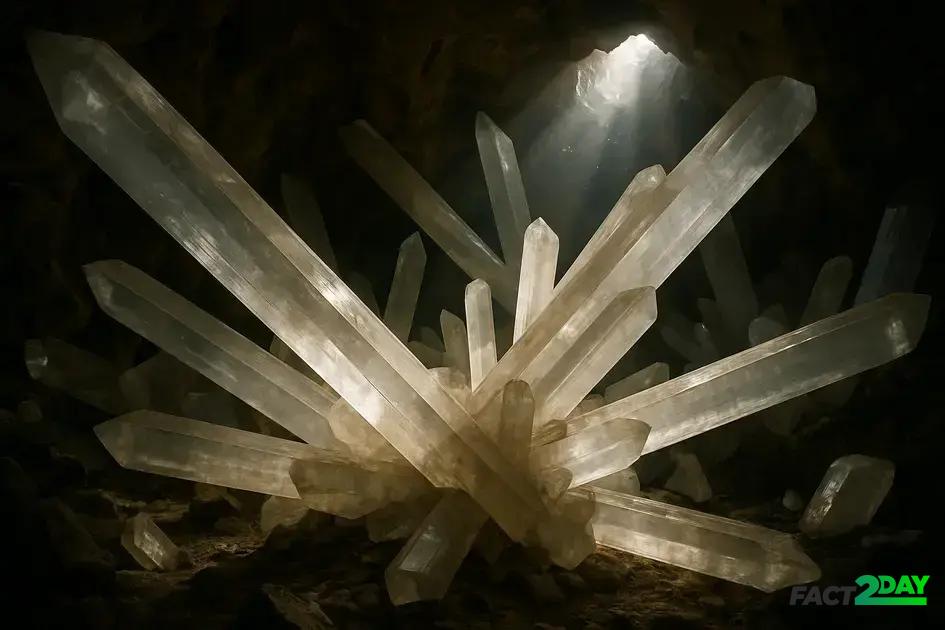
The formation of giant crystals deep within the Earth is a fascinating geological process that occurs over thousands, sometimes millions, of years. These crystals develop when mineral-rich water fills cavities in rocks and cools very slowly, allowing the crystals to grow to extraordinary sizes. Temperature, pressure, and the chemical composition of the surrounding environment play crucial roles in this delicate process.
One key factor is the slow cooling rate in subterranean environments. Rapid cooling prevents the formation of large crystals, so places like caves with stable and controlled conditions are ideal for crystal growth. Minerals such as gypsum, quartz, and selenite are among those that can form colossal crystals when the conditions are right.
Additionally, the availability of space within rock cavities or chambers allows crystals to expand freely without breaking. Over time, layers of mineral deposits accumulate, increasing the size of each crystal. This explains why some caves harbor crystals that can reach several meters in length.
Scientists study these processes to understand Earth’s history and the dynamics of mineral formation. Understanding the geology of crystals giants opens doors to innovations in material science and helps appreciate the hidden wonders beneath our feet.
The influence of the geological environment on crystal caves
The geological environment surrounding crystal caves plays a vital role in shaping and preserving these magnificent formations. Factors like rock type, temperature stability, humidity, and the presence of mineral-rich waters influence how crystals grow and maintain their structure.
Rock composition affects mineral availability and the formation of cavities where crystals develop. For example, limestone and gypsum-rich rocks often host caves filled with large crystals. These rocks dissolve slowly, creating space for crystals to expand.
Temperature and humidity levels inside caves must remain stable over long periods to foster crystal growth. Fluctuations can cause cracks and damage to fragile crystals. The unique microclimate inside these caves protects the crystals from external changes.
Water circulation is another crucial element. Mineral-laden water seeps through cracks and deposits essential minerals layer by layer, contributing to crystal size. The balance between water flow and evaporation ensures an optimal environment for crystals to reach their giant proportions.
Understanding the influence of geological environments helps scientists locate and preserve these natural wonders. It highlights the delicate balance of factors required for the formation of these enormous and sparkling structures deep underground.
The scientific importance and fascination of geology of giant crystals
Giant crystals are more than just stunning natural wonders; they hold significant scientific value. Researchers study these formations to uncover clues about Earth’s geological history and the environmental conditions that existed millions of years ago. The size, composition, and structure of these crystals provide important data about mineral growth and the dynamics of subterranean ecosystems.
From a scientific perspective, giant crystals help experts understand the processes of crystal nucleation and growth under varying pressures and temperatures. They also offer insights into chemical exchanges between rock formations and mineral-rich waters. This knowledge has broader applications in fields like geology, chemistry, and materials science.
The fascination with giant crystals goes beyond science. Their immense size and brilliant clarity inspire curiosity and wonder. People are drawn to these caves to witness firsthand how nature sculpts magnificent, glittering structures deep within the Earth. The combination of rarity and beauty makes these crystals a source of artistic and educational value.
Preserving these crystals is crucial because they are fragile and form over extensive periods. By protecting them, we ensure that both scientists and the public can continue to learn from and appreciate these remarkable formations for generations to come.
Understanding the Wonders of geology of giant crystals
Giant crystals are remarkable natural treasures that reveal the Earth’s deep geological secrets. They grow slowly in unique environments, shaped by specific conditions of rock, water, and climate.
Studying these crystals offers valuable scientific insights and sparks a sense of awe and curiosity in all who see them. Protecting these delicate formations helps preserve their beauty and knowledge for future generations.
Exploring crystal caves invites us to connect with the natural world and appreciate the incredible processes that shape our planet.