Earth’s Unseen Art: Discovering the World’s Most Bizarre and Beautiful Geological Wonders
Geological Wonders reveal Earth's most surreal and captivating landscapes, inviting you to explore nature's hidden artistry beyond the ordinary.
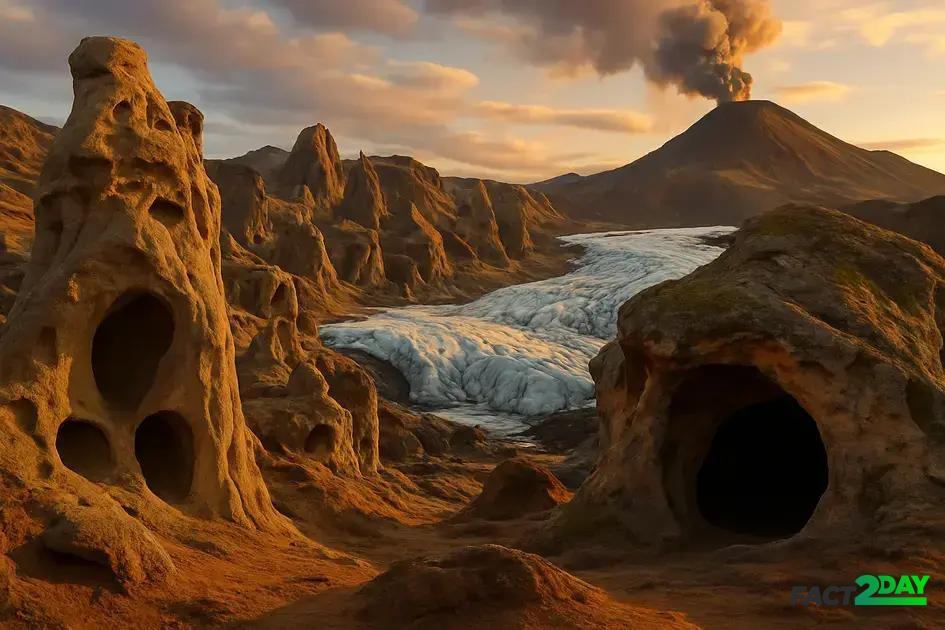
Geological Wonders are unique natural formations shaped by processes like erosion, volcanic activity, and glaciation, revealing Earth’s dynamic history and creating breathtaking landscapes that require preservation for future generations.
Geological Wonders are nature’s silent storytellers, whispering tales of Earth’s deep history through strange and stunning landscapes. Have you ever paused to consider the odd shapes and colors under your feet, or the vast caves hidden from plain sight? Let’s wander deeper into these unseen natural artworks together.
unique rock formations and their tales
Unique rock formations stand as vivid storytellers of Earth’s dynamic past. These geological structures, shaped over millions of years, reveal the power of natural forces like erosion, sedimentation, and tectonic shifts. For example, formations such as the giant sandstone fins of Utah’s Arches National Park are sculpted by wind and water, creating surreal, arch-shaped wonders that captivate visitors worldwide.
These rocks tell stories not only through their shapes but also by their colors and layers. The Painted Hills in Oregon display striking bands of red, yellow, and gold, reflecting different climatic periods and mineral contents. Each layer is a chapter in Earth’s history, preserved in stone.
Other formations like the Giant’s Causeway in Northern Ireland showcase how volcanic activity leads to unique hexagonal basalt columns, a natural marvel that blends science with legend. Such formations often bridge the gap between geology and local folklore, making them cultural as well as natural treasures.
Understanding these formations helps us appreciate Earth’s slow but relentless processes that fashion such bizarre and beautiful landscapes. Whether towering spires, layered hills, or puzzling shapes, these rocks invite exploration and awe, encouraging us to look closer at the world beneath our feet.
how natural processes shape bizarre landscapes
Natural processes like erosion, weathering, volcanic activity, and tectonic movements play a vital role in shaping the Earth’s most bizarre landscapes. Over thousands to millions of years, these forces sculpt the land into breathtaking formations that often seem otherworldly.
The power of erosion and weathering
Erosion caused by water, wind, and ice gradually wears away rocks and soil, forming valleys, cliffs, and unique shapes. For instance, the Grand Canyon was carved by the persistent flow of the Colorado River, revealing colorful rock layers that tell a story of the Earth’s past.
Volcanic activity as a landscape shaper
Volcanoes create dramatic landscapes by spewing lava that cools into rugged rock. Lava flows and ash deposits can build cones, plateaus, and even underground caves. The Hawaiian Islands, for example, are a result of volcanic activity that continues to reshape their terrain.
The role of tectonic forces
Tectonic plate movements cause earthquakes, mountain building, and land uplift, creating towering mountain ranges like the Himalayas. These movements can also form deep ocean trenches and rift valleys, contributing to the diversity of Earth’s topography.
All these natural processes combine over time to produce the stunning and sometimes bizarre landscapes that intrigue scientists and travelers alike. Their ongoing action reminds us of the Earth’s dynamic and ever-changing character.
hidden caves and underground marvels
Hidden caves and underground marvels offer a mysterious glimpse into Earth’s secret world beneath the surface. These natural formations range from narrow passageways to vast chambers filled with stunning mineral deposits, underground rivers, and unique ecosystems that thrive in darkness.
Formation of caves and underground spaces
Caves usually form through the dissolution of soluble rocks like limestone by acidic water over thousands of years. This slow process carves out intricate networks of tunnels and chambers that can extend for miles.
Unique features within caves
Inside these caves, you’ll find spectacular formations such as stalactites that hang from ceilings and stalagmites that rise from the floor. These are created by mineral-rich water dripping and slowly depositing minerals over centuries, forming beautiful natural sculptures.
Life beneath the surface
Despite the darkness, caves are home to resilient creatures like bats, blind fish, and specialized insects that have adapted to this environment. These ecosystems are fragile and rare, making caves important for scientific study and conservation.
Underground rivers and lakes add to the wonder, flowing silently in hidden chambers, sometimes surfacing as springs. These water bodies shape the cave landscapes and provide vital habitats in these underground worlds.
volcanic wonders that reshape the earth
Volcanic wonders are powerful natural features that continuously reshape Earth’s surface. When a volcano erupts, it releases molten rock, ash, and gases, creating new landforms and altering landscapes. These dynamic processes show how Earth is alive and ever-changing.
Formation of volcanic landforms
Volcanoes can build towering mountains, broad shield volcanoes, and volcanic islands. For example, the Hawaiian Islands were formed by lava flows that cooled and solidified over time. Each eruption adds layers, slowly changing the terrain.
Types of volcanic activity
Some eruptions are explosive, sending ash clouds high into the sky, while others flow gently with lava rivers. These different styles impact the surrounding environment and create diverse features such as lava plateaus, craters, and calderas.
Volcanoes’ impact on ecosystems
Volcanic soil is rich in minerals, which can promote lush vegetation growth after eruptions. However, volcanoes can also disrupt ecosystems temporarily. Over time, they create fertile lands that support unique wildlife and plant life.
From lava fields to ash-covered landscapes, volcanic wonders remind us of nature’s might and its role in shaping the planet’s surface in dramatic and beautiful ways.
glacial sculptures and frozen artistry
Glaciers carve the Earth’s surface with slow, powerful movements that create stunning landscapes. These glacial sculptures include U-shaped valleys, sharp ridges, and deep fjords formed by the constant grinding and melting of ice over centuries.
How glaciers shape the land
As glaciers advance and retreat, they pick up rocks and debris which act like sandpaper, smoothing some areas and gouging out others. This action forms valleys with steep sides and flat bottoms, a signature mark of glaciar activity.
Frozen artistry in ice formations
Glacier surfaces often feature intricate patterns and crevasses that change with temperature and movement. Ice caves and crystal-clear blue ice are examples of nature’s frozen art, created by varying ice thickness and trapped air bubbles.
The impact of glacial meltwater
Glacial meltwater sculpts the landscape by carving channels and depositing sediment downstream. These waters create braided rivers and lakes that reflect the glacier’s ongoing influence even as it melts.
Together, these features form breathtaking scenes where ice and rock meet, telling a powerful story of Earth’s cold and ever-changing environments.
desert wonders carved by time and wind
Desert landscapes showcase some of the most remarkable geological sculptures carved by time and wind. These harsh, dry environments are shaped over thousands of years as wind erodes rock surfaces, creating unique patterns and striking formations.
Wind erosion and its effects
Wind erosion picks up fine particles that wear away rocks slowly but persistently. This process forms smooth curves, sharp edges, and even pillars known as hoodoos. Sand dunes also arise from the constant movement of sand grains, changing shape with every breeze.
Iconic desert landforms
Famous features like the mesas and buttes of Monument Valley display the result of long-term erosion combined with the desert’s climate. These flat-topped rock formations often stand isolated, telling a story of layers stripped away by wind and occasional rain.
Adaptation of life in desert terrains
Despite the barren appearance, deserts support a variety of plants and animals adapted to extreme conditions. The wind-carved landscape influences their habitats and survival strategies, making deserts fascinating ecosystems beyond their geological beauty.
Sandstone arches, towering cliffs, and rippled dunes all illustrate how natural forces can sculpt stunning artwork in deserts, a testament to nature’s ability to transform the simplest elements into wonders.
preserving geological treasures for future generations
Preserving geological treasures is essential to protect Earth’s unique landscapes for future generations. These natural formations offer valuable insights into our planet’s history and support diverse ecosystems.
The importance of conservation efforts
Protecting geological wonders involves managing human activities like mining, tourism, and construction to prevent damage. Many sites are designated as national parks or UNESCO World Heritage sites, ensuring legal protection and careful monitoring.
Educating the public
Raising awareness about the value of geological features helps communities appreciate their significance. Educational programs and guided tours promote responsible behavior and inspire stewardship among visitors and locals.
Sustainable tourism practices
Encouraging low-impact tourism balances enjoyment with preservation. Using designated paths, limiting visitor numbers, and avoiding the collection of rocks or fossils helps maintain the integrity of sites.
Research and collaboration between scientists, governments, and indigenous groups further support conservation efforts, ensuring that these spectacular landscapes remain intact and continue to inspire awe for years to come.
Protecting Earth’s geological wonders is everyone’s responsibility
Geological treasures tell the story of our planet and offer breathtaking views that inspire us. Preserving these natural wonders requires careful action from governments, communities, and visitors alike.
By supporting conservation efforts, practicing sustainable tourism, and spreading awareness, we can ensure these unique landscapes remain beautiful and intact for future generations to explore and admire.
Ultimately, the care we show today will decide how these geological marvels stand the test of time.