Architects of Imagination: The Art and Science of Video Game World-Building
Gaming world building unravels the magic behind crafting immersive game universes. Discover how worlds are shaped and stories come to life.
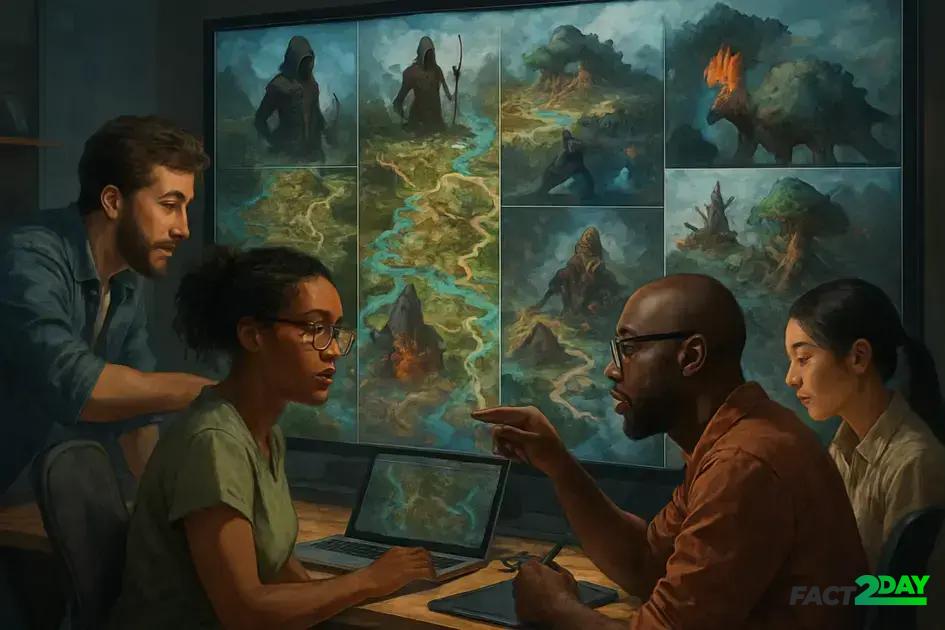
Gaming world building is the craft of designing immersive video game environments through detailed landscapes, believable characters, dynamic ecosystems, and advanced tools that create engaging, consistent, and living virtual worlds for players to explore.
Have you ever wondered what makes a game world feel so alive? Gaming world building is the art and science of creating those immersive spaces, where every detail invites exploration and discovery. Let’s dive into how these fascinating realms come to life.
the foundations of immersive virtual worlds
The foundations of immersive virtual worlds rest on creating a believable environment that captivates players and pulls them into a unique experience. Key elements include detailed landscapes, consistent rules, and a history that adds depth. Developers often begin by defining the world’s geography, climate, and cultures to ensure every corner feels purposeful.
World design and geography
Carefully designed geography affects gameplay and storytelling. Mountains, rivers, cities, and forests need to feel natural and influence player movement and quests. A well-planned map encourages exploration and discovery, making the world feel alive.
Establishing rules and systems
Immersive worlds require internal consistency. This means creating believable physics, magic systems, or technologies that govern interactions. Players quickly notice inconsistencies, so strong rules enhance immersion and credibility.
Building a history and culture
Backstories and cultures bring worlds to life beyond visuals. Mythologies, traditions, politics, and conflicts generate a sense of ongoing life. When players understand the world’s past, their experience becomes richer and more engaging.
All these foundations combined form the backbone of gaming world building, shaping spaces that feel genuine and inviting for players to explore.
crafting believable characters and ecosystems
Creating believable characters and ecosystems is essential for gaming world building. Characters need distinct personalities, backgrounds, and motivations that fit naturally within the world’s rules. Their behaviors and interactions with the environment and other characters should feel authentic and purposeful.
Character development
Deep character development involves designing traits that evolve over time. This can include strengths, weaknesses, desires, and fears. Players connect better with characters who show growth and complexity rather than one-dimensional figures.
Designing ecosystems
Game ecosystems include flora, fauna, and environmental interactions. Realistic ecosystems respond to player actions and have interdependence, such as predator-prey relationships or seasonal changes. This dynamic creates a living, breathing world.
Integrating story and environment
Characters and ecosystems should reflect the world’s story. For example, a harsh climate might shape tough, resourceful inhabitants. Using environmental storytelling, developers weave histories and cultures into both characters and ecosystems, enhancing immersion.
Overall, well-crafted characters and ecosystems make game worlds feel vibrant and engaging, encouraging players to explore and invest emotionally.
tools and techniques behind game world creation
Game world creation relies on a mix of tools and techniques that help developers bring their visions to life efficiently. From software for designing landscapes to systems for scripting events, these resources streamline the complex process of world-building.
Game engines and design software
Popular game engines like Unity and Unreal Engine provide the framework for building worlds. They include powerful editors for terrain, lighting, and physics. Additionally, 3D modeling tools such as Blender and Maya allow designers to craft detailed assets, from buildings to characters.
Procedural generation
Procedural generation techniques automate the creation of large environments or complex details, using algorithms. This can produce vast forests, cities, or dungeons that feel unique every time. It saves time but requires fine-tuning to maintain coherence and quality.
Narrative scripting and world interaction
Scripting languages and tools enable designers to create events, quests, and interactive elements. These scripts control how the world responds to player actions, making it feel dynamic and alive. Tools like Visual Scripting in Unreal or Bolt in Unity help developers work without heavy coding.
Combining these tools and techniques allows creators to design rich, immersive game worlds that engage and excite players.
Bringing gaming worlds to life
The art of gaming world building combines creativity, technology, and storytelling to create immersive experiences. By focusing on strong foundations, believable characters, and effective tools, developers craft places that invite players to explore and connect.
Understanding these key elements makes it clear why video game worlds feel so alive and engaging. Whether building landscapes or scripting events, every detail matters in shaping unforgettable adventures.
Embrace the process and let imagination guide the creation of worlds that captivate players around the globe.