Play All You Can: The Evolution of Gaming Ecosystems Towards Subscription and All-Access Passes
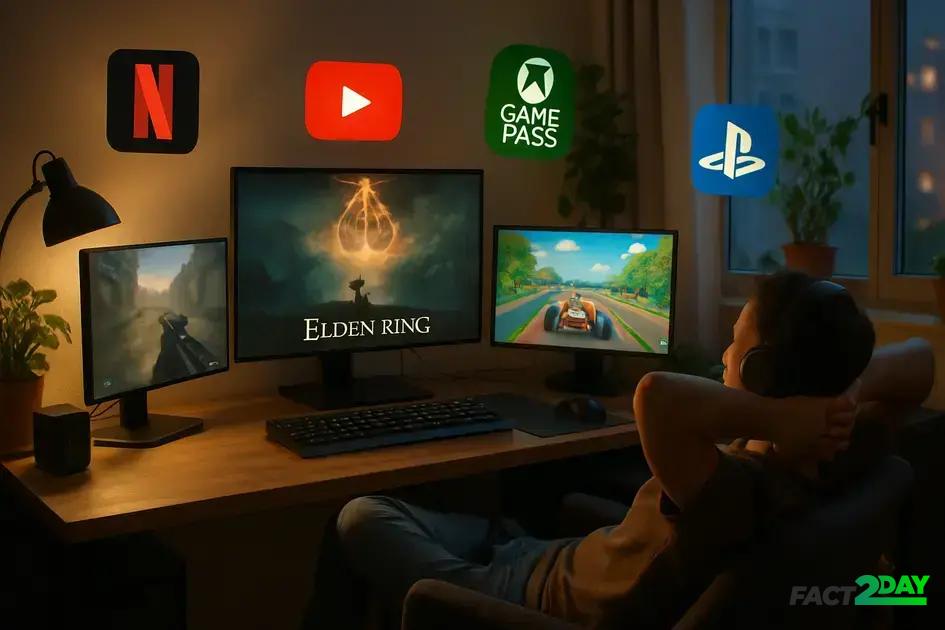
Gaming ecosystem subscription models redefine how players access games, blending variety and value in one seamless experience.
Music triggers goosebumps, known as frisson, by activating the brain’s reward and fear systems simultaneously, creating a powerful emotional and physiological response.
Have you ever wondered how Gaming Ecosystem Subscription Models are changing the way we play? These models offer a fresh approach, combining access to a wide range of games for a set price, making gaming more exciting and accessible. Let’s dive into this evolving landscape together.
Understanding gaming ecosystems
A gaming ecosystem refers to the interconnected environment where players, developers, platforms, and services come together to create a dynamic gaming experience. It includes game titles, hardware like consoles and PCs, digital stores, communities, and supporting technologies.
Components of a Gaming Ecosystem
The ecosystem encompasses various elements such as game developers who create content, distribution platforms like Steam or PlayStation Network, and players who engage with games. Also important are related services like multiplayer networks, in-game economies, and social features.
Why Understanding Gaming Ecosystems Matters
By understanding the ecosystem, players can better navigate options, enjoy seamless experiences, and benefit from innovations such as cross-platform play or subscription models. Developers can design games optimized for these environments, leading to improved engagement and satisfaction.
Gaming ecosystems are evolving rapidly with cloud gaming, mobile platforms, and subscription services becoming key parts. This integration allows gamers to access vast libraries anytime, anywhere, making the ecosystem richer and more accessible.
The rise of subscription models in gaming
The rise of subscription models in gaming has transformed how players access and enjoy games. Instead of buying games individually, players pay a monthly or yearly fee to access a wide range of titles.
Drivers Behind Subscription Growth
Improved internet speeds and cloud technology have made it easier to stream and download games instantly. Additionally, the increasing demand for flexibility and diverse game options encourage players to adopt subscription plans.
Popular Subscription Services
Services like Xbox Game Pass, PlayStation Now, and Apple Arcade have set new standards by offering large libraries across genres. These platforms continuously add new games, keeping the catalog fresh and exciting.
Benefits to Players and Developers
Players enjoy variety and value with access to multiple games without a high upfront cost. Developers gain recurring revenue, enabling longer support and content updates.
This shift also fosters discovery of new games and genres, expanding player engagement in the evolving gaming ecosystem subscription models.
Key benefits for gamers
Subscription models offer key benefits for gamers by providing access to vast game libraries for a fixed price. This allows players to try new titles without a large upfront investment.
Cost Savings and Value
Instead of buying multiple games, a single monthly fee grants access to many, making gaming more affordable. This flexibility suits players who enjoy exploring different genres or games.
Convenience and Accessibility
Many subscriptions support instant downloads and cloud streaming. Gamers can play on various devices without worrying about storage limits or hardware compatibility.
Discovery and Variety
Subscriptions encourage gamers to experiment with titles they wouldn’t typically buy. This broadens gaming horizons and helps indie developers gain exposure.
Continuous Updates and Content
Games included often receive regular updates, and new titles are added to the service often. Players benefit from fresh content and evolving experiences.
Overall, gaming ecosystem subscription models center around enhancing player access, affordability, and choice in a constantly evolving market.
How subscription models affect game developers
Subscription models change the way game developers approach creating and monetizing games. Instead of relying on one-time sales, developers can earn steady income through recurring subscription fees.
Steady Revenue Stream
This predictable income helps developers plan long-term projects, invest in updates, and improve game quality. It reduces the pressure to make quick profits after launch.
Increased Player Engagement
Subscription services encourage developers to keep games fresh with regular content updates, events, and new features to maintain subscriber interest.
Broader Exposure
Games included in subscriptions can reach wider audiences, including casual players who might not purchase the game otherwise. This can boost a game’s popularity and community size.
Challenges and Considerations
Developers may face pressure to create content that appeals to a broad audience, which could limit creative freedom. Revenue sharing with subscription platforms also affects overall earnings.
Overall, gaming ecosystem subscription models push developers towards ongoing support, player satisfaction, and diverse strategies for monetization.
Popular gaming subscription services
Several popular gaming subscription services have reshaped the way players access and enjoy games. These platforms offer extensive libraries, different gaming experiences, and unique benefits.
Xbox Game Pass
One of the most well-known services, Xbox Game Pass offers access to hundreds of games on console and PC. Subscribers get new Microsoft titles on launch day and a wide range of other games, including from various genres and studios.
PlayStation Plus and PlayStation Now
PlayStation Plus combines online multiplayer access with monthly free games. PlayStation Now offers cloud streaming and downloads of a large collection of games spanning several PlayStation generations.
Apple Arcade
This subscription focuses on mobile gaming, providing exclusive, high-quality games without ads or in-app purchases. It appeals to casual gamers looking for premium mobile content.
Nintendo Switch Online
Providing access to classic Nintendo games and online play, this subscription enhances the Switch gaming experience with multiplayer functionality and exclusive offers.
These services reflect how gaming ecosystem subscription models cater to diverse player preferences, platforms, and gaming styles worldwide.
The economics behind subscription models
The economics behind subscription models in gaming revolves around recurring revenue, user retention, and cost management. Unlike traditional game sales, subscription services provide a steady income stream for companies.
Recurring Revenue Model
Subscriptions generate consistent monthly or annual fees, creating predictable cash flow. This financial stability supports ongoing game development, marketing, and infrastructure maintenance.
User Acquisition and Retention
Subscription platforms invest in attracting a broad user base by offering diverse game libraries. Retaining subscribers is key, so services continually add new titles and update features to keep players engaged.
Cost Structures and Profitability
Providers balance costs like licensing fees, server maintenance, and content creation against subscription income. Economies of scale allow spreading costs over many users, improving profitability as the subscriber base grows.
Impact on Pricing Strategies
Subscriptions often lower the barrier to entry, attracting casual gamers. However, pricing must reflect value without undercutting revenue, leading to tiered plans or add-on services.
Understanding the gaming ecosystem subscription models economics helps explain why these services are growing and reshaping the industry.
Impact on game ownership and downloads
Subscription models are changing the traditional ideas of game ownership and downloads. Instead of buying and owning games permanently, players gain temporary access to large libraries as long as they keep their subscription active.
Shift from Ownership to Access
Players no longer need to purchase games individually. Instead, they enjoy the freedom to explore many titles within one subscription, but they must stay subscribed to keep playing.
Effects on Digital Downloads
Many services allow downloading games for offline play, but those titles remain available only while subscribed. This means downloads act more like temporary licenses than outright ownership.
Benefits and Drawbacks
This model offers great value and variety, but it limits how players handle their games. They may lose access when a game leaves the service or if they cancel their subscription.
Gaming ecosystem subscription models encourage a focus on access and discovery rather than permanent ownership, reshaping how people experience games today.
All-access passes vs traditional purchases
All-access passes and traditional game purchases offer different ways for players to enjoy gaming, each with unique advantages and trade-offs.
All-Access Passes
These passes allow unlimited play of a large library of games for a fixed subscription fee. Players can try numerous titles without buying each game individually, which encourages exploration and variety.
Traditional Purchases
When buying games outright, players own their copy permanently. This means unrestricted access without needing ongoing payments but requires paying full price for each game.
Key Differences
All-access passes focus on access and convenience, ideal for those who play many games or enjoy trying new experiences. Traditional purchases provide ownership and long-term access, which some players prefer for favorite titles.
Considerations for Gamers
Subscription passes may limit how long a game stays available, and canceling means losing access. Ownership grants freedom but can be costlier. Choosing depends on play habits, budget, and preferences.
The rise of gaming ecosystem subscription models highlights this evolving balance between flexibility and ownership in the gaming world.
The role of cloud gaming in subscriptions
Cloud gaming plays a crucial role in modern gaming subscriptions by allowing players to stream games directly from servers without needing powerful hardware.
How Cloud Gaming Works
Games run on remote servers and stream video to the player’s device. Inputs from the player are sent back to the server in real time, providing a seamless experience similar to traditional gaming.
Benefits for Subscription Models
Cloud gaming removes barriers by supporting play on low-end devices like smartphones, tablets, or older PCs. This broadens the audience and increases the value of subscription services.
Improved Accessibility and Convenience
Players can switch devices easily without downloading or installing games. This flexibility enhances the appeal of subscription models and encourages continuous engagement.
Challenges to Consider
Cloud gaming depends on high-speed internet and low latency for smooth gameplay. Network issues can cause lag, impacting the user experience.
The integration of cloud gaming within gaming ecosystem subscription models is shaping the future by making gaming more accessible, flexible, and scalable for a diverse player base.
Exploring indie games in subscriptions
Indie games have found new opportunities through subscription services, gaining exposure and reaching wider audiences without large marketing budgets.
Benefits for Indie Developers
Subscriptions provide a platform for indie games to be discovered alongside major titles, helping developers earn steady revenue and build a loyal player base.
Diverse and Innovative Content
Indie games often bring fresh ideas and unique styles. Subscription models encourage players to try these games risk-free, promoting creativity and variety within the gaming ecosystem.
Support and Community Growth
As indie titles gain more players, communities develop around them, fostering feedback and ongoing development. This strengthens the bond between creators and their audience.
Ultimately, gaming ecosystem subscription models are helping indie developers thrive by providing access, financial stability, and increased visibility in a competitive market.
Subscription models and user engagement
Subscription models significantly impact user engagement by encouraging players to explore and interact with a wide range of games regularly.
Increased Playtime and Variety
Access to extensive libraries motivates users to try new genres and titles, increasing overall playtime and preventing boredom.
Regular Content Updates
Subscription services often feature frequent game additions and updates, keeping the catalog fresh and maintaining player interest over time.
Community and Social Features
Many platforms include multiplayer options and social tools that foster community engagement, helping players connect and compete with others.
Loyalty and Retention Strategies
Exclusive perks, rewards, and personalized recommendations encourage subscribers to stay active and renew their subscriptions.
Overall, gaming ecosystem subscription models are designed to boost sustained user engagement through variety, social interaction, and continuous content flow.
Challenges faced by subscription services
Subscription services in gaming face several challenges that impact their growth and user satisfaction.
Content Licensing and Availability
Licensing agreements can limit which games remain on the platform, leading to sudden removals that frustrate subscribers seeking consistent access.
Server and Infrastructure Costs
Maintaining high-quality streaming, downloads, and multiplayer servers requires significant investment, especially as the subscriber base grows.
Market Competition
With many competing services, platforms must continuously offer exclusive titles, updates, and features to attract and retain users.
Balancing Revenue and Pricing
Subscription platforms must set pricing that appeals to customers while ensuring profitability, which can be difficult given the costs of content and technology.
Understanding these hurdles highlights the complexities within gaming ecosystem subscription models and the efforts required to deliver compelling services.
Future trends in gaming subscriptions
Future trends in gaming subscriptions point toward greater innovation, accessibility, and player-centric features that will continue to reshape the gaming landscape.
Integration of Cloud Gaming
Cloud gaming will become more seamless, allowing players to stream high-quality games on almost any device without downloads, expanding access everywhere.
Personalized Gaming Experiences
Advanced algorithms and AI will offer tailored game recommendations, curated playlists, and dynamic content to match individual player preferences.
Cross-Platform Subscriptions
Expect more subscriptions that work across consoles, PCs, and mobile devices, enabling players to switch platforms without losing progress.
Expansion of Indie and Niche Titles
Subscription services will increasingly showcase indie games and niche genres, providing diverse and unique gaming options beyond mainstream hits.
Enhanced Social and Multiplayer Features
Subscriptions will integrate better social tools and multiplayer experiences to boost community engagement and collaborative play.
Overall, gaming ecosystem subscription models will continue evolving to offer players more choice, convenience, and connected gaming experiences in the years ahead.
Tips for choosing the best gaming subscription
Choosing the best gaming subscription involves considering several important factors to ensure you get the most value and enjoyment.
Assess Your Gaming Preferences
Consider what types of games you enjoy most and whether the subscription offers a strong library in those genres. Look for both quantity and quality in the titles available.
Check Platform Compatibility
Make sure the subscription service supports your preferred devices, whether console, PC, or mobile. Cross-platform access is a bonus if you game on multiple devices.
Evaluate Pricing and Plans
Compare monthly and yearly pricing options, including any family or tiered plans. Understand what each tier offers and if it fits your budget and gaming habits.
Look for Additional Features
Some subscriptions include perks such as exclusive games, early access, discounts, or cloud saves. These extras can enhance your overall experience.
Consider Trial Periods and Cancellations
Many services offer free trials or no-commitment periods. Use these to explore the service before committing long-term. Check cancellation policies to avoid unwanted charges.
By focusing on these aspects, you can select a gaming ecosystem subscription model that aligns perfectly with your needs and maximizes your gaming fun.
Wrapping Up: Choosing the Right Gaming Subscription
Finding the best gaming subscription means understanding your gaming style and what matters most to you. Whether it’s game variety, device compatibility, or special perks, making an informed choice can greatly enhance your gaming experience.
Trying out services with free trials helps you see what fits best before committing. Remember, the right subscription can open a world of games and fun without breaking the bank.
As gaming ecosystem subscription models evolve, being selective will ensure you get the most value and enjoyment from your gaming adventures.