From Pixels to Reality: When In-Game Decisions or Events Had Surprising Real-World Consequences
Explore how games with real-world effects shape beyond screens, influencing communities, economies, and even our daily choices.
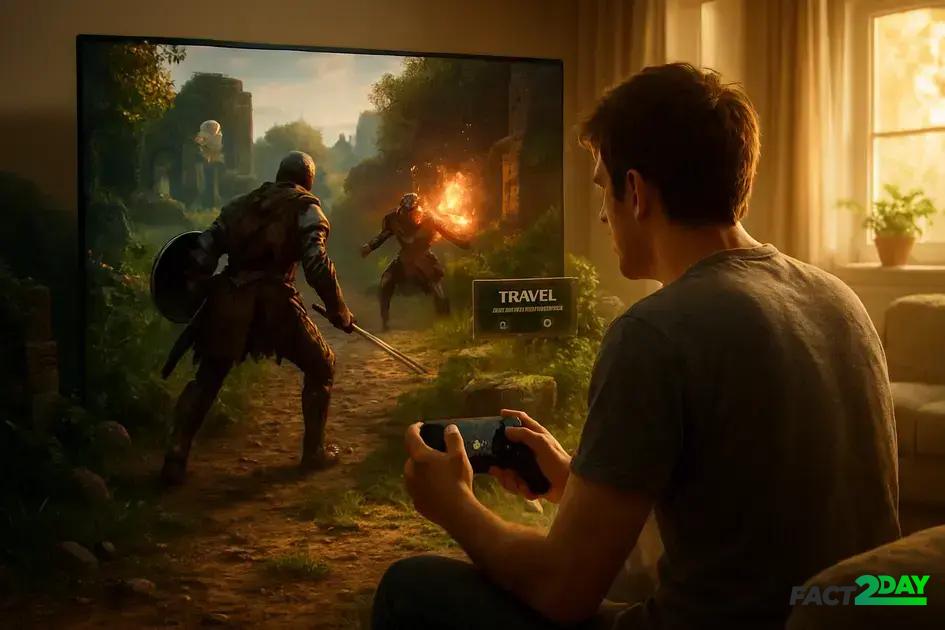
Games with real-world effects are digital experiences where player decisions directly influence social behavior, economies, communities, and ethical considerations beyond the virtual environment.
Have you ever wondered how Games with Real-World Effects reach beyond the screen to touch real life? Some game decisions spark surprises well outside their digital worlds, changing communities and even economies. Let’s walk through these fascinating connections together.
how in-game choices ripple into reality
In-game choices often extend far beyond the virtual world, creating ripples in reality that affect players and communities alike. When gamers decide to help or harm others, invest time in building virtual assets, or influence story outcomes, these actions can have measurable effects on real life. For example, online games with player-driven economies often impact real money markets, as players buy and sell virtual items for actual currency.
Additionally, social decisions made in multiplayer games can strengthen friendships or spark conflicts, showing how digital interactions shape real human relationships. Some gaming communities even organize charity events or social movements based on shared in-game experiences, proving decisions in games inspire action beyond screens.
Technology now bridges gaps where virtual achievements translate to tangible rewards, like job offers from esports teams or scholarships generated by gaming performance. This crossover means that every choice, from strategic moves to ethical behavior, may create real-world consequences far greater than initially imagined.
Examples of Ripple Effects
Consider massively multiplayer online games where resource management choices affect global player markets, or augmented reality games causing players to explore real neighborhoods. These scenarios demonstrate how virtual decisions catalyze real-world economic, social, and cultural changes.
Understanding the power of these ripples highlights the complex relationship between pixels and reality, encouraging players to reflect on how their in-game behavior truly matters.
cases where gaming impacted real-world events
Games have sometimes surpassed their role as mere entertainment, becoming catalysts for significant real-world events. One notable instance is the use of the game Pokémon GO, which led to increased foot traffic in parks and public spaces, sparking both economic boosts for local businesses and concerns about safety and trespassing.
In another case, virtual protests within games like Fortnite or Animal Crossing have drawn global attention to real social and political issues. These digital demonstrations show how players can organize and amplify messages, influencing public opinion and even policy discussions.
Military and political strategy games have occasionally stirred diplomatic discussions by mirroring real conflicts, sometimes causing controversy or misunderstandings among different countries. These events highlight how gaming content can cross boundaries and provoke reactions beyond the screen.
Economic and Cultural Impacts
In countries where gaming is highly popular, events in games—such as tournaments or significant story updates—can stimulate local economies through tourism and merchandise sales. Cultural phenomena emerge as well; gaming references enter everyday conversation, and communities form around shared experiences that affect lifestyles and social habits.
These examples demonstrate the powerful impact gaming can have on real-world events, blurring the lines between virtual actions and tangible outcomes.
the psychology behind games with real-world effects
Games with real-world effects tap into deep psychological principles that make players feel connected and motivated. These games often use reward systems like points, achievements, and leaderboards to create a sense of accomplishment and drive continued engagement.
Social interaction is another powerful psychological factor. Multiplayer games build communities where players form bonds, cooperate, and compete, fulfilling basic human needs for connection and status. This can enhance motivation and create lasting friendships.
The Role of Immersion and Presence
Immersion makes players feel like they are truly part of the game world. When games offer realistic scenarios and consequences, players experience a sense of presence, making their in-game actions feel meaningful and impactful beyond the screen.
This immersive experience can trigger emotional responses similar to real life, including joy, frustration, or empathy, which further solidify the connection between gameplay and real-world effects.
Behavioral Influence and Decision Making
Some games use narrative and choice-driven mechanics to encourage players to reflect on their values and decisions. When outcomes affect real people or communities, players often become more thoughtful and responsible in their choices.
Understanding these psychological elements helps explain why games with real-world effects can change attitudes, promote positive behavior, and even inspire social action.
technology bridging virtual and physical worlds
Recent advancements in technology are blurring the lines between virtual and physical worlds, creating new ways for games to influence reality. Technologies like augmented reality (AR) and virtual reality (VR) allow players to interact with digital environments that feel immersive and tangible.
Augmented Reality: Overlaying Digital on Real
Augmented reality enhances the physical world by overlaying digital elements onto it. Games such as Pokémon GO have popularized AR, encouraging players to explore outdoor environments and interact with virtual creatures in real spaces.
This blending of virtual and physical worlds changes how players engage with their surroundings and can impact social behavior and local economies by driving foot traffic to businesses and landmarks.
Virtual Reality: Immersive Digital Experiences
Virtual reality takes immersion further by placing players inside fully digital environments. Using VR headsets, players can experience games with realistic depth and interaction, making in-game events feel like real experiences.
VR technology is also used beyond gaming for training, therapy, and social connection, demonstrating how virtual experiences are increasingly linked to real-world outcomes.
Wearable Tech and Sensors
Wearable devices and sensors track player movements, heart rate, and other physical data, allowing games to respond to players’ real-time actions and emotions. This integration creates a feedback loop connecting the body and game, enhancing immersion and impact.
These technologies show how the digital and real worlds are intertwined more than ever, expanding the potential for games to affect our daily lives in meaningful ways.
economic influences of in-game actions
In-game actions can have wide-ranging economic effects both within the game and in the real world. Many games feature virtual economies where players trade items, currency, and services. These digital economies often mirror real-world market principles like supply, demand, and inflation.
Virtual Marketplaces and Real Money
Some games enable players to buy and sell virtual goods for real money, creating a valuable secondary market. This allows skilled players or collectors to profit from rare items, while others spend actual cash to enhance their in-game experience.
This crossover between virtual assets and real currency has led to entire industries, including professional gaming, virtual item trading, and even game-related jobs.
Impact on Local and Global Economies
Large gaming events, tournaments, and conventions generate significant economic activity in host cities through tourism, hospitality, and merchandising. In countries with sizable gaming communities, the economic influence of gaming extends beyond entertainment, contributing to job creation and technological innovation.
In-game economies also affect player behavior, encouraging strategic thinking about resource management and investment, mirroring real economic skills.
Risks and Regulation
With economic opportunities come challenges like fraud, money laundering, and market manipulation. Many game developers and regulators are working to ensure safe and fair play, balancing freedom with control to protect players and maintain healthy economies.
ethical dilemmas in games affecting reality
Games that affect the real world often raise important ethical questions. When virtual actions have real consequences, players and developers face dilemmas about responsibility, fairness, and impact.
Player Responsibility and Behavior
Players must consider how their in-game choices can affect others outside the game. Trolling, harassment, or cheating can harm communities and lead to negative real-world effects. Understanding this encourages better online conduct.
Developer Accountability
Game creators have ethical duties to design fair systems that prevent abuse and protect players. This includes implementing moderation tools, ensuring transparency in in-game economies, and guarding against exploitation like predatory microtransactions.
Privacy and Data Use
Many games collect extensive player data to enhance experiences or enable real-world effects. Ethical use of this data means respecting privacy, securing information, and being clear about how data influences gameplay and real outcomes.
Societal and Cultural Impact
Games can shape societal views and cultural norms, sometimes spreading biases or misinformation unintentionally. Thoughtful content creation and community management help minimize harmful effects and promote inclusivity.
Balancing innovation with ethical considerations is crucial as games continue bridging virtual and real worlds, ensuring positive impact without compromising values.
Understanding the real impact of games
Games with real-world effects show us how digital actions can shape reality in surprising ways. From economics to social behavior, the choices players make carry weight beyond the screen.
As technology evolves, the connection between virtual worlds and real life will only grow stronger. This calls for awareness and responsibility from both players and developers.
By embracing ethical practices and understanding the psychology behind gaming, we can enjoy these experiences while minimizing harm. Ultimately, games have the power to inspire, connect, and change the world around us.