When the Game Transcends the Screen: Games That Shaped Films, Series and Books
Explore the profound ways games influence media, from shaping storytelling in films and TV to inspiring music and literature.
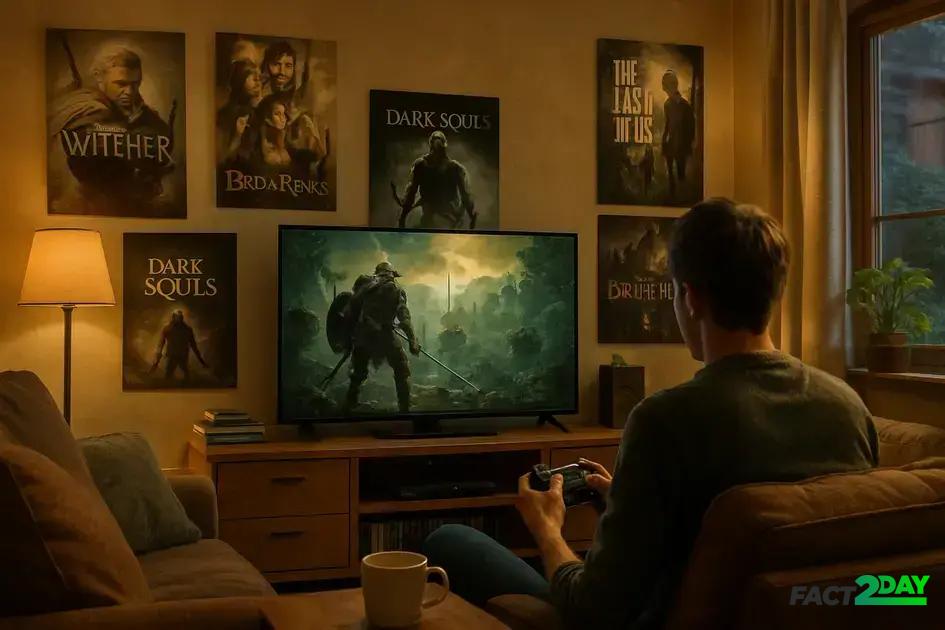
Games influence media, video games impact on media, gaming cultural influence, games and movies, games and TV shows, games and music, games and literature, game adaptations, cross-media influence games, video game inspiration, interactive media influence, entertainment convergence, media influenced by games, game design impact
Have you ever noticed how games have influenced other media in surprising ways? Whether in films, series, or books, this influence creates rich and unexpected connections that are worth exploring together.
How games have inspired narratives in films
Video games have inspired movie narratives by introducing complex characters and immersive worlds that translate well onto the big screen. Many games feature rich storytelling elements, such as detailed plots and emotional arcs, which filmmakers adapt to create captivating films. For example, the action-packed sequences and character development in games like “The Last of Us” have influenced the way stories are told in cinema, focusing on survival and human relationships.
Another way games inspire movies is through their unique settings. Game worlds often combine fantasy, science fiction, and dystopian elements that filmmakers embrace to build visually stunning environments. These settings provide a fresh backdrop that departs from traditional movie genres, attracting audiences seeking new experiences.
Additionally, gaming narratives often allow for player choice and multiple endings, which filmmakers interpret by selecting one compelling storyline to bring to life. This adaptative process challenges writers and directors to maintain the emotional depth and engagement found in the original game.
Impact of game storytelling on film structure
The structured, chapter-like progression in many games influences film editing and pacing, encouraging a more fragmented yet coherent narrative flow. This can increase audience immersion by mimicking the dynamic storytelling style popularized in gaming.
The games influence media on television series
Video games have a strong influence on television series by inspiring complex storytelling and character development. Many shows borrow elements from gaming, such as intricate plots, diverse characters, and immersive worlds that keep viewers engaged episode after episode. This influence is seen in series that incorporate video game culture or adapt popular games directly.
Interactive narratives and non-linear storytelling, common in games, have made their way into TV series, allowing writers to explore multiple story arcs and viewpoints. This approach keeps audiences engaged and encourages discussions online, much like gamers share experiences.
Examples of gaming influences in TV series
Shows like “The Witcher” and “Castlevania” are prime examples where games provided the source material or aesthetic style that shaped the series’ direction. These adaptations often combine captivating action with deep lore, appealing both to gamers and new audiences.
Moreover, video game mechanics like leveling up or quest-driven plots inspire episodic structures and character growth in TV shows. This brings a dynamic feeling to series pacing and development, mirroring the excitement of playing a game.
the transition from games to literature
Many video games have successfully transitioned into the world of literature, expanding their stories beyond the screen. This shift allows fans to dive deeper into game universes through novels and graphic novels that explore character backstories, world-building, and untold adventures.
Game-based books often enrich the original narrative by providing new perspectives and details not covered in the games. For example, game franchises like “Halo” and “Assassin’s Creed” have extensive book series that complement the gameplay with rich lore and character development.
Benefits of game-to-book adaptations
These adaptations create a bridge between gamers and readers, attracting audiences who enjoy immersive storytelling in different formats. Books allow for more detailed exploration of themes, emotions, and motivations that games may only touch upon briefly.
Furthermore, novels inspired by games can reach new audiences who might not be gamers but appreciate fantasy, science fiction, or action genres. This cross-media presence strengthens the cultural impact of the original games.
The lasting impact of games influence media
Games have clearly shaped films, TV series, and literature by bringing unique stories, characters, and worlds to new formats. This crossover enriches entertainment as a whole and connects fans across different passions.
By exploring how games influence these media, we can appreciate the creative ways stories evolve and inspire us. The blend of interactive and traditional storytelling opens exciting possibilities for future narratives.
As games continue to grow in popularity, their impact on movies, series, and books will likely deepen, offering fresh experiences for audiences everywhere.