What Censorship Didn’t See: Games That Bypassed Rules and Caused Uproar
Games Challenged Censorship by boldly breaking rules and sparking controversy. Discover the stories behind these boundary-pushing games that shocked the world.
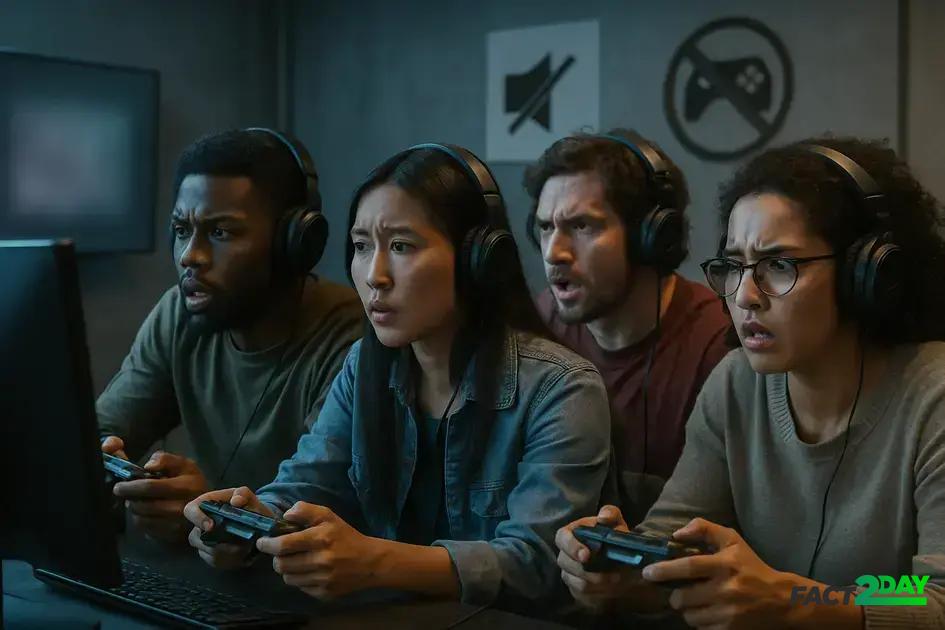
Games challenged censorship by pushing creative boundaries, sparking debates on artistic freedom versus social responsibility while reshaping industry standards and player communities worldwide.
Have you ever wondered how some games manage to go beyond strict rules and still cause a stir? Games Challenged Censorship in ways that surprised even watchdogs. Let’s dive into this fascinating clash between creative freedom and control, and explore stories of games that slipped past the cracks to shake up the industry.
The history of censorship in video games
The history of censorship in video games dates back to the early days of the industry when concerns about violence, explicit content, and social values began to influence game development. Governments and rating boards started setting rules to protect younger audiences from inappropriate material. For example, the late 1980s saw the creation of the ESRB, a key organization that rates games based on age suitability.
Early controversies included games that featured graphic violence or sexual themes, leading to bans or forced edits. These actions aimed to balance creative freedom with societal norms, but often sparked debate about what constitutes harmful content.
Evolution over the decades
As technology advanced, games became more realistic and immersive, raising fresh questions about censorship. Titles that included political messages or challenged cultural taboos faced scrutiny worldwide. Different countries applied unique standards, making censorship a complex international issue.
Throughout this history, the push and pull between creators and censors shaped not only the games themselves but also public perception about the medium’s role in culture. Understanding this background helps explain why some games continue to challenge rules and provoke strong reactions today.
How censorship rules are created and enforced
Censorship rules in video games are created through a mix of government laws, industry standards, and cultural values that vary between countries. These rules aim to protect certain groups, especially children, from content deemed inappropriate such as graphic violence, sexual material, or offensive language.
The role of rating boards
Organizations like the Entertainment Software Rating Board (ESRB) in the US or PEGI in Europe evaluate games based on their content. They assign age-appropriate ratings and provide guidelines that developers must follow to reach their target audience.
Government involvement
Some countries have strict regulations enforced by government bodies that can ban or restrict games entirely. These laws reflect local social norms and political views. For example, games showing certain political messages or culturally sensitive subjects might be censored or prohibited.
Enforcement methods
Enforcement happens through legal actions, retailer compliance, and platform policies. Retailers might refuse to sell unrated or restricted games, while digital stores often require adherence to content rules. In some cases, games may be edited or delayed to meet these standards.
Developers often navigate a complex mix of rules and expectations to ensure their games can be distributed and played worldwide. This system shapes what players ultimately experience and reflects ongoing debates about creative freedom versus societal protection.
Games that faced censorship but found creative loopholes
Some video games have faced strict censorship but managed to bypass rules through creative loopholes or clever design choices. These games often highlight the way developers adapt to restrictions while maintaining their vision.
Using symbolism and allegory
Instead of explicit content, many games use symbolism or allegorical stories to address mature themes. This technique often helps avoid direct censorship while still delivering powerful messages.
Altering visuals and language
Developers sometimes change graphics or language just enough to meet censorship guidelines. This includes modifying character appearances, toning down violence, or replacing controversial words with milder alternatives.
Hidden or optional content
Some games include censored features as hidden Easter eggs or optional modes accessible only after meeting certain conditions. This allows players to experience the original content without officially breaching rules.
Creative workarounds like these reveal the tension between expression and regulation in gaming. They show how innovation thrives even under pressure, allowing games to reach audiences while navigating censorship landscapes.
The impact of controversial games on the industry
Controversial games have had a significant impact on the video game industry by pushing boundaries and sparking important conversations. These games often challenge societal norms, forcing both developers and players to rethink ideas about violence, freedom, and culture in gaming.
Driving innovation and creativity
Controversy can drive innovation as developers explore new themes and gameplay mechanics to address mature or complex topics. This leads to more diverse and thought-provoking games that stand out in a crowded market.
Influencing regulation and ratings
High-profile controversies often trigger changes in censorship policies and rating systems. Industry bodies may tighten or revise guidelines, affecting how future games are developed and marketed.
Shaping public perception
Controversial games shape how the public views video games, sometimes attracting negative attention but also highlighting gaming as a powerful storytelling medium. This can raise awareness about the medium’s cultural significance and potential.
Economic effects
While some controversial titles face bans or restrictions, they can also become commercial successes or cult classics. The debate they generate often boosts sales by drawing attention and curiosity.
Overall, controversial games play a critical role in evolving the industry by challenging limits, influencing policy, and redefining player expectations.
Player reactions to censored versus uncensored content
Player reactions to censored versus uncensored content in video games vary widely, reflecting diverse expectations and cultural backgrounds. Many players appreciate uncensored content for its authenticity and fuller storytelling experience.
Preference for authenticity
Uncensored games often attract players who want to experience the original vision of developers without alterations. These players feel that censored versions can dilute the impact of the narrative or gameplay.
Frustration with censorship
Some players express frustration when censorship alters key scenes, changes character designs, or removes content they deem essential. This can lead to disappointment and negative reviews, especially when censorship seems inconsistent or arbitrary.
Support for moderation
Other players understand the need for censorship, especially to protect younger audiences or respect cultural norms. They may prefer modified content that balances mature themes with accessibility.
Community debates and mods
The division often leads to heated discussions within gaming communities. Some players turn to mods that restore censored content, showcasing a desire for creative freedom and player control.
Ultimately, player reactions highlight the ongoing tension between creative expression and social responsibility in gaming.
Censorship challenges in different countries
Censorship in video games varies greatly between countries, reflecting different cultures, laws, and social values. Each nation has unique challenges when it comes to what content is allowed or restricted in games.
Strict censorship in some regions
Countries like China and Germany have some of the toughest censorship rules. They often ban or alter games with violence, political messages, or anything that conflicts with their social or cultural standards.
More lenient approaches
Other places, such as the United States and many European countries, rely more on rating systems like ESRB or PEGI, giving players and parents guidance rather than outright bans.
Cultural and religious factors
Religious beliefs and cultural norms heavily influence censorship decisions. For example, games that depict certain religions, sexual content, or LGBTQ+ themes might be censored or banned in conservative countries.
Impact on developers and gamers
These differences create challenges for developers who want to release games globally. They often create multiple versions to meet regional standards. Gamers in censored regions may miss out on full experiences or rely on imports and mods.
The diversity of censorship laws worldwide highlights the complex balance between creative freedom and respecting local values.
The role of cultural differences in game censorship
Cultural differences play a major role in how video games are censored around the world. What is acceptable in one country might be banned or altered in another due to varying social norms and values.
Varied social values
Some cultures are more conservative, focusing on protecting youth from violence, sexual content, or certain political ideas. Others prioritize artistic freedom and allow more mature themes in games.
Impact on content portrayal
Games often undergo changes to fit cultural sensitivities. This may include editing or removing certain characters, symbols, or storylines that could offend local beliefs or traditions.
Examples of cultural-driven censorship
In some Asian countries, imagery linked to religion or history might be censored. Western countries may restrict extreme violence but be more tolerant of political content.
Challenges for developers
Game developers must understand these cultural nuances to ensure successful global releases. They may create multiple versions or adjust marketing to respect different audiences.
The role of culture in censorship reflects the ongoing negotiation between global entertainment and local identity.
How game developers fight back against censorship
Game developers often face censorship challenges but find innovative ways to fight back and preserve their creative vision. They use several strategies to push boundaries while complying with regulations.
Creative design choices
Developers use symbolism, metaphors, and abstract storytelling to explore sensitive topics without triggering censorship. This allows them to express ideas subtly.
Multiple game versions
Creating different versions of a game for various regions helps developers bypass strict censorship laws. This approach ensures the game can be released globally while respecting local rules.
Community engagement and transparency
Some developers openly discuss censorship issues with their player base, building trust and encouraging support for their creative choices.
Advocacy and legal action
In certain cases, developers lobby for clearer laws or challenge unreasonable censorship through legal channels, defending artistic freedom.
By combining innovation and persistence, developers continue to fight censorship and maintain the integrity of their work despite external pressures.
The balance between artistic freedom and social responsibility
The balance between artistic freedom and social responsibility is a delicate issue in video games. Developers want to express their creativity fully, but they also face pressure to avoid content that may harm or offend audiences.
The importance of artistic freedom
Artistic freedom allows creators to explore bold ideas and push cultural boundaries. It encourages innovation and diversity in storytelling, making games more engaging and meaningful.
Social responsibility concerns
On the other hand, games reach millions and can influence behavior and attitudes. Developers must consider how violence, stereotypes, or sensitive subjects are portrayed to avoid negative social impacts.
Finding a middle ground
Many game creators try to strike a balance by including content warnings, age ratings, and thoughtful context within their games. This helps players make informed choices and understand the messages behind the content.
This ongoing negotiation shapes the future of gaming, pushing it toward being both a free creative space and a socially aware medium.
The most infamous banned games and their stories
Some video games have become infamous for being banned due to controversial content that challenged censorship rules worldwide. These titles often sparked debates on freedom of expression and the power of games as a medium.
Notorious banned games
Games like “Manhunt” and “Postal” were banned in several countries because of extreme violence and shock value. Their graphic nature ignited discussions about the impact of violent content on players.
The story behind bans
Many games were censored or banned due to political reasons, sexual content, or cultural taboos. For instance, “Grand Theft Auto: San Andreas” faced bans due to its explicit scenes, leading to the infamous “Hot Coffee” controversy.
Impact on gaming culture
Banned games often gained a cult following, with some players seeking out restricted versions or using mods to restore removed content. These stories show how censorship can sometimes increase a game’s notoriety and popularity.
The legacy of these banned games highlights the ongoing clash between creative freedom and societal limits in gaming.
The influence of streaming platforms on censorship debates
Streaming platforms have become powerful voices in the debate over video game censorship. As millions watch live or recorded gameplay, these platforms shape opinions about what content is acceptable.
Amplifying controversy
Streamers can spotlight censored or uncensored versions of games, sparking discussions around censorship fairness and creative freedom. Their real-time reactions provide a direct view of content impacts.
Influencing enforcement
Many streaming services have their own rules, often banning explicit content or requiring moderation. These policies can reinforce or challenge traditional censorship, affecting what games gain visibility.
Community engagement
Viewers actively debate censorship issues in chat rooms and forums, fostering awareness and sometimes pressuring platforms or developers to reconsider restrictions.
The role of streaming platforms highlights how digital media continues to evolve and influence the ongoing balance between expression and regulation in gaming.
Technological advances that help bypass censorship
Technological advances have provided game developers with new tools to bypass censorship and reach players worldwide. These innovations help preserve creative freedom while adapting to different regulations.
Use of modular content
Developers create modular games where certain content can be turned on or off depending on the region. This flexibility helps comply with local rules without altering the core experience globally.
Encryption and online distribution
Digital platforms allow for encrypted content delivery and patching. This means uncensored versions of games can be hidden or unlocked online after purchase, bypassing physical restrictions.
Community-made mods
The modding community often restores censored content or adds new features that challenge restrictions. These mods empower players to customize their games beyond official limitations.
These technological tools and creative solutions enable developers and players to navigate censorship while enjoying a fuller gaming experience.
The future of censorship in an evolving gaming landscape
The future of censorship in gaming will continually evolve as technology and societal values change. Developers, players, and regulators will all play a role in shaping how content is controlled and presented.
Adapting to new technologies
Virtual reality and AI-driven games will raise new questions about what content should be regulated and how immersive experiences affect players. This could lead to updated censorship standards.
Globalization and cultural exchange
As games reach worldwide audiences, balancing diverse cultural sensitivities with artistic freedom will become more complex. Developers may need to create more dynamic content adjustments for different regions.
Player influence and activism
The gaming community is becoming more vocal in debates about censorship. Players may increasingly influence policies through advocacy, feedback, and support for uncensored content.
Potential for self-regulation
Industry groups might develop more nuanced self-regulatory frameworks, blending transparency and flexibility to respect both freedom and responsibility.
Overall, the future points toward a more interactive and balanced approach to censorship that reflects the evolving nature of games and their audiences.
How censorship shapes gaming culture and player communities
Censorship plays a significant role in shaping gaming culture and the communities that form around games. It influences what content players see and discuss, affecting their shared experiences and social dynamics.
Impact on community values
Censorship can affect community norms by limiting certain topics or themes. This shapes how players interact, what content is acceptable, and the kind of conversations that happen online.
Fostering inclusivity or division
While some players appreciate censorship for creating safer spaces, others feel it causes division by restricting freedom and creativity. These differing views often spark lively debates within gaming communities.
Role of moderators and platform policies
Community moderators and platform rules enforce censorship standards, guiding player behavior and content sharing. Their role is crucial in maintaining order but can also lead to disputes over fairness and expression.
Encouraging creativity and workarounds
In response to censorship, players and creators develop mods, fan art, and alternate stories that push boundaries and keep censorship discussions active within communities.
Overall, censorship shapes gaming culture by influencing what is shared, discussed, and created among players, impacting the evolution of gaming communities.
Wrapping up the role of censorship in gaming
Censorship in video games is a complex and evolving issue that shapes the industry, culture, and player communities. It balances creative freedom with social responsibility, often sparking debates about what content is appropriate.
As technology and gaming trends change, censorship will also adapt, influenced by cultural differences and the voices of players worldwide. Understanding this balance helps us appreciate the challenges developers and communities face.
Ultimately, games will continue to push boundaries while respecting diverse values, making gaming a richer and more engaging experience for everyone.