Education Through Play: How Video Games Are Transforming Learning
Explore how Games as Learning Tools engage learners, boost creativity, and transform education through interactive play.
Exoplanets are worlds orbiting stars beyond our solar system, detected through subtle starlight changes, revealing the vast diversity and mystery of our galaxy.
Games as Learning Tools are reshaping how we think about education. Imagine learning complex subjects through engaging gameplay that sparks curiosity and deepens understanding. Could this playful approach be the key to unlocking new educational potentials?
What are games as learning tools and why they matter
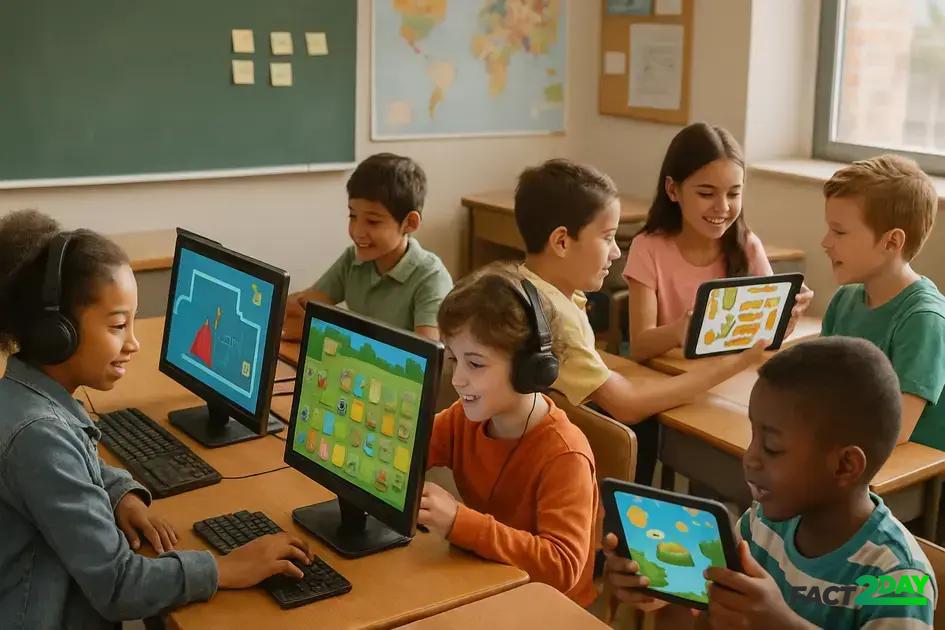
Games as learning tools use interactive video games to help people learn new skills or understand complex subjects in a fun way. They combine education with play, making learning less boring and more engaging. Unlike traditional methods, these games provide instant feedback, adapt to the learner’s pace, and encourage repeated practice without pressure.
How games improve learning
Playing educational games stimulates critical thinking, problem-solving, and decision-making. When players face challenges, they develop strategies and learn to apply knowledge practically. This active involvement makes concepts stick better than just reading or listening.
Why they matter in education
Traditional classrooms can struggle to keep students interested. Games as learning tools offer a dynamic alternative that suits different learning styles. They motivate learners by rewarding progress and providing clear goals. Research shows that educational games can increase retention and understanding, especially in subjects like math, science, and language.
In short, these games transform learning from a passive task into an enjoyable experience, making education more accessible and effective for diverse learners.
The science behind learning through video games
Learning through video games taps into how our brains process information and solve problems. When players engage with a game, they activate areas of the brain responsible for memory, attention, and coordination. This active involvement helps improve retention and understanding.
Role of feedback and motivation
Video games provide instant feedback, showing players right away if their actions are correct or need adjustment. This continuous feedback loop helps learners correct mistakes and encourages persistence, which is crucial for mastering new skills.
Engagement and brain plasticity
Games stimulate motivation by making learning fun and challenging. This engagement increases dopamine levels, a brain chemical linked to reward and learning. High motivation combined with repeated practice promotes brain plasticity, or the brain’s ability to adapt and grow.
By combining challenges, rewards, and interactive content, video games align with proven learning principles and can enhance traditional education methods.
Common challenges in using games for education
Using games for education comes with several challenges that educators and learners must consider. One major issue is ensuring that the games align well with learning goals. Not all games effectively teach the intended skills or knowledge, so selecting the right game is crucial.
Balancing fun and education
Many educational games struggle to find the right mix between entertainment and instructional content. Games that focus too much on fun may not deliver strong educational value, while overly academic games might fail to engage students.
Technical barriers
Access to devices, reliable internet, and proper technical support can limit the use of games in some schools or homes. This digital divide affects who benefits from game-based learning.
Teacher training and acceptance
Teachers may feel unprepared to integrate games into their lessons or doubt their effectiveness. Providing adequate training and evidence of impact is essential to gain teacher support.
Student distraction and misuse
Games can sometimes distract students from learning if not carefully monitored. Additionally, competitive or violent content may not be appropriate for all learners.
Addressing these challenges requires thoughtful planning, selecting appropriate games, and supporting both educators and students throughout the learning process.
Effective strategies for integrating games into learning
Integrating games into learning requires clear planning and smart strategies to maximize benefits. Start by selecting games that align with the curriculum and learning objectives. This ensures the game content supports what students need to learn.
Blend games with traditional teaching
Use games as a supplement to lessons rather than the sole teaching method. Combining games with lectures, discussions, and hands-on activities creates a balanced approach that caters to different learning styles.
Set clear goals and expectations
Before starting, explain to students what they should achieve through the game. Setting goals helps keep learners focused and encourages purposeful play.
Encourage collaboration and competition
Many educational games offer multiplayer modes or leaderboards. Encouraging teamwork and healthy competition increases engagement and enhances social skills.
Monitor progress and provide feedback
Track students’ performance within the game and discuss outcomes regularly. This helps identify areas where learners need extra help and reinforces key lessons.
Offer choice and variety
Different students enjoy different types of games. Providing a selection of games can cater to diverse interests and motivate learners.
With thoughtful integration, games become powerful tools that enrich education and foster deeper understanding.
Examples of educational games changing classrooms
Several educational games have made a real impact in classrooms by combining learning with fun. Kahoot! is a popular quiz-based game that encourages active participation and makes review sessions lively. It allows teachers to create custom quizzes that students answer in real time.
Minecraft: Education Edition
This version of Minecraft is designed for classrooms to teach subjects like math, history, and science through interactive building projects. Students develop creativity and teamwork skills while exploring educational content.
Duolingo
Duolingo turns language learning into a game with levels, rewards, and daily goals. It motivates students to practice regularly with its playful approach to speaking, reading, and writing new languages.
Prodigy Math Game
Prodigy adapts math questions to each student’s skill level, making practice personalized and enjoyable. The game format with fantasy elements keeps young learners engaged while improving math skills.
These examples show how games can transform classrooms by supporting different subjects, promoting engagement, and making learning interactive and effective.
How games enhance problem-solving and critical thinking
Games often present players with challenges that require thoughtful decisions and creative approaches. This helps develop problem-solving skills by encouraging players to analyze situations, test hypotheses, and find solutions.
Building critical thinking through gameplay
Many games require players to think ahead and consider multiple outcomes. This process enhances critical thinking, as players evaluate options, weigh risks, and adapt their strategies based on feedback.
Real-world applications
Skills gained from gaming can transfer to real-life situations. For example, strategy games improve planning abilities, while puzzle games sharpen logical reasoning. Players learn to break complex problems into smaller, manageable parts.
By facing varied in-game problems, learners strengthen their ability to think clearly, respond flexibly, and solve issues effectively in everyday life.
Emotional benefits of learning with video games
Learning through video games offers important emotional benefits that support overall well-being. Games create a safe space where learners can explore, make mistakes, and try again without fear of real-world consequences.
Boosting confidence and resilience
Success in games, whether solving a puzzle or completing a level, builds confidence and encourages persistence. When players overcome challenges, they develop resilience and a growth mindset.
Reducing stress and anxiety
Engaging in gameplay can serve as a positive distraction, reducing stress and anxiety levels. Many games include calming environments and rewarding experiences that help learners relax.
Encouraging social connection
Multiplayer and cooperative games foster social interaction and teamwork. These opportunities help learners develop communication skills and feel connected to peers, boosting emotional health.
By supporting emotional growth alongside cognitive skills, video games provide a balanced approach to education that nurtures both mind and heart.
Addressing practical concerns in game-based education
When using games in education, several practical concerns need careful attention to ensure effective learning experiences. One key concern is access to technology. Not all students have the same level of access to devices or reliable internet, which can create inequalities.
Ensuring inclusivity and accessibility
Schools must consider providing resources or alternative options for students who lack technology at home. This helps create a fair learning environment where everyone benefits from game-based education.
Maintaining balance with screen time
While games are engaging, it’s important to balance screen time with other learning activities. Teachers should plan game sessions thoughtfully to avoid excessive use that might cause fatigue or distraction.
Data privacy and security
Collecting and handling student data through games raises privacy concerns. Selecting platforms that follow strict data protection policies and informing parents about data use is essential.
Training and support for educators
Educators need proper training to integrate games effectively and troubleshoot issues. Ongoing support ensures that teachers feel confident and that the technology works as intended.
Addressing these concerns helps maximize the benefits of game-based learning while minimizing potential downsides.
Ways to motivate students with game learning tools
Motivating students using game learning tools involves creating an engaging and rewarding experience. One effective way is by setting clear goals and challenges that match the students’ skill levels. This personalized approach helps maintain interest and avoids frustration.
Use of rewards and feedback
Immediate feedback and rewards, such as points, badges, or unlocking new levels, encourage students to keep trying and improve. Recognizing achievements boosts confidence and motivation.
Encourage competition and collaboration
Games that foster friendly competition or teamwork appeal to many learners. Leaderboards and multiplayer modes inspire students to participate actively and learn from peers.
Offer choices and variety
Allowing students to select games or activities based on their interests increases engagement. Mixing different game types and subject focuses keeps the learning experience fresh.
By combining these strategies, educators can create a motivating environment where students feel excited to learn through games.
The role of teachers in game-based learning environments
Teachers play a crucial role in game-based learning environments by guiding students, facilitating discussions, and connecting game content to educational goals. They ensure that games supplement rather than replace traditional learning methods.
Facilitating meaningful learning experiences
Educators help students reflect on their in-game decisions and outcomes. This reflection deepens understanding and encourages applying skills beyond the game.
Customizing game use to student needs
Teachers assess individual student needs and select games that best fit learning objectives and abilities. This customization enhances engagement and supports differentiated instruction.
Monitoring progress and providing support
Active monitoring allows teachers to identify when students struggle and offer timely assistance. They also provide feedback that encourages growth and persistence.
Developing digital literacy skills
Teachers teach students how to navigate digital tools safely and effectively, fostering responsible technology use within game-based learning.
Overall, teachers bridge the gap between play and learning, ensuring games contribute positively to educational outcomes.
Evaluating the impact of games on student achievement
Evaluating the impact of games on student achievement involves measuring both academic outcomes and engagement levels. Teachers and researchers use tests, quizzes, and performance tasks to assess whether students have gained knowledge and skills from game-based learning.
Tracking progress through data
Many educational games provide detailed analytics on student performance. These reports help educators identify strengths and weaknesses, guiding instruction and support.
Comparing traditional and game-based learning outcomes
Studies often compare test scores and retention rates between students using games and those in traditional settings. Positive results include increased motivation, higher participation, and improved problem-solving abilities.
Considering qualitative feedback
Student and teacher feedback reveals how games affect attitudes, confidence, and collaboration. This insight complements quantitative data to provide a fuller picture of impact.
Careful evaluation helps refine game design and teaching methods to maximize benefits for student achievement.
Key factors for successful game-based learning programs
Successful game-based learning programs depend on several key factors that ensure both engagement and educational value. One important element is clear alignment between game content and curriculum goals. This ensures that gameplay supports what students need to learn.
Effective teacher involvement
Teachers play a vital role by selecting appropriate games, guiding student play, and integrating game experiences with other instructional methods.
Access to technology and resources
Reliable devices and internet access are essential to support seamless gameplay. Schools should plan to provide equitable access to avoid excluding any learners.
Ongoing support and training
Providing educators with training and technical support helps them use games confidently and troubleshoot issues.
Assessment and feedback mechanisms
Incorporating tools that track progress and offer feedback helps monitor learning outcomes and adapt teaching strategies.
By focusing on these factors, educational institutions can create engaging and effective game-based programs that enhance learning.
Long-term advantages of embracing educational games
Embracing educational games offers significant long-term benefits for both students and educators. Over time, students develop stronger critical thinking, problem-solving, and collaboration skills, which are essential for success in many fields.
Improved engagement and lifelong learning
Games create a love for learning by making education enjoyable. This positive attitude encourages students to continue seeking knowledge beyond the classroom.
Adaptability to future technologies
Regular use of educational games helps students become comfortable with technology, preparing them for a digital world where tech skills are vital.
Building social and emotional skills
Many games promote teamwork, communication, and resilience, which support emotional intelligence and better interpersonal relationships.
As educational games evolve, their continued use can transform learning environments to be more interactive, inclusive, and effective, benefiting generations of learners.
Embracing games as powerful learning tools
Video games offer a unique way to make education fun, engaging, and effective. They help develop key skills like problem-solving, critical thinking, and collaboration in ways traditional methods may not.
While challenges exist, thoughtful integration and support can unlock the full potential of game-based learning. Educators, students, and schools stand to gain long-term benefits from embracing these interactive tools.
By putting games at the heart of learning, we open doors to richer, more meaningful educational experiences for everyone.