Beyond Play: When Video Games Become Interactive Digital Museums for History and Art
Games as Digital Museums reveal how interactive video games transform history and art experiences, engaging players like never before.
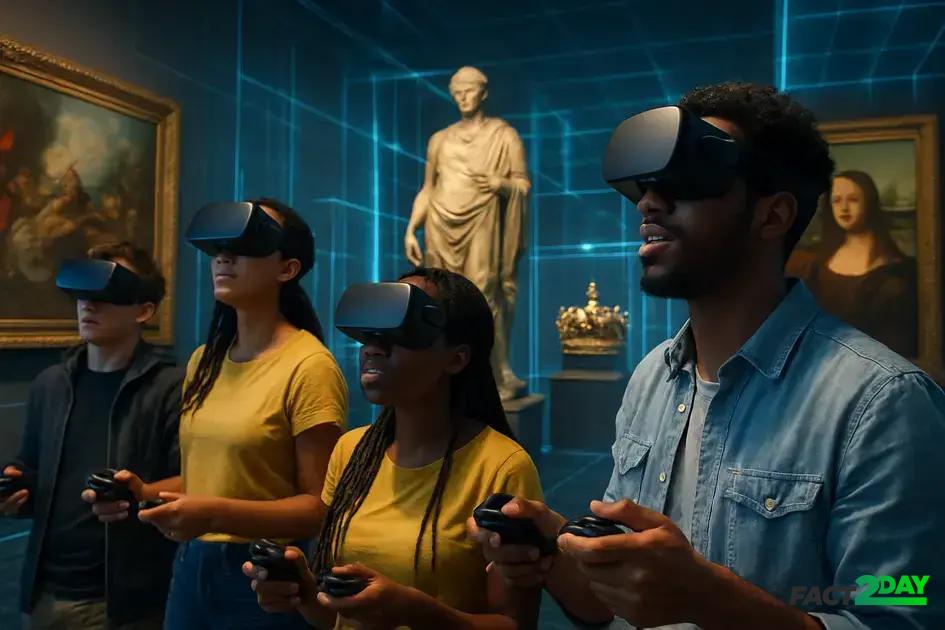
Games as Digital Museums transform video games into immersive, interactive spaces that preserve and showcase history and art, making cultural education engaging and accessible worldwide.
Have you ever thought about Games as Digital Museums? These innovative games blend history and art with interactive gameplay, inviting you to explore culture in a fresh, exciting way. Curious how it all works?
Understanding games as digital museums
Games as digital museums transform the way we interact with history and art by offering immersive, interactive environments. Unlike traditional museums, these games allow players to explore cultural artifacts and historical settings at their own pace, creating a personal connection to the content.
What are digital museums in gaming?
Digital museums within games are carefully crafted spaces where history, art, and culture are preserved and presented through interactive gameplay. Players can navigate through virtual exhibits, examine detailed recreations of artworks, and learn about historical events in an engaging way that static displays cannot replicate.
How do these games enhance learning?
They use interactivity to deepen understanding. Instead of passively viewing objects, players can manipulate items, solve puzzles related to historical facts, and even experience simulations of past lives or artistic movements. This active participation helps reinforce knowledge and stimulates curiosity.
Benefits over traditional museums
Accessibility is a major advantage, as anyone with a computer or gaming console can visit these digital museums from anywhere in the world. They also appeal to younger audiences who might not otherwise engage with history or art, offering education in a fun and memorable format.
The role of interactivity in learning history
Interactivity plays a crucial role in enhancing how we learn history through digital museums in games. When players actively engage with historical content, they are more likely to remember facts and understand context deeply compared to passive reading or viewing.
Engagement through exploration
Interactive games encourage users to explore historical environments freely. This process creates a sense of discovery as players uncover stories, artifacts, and events in a dynamic way. It helps connect dots that traditional textbooks or static exhibits might miss.
Learning by doing
Many games include puzzles, quests, or challenges based on historical events. Solving these requires critical thinking and application of knowledge, reinforcing what players have learned. This hands-on approach makes history tangible and less abstract.
Empathy and perspective
Through interactive storytelling, players can experience history from multiple viewpoints, including those of marginalized or lesser-known groups. This immersive involvement builds empathy and a richer understanding of complex social and cultural dynamics.
Overall, interactivity transforms history education into an active adventure, making learning memorable and enjoyable for diverse audiences.
How video games preserve art and culture
Video games serve as modern vessels for preserving art and culture by digitally archiving important works and traditions. They provide a platform where cultural heritage can be experienced interactively, making preservation both engaging and accessible.
Digital archiving of art
Games often feature highly detailed 3D models of artwork, sculptures, or historical sites. These digital recreations protect fragile objects from damage and allow players to study them up close without physical limitations.
Showcasing diverse cultures
Many games incorporate cultural elements such as music, mythology, architecture, and language from various societies. This immersive integration fosters appreciation and understanding across cultural boundaries, promoting global awareness.
Education through storytelling
Interactive narratives based on real cultural histories enable players to engage emotionally with traditions and folklore. Storytelling in games preserves intangible cultural elements that books or museums might struggle to convey effectively.
By blending technology with art and culture, video games are helping to maintain and spread heritage in a dynamic, evolving way.
Virtual tours: exploring museums through gameplay
Virtual tours in video games give players a unique way to explore museums and cultural sites from anywhere in the world. Through gameplay, users can navigate detailed virtual spaces that replicate real-life museums or imagined cultural environments.
Immersive exploration
These tours offer freedom to wander exhibits on your own schedule. Players can zoom in on artworks, read information plaques, and interact with exhibits, creating an experience similar to a physical visit.
Educational benefits
Virtual tours integrate multimedia elements like audio guides, video clips, and interactive quizzes to deepen understanding. This multi-sensory learning helps retain facts about art styles, historical events, and cultural artifacts.
Accessibility and inclusion
Virtual museum tours remove barriers for those unable to visit in person due to distance, cost, or mobility issues. Gamified environments also appeal to younger audiences, blending education with entertainment.
By combining technology and gameplay, virtual tours open new possibilities for cultural engagement and museum accessibility worldwide.
The impact of games on museum accessibility
Games have significantly improved museum accessibility by breaking down physical and economic barriers that often limit who can visit traditional museums. Through digital platforms, games make cultural content available anytime and anywhere.
Overcoming geographic limits
Many people live far from major museums or cannot travel easily. Games recreate museum experiences in virtual spaces, allowing users to explore exhibits and artifacts without leaving home.
Addressing physical and social barriers
Virtual museums in games are designed to be inclusive, offering adjustable settings and diverse interaction options for people with disabilities. This accessibility ensures a broader audience can engage with art and history.
Cost-effective cultural experiences
Digital games often reduce the costs associated with visiting museums, such as admission fees or travel expenses. This means people from different economic backgrounds can access valuable educational resources.
Overall, games expand participation in cultural learning by offering flexible and inclusive alternatives to traditional museum visits.
Case studies of games as historical archives
Games as historical archives offer unique ways to preserve and present history interactively. Several notable titles serve as examples of how video games can document, educate, and engage players with the past.
Case study: “Assassin’s Creed” series
This popular franchise meticulously reconstructs historical cities, events, and cultures. Players explore accurate architectural details, fashion, and societal norms, providing an immersive history lesson wrapped in engaging gameplay.
Case study: “Valiant Hearts: The Great War”
Set during World War I, this game combines storytelling with authentic photographs, documents, and artifacts. It educates players about the war’s human side while preserving archival material in an accessible way.
Case study: “Never Alone (Kisima Inŋitchuŋa)”
Developed in collaboration with Alaska Native communities, this game shares indigenous stories and culture. It acts as a digital archive for oral traditions and cultural practices, promoting awareness and respect.
These examples show how games go beyond entertainment to act as powerful tools for historical preservation and education.
Challenges in creating educational games
Creating educational games presents several challenges that developers must address to successfully blend learning and entertainment. Achieving a balance between engagement and educational value is often difficult.
Designing for diverse learning styles
Players absorb information differently, so games must accommodate various approaches like visual, auditory, and kinesthetic learning. This requires versatile content and adaptive gameplay mechanics.
Maintaining player engagement
Educational content can sometimes feel dry or overwhelming. Developers must weave learning seamlessly into fun gameplay, using rewards, storytelling, and challenges to keep players motivated without diluting the educational goals.
Accuracy and authenticity
Ensuring factual correctness while making the game accessible can be tough. Simplifying complex topics without losing important details demands careful research and thoughtful presentation.
Technical and budget constraints
Developing high-quality educational games requires resources for research, design, programming, and testing. Limited budgets can restrict features, resulting in less effective educational tools.
User feedback integration
Collecting and implementing feedback from educators and players is essential but challenging. It requires a flexible development process and ongoing updates to improve learning outcomes.
The future of museums in the digital age
The future of museums in the digital age is rapidly evolving as technology reshapes how we experience art, history, and culture. Digital innovations are making museums more interactive, accessible, and personalized.
Integration of virtual and augmented reality
Museums are adopting VR and AR to create immersive exhibits where visitors can engage with artifacts and environments like never before. These technologies allow for virtual reconstruction of historical sites and interactive storytelling.
Expanded access through online platforms
Digital collections and virtual tours allow people worldwide to explore museum exhibits without physical travel. This expands educational opportunities and cultural exchange across borders.
Personalized visitor experiences
Using AI and data analytics, museums can tailor exhibits and recommendations based on visitor interests and behaviors, enhancing engagement and learning outcomes.
Collaborations and crowdsourcing
Digital tools enable museums to collaborate globally, sharing resources and involving communities in curating content. Crowdsourced projects help preserve diverse perspectives and expand collections.
As technology continues to develop, museums will become dynamic digital spaces that blend traditional collections with innovative experiences, reaching wider audiences and preserving culture in new ways.
Engaging younger audiences through gaming
Engaging younger audiences through gaming is a powerful way to introduce history and art in formats they enjoy and understand. Video games leverage interactivity, challenges, and storytelling to capture attention and maintain interest.
Using gamification for learning
Incorporating rewards, levels, and goals turns education into a fun experience. This motivates younger players to explore content deeply and persist through learning challenges.
Relatable storytelling and characters
Games often feature characters or narratives that resonate with young people, making historical or artistic themes more approachable and memorable.
Interactive content boosts retention
Active participation in gameplay, such as solving puzzles or making decisions based on real events, enhances memory and understanding compared to passive learning.
Cross-platform accessibility
Games accessible on phones, tablets, and consoles meet younger audiences on their preferred devices, increasing reach and convenience.
By combining entertainment with education, games effectively spark curiosity and appreciation for history and art among youth, supporting lifelong learning habits.
Balancing entertainment and education in games
Balancing entertainment and education in games is essential to create experiences that are both engaging and informative. Developers must carefully blend fun gameplay mechanics with meaningful learning content to keep players motivated.
Integrating learning without sacrificing fun
Games must avoid feeling too much like traditional lessons. Incorporating educational content into challenges, storytelling, and rewards ensures players stay interested while absorbing knowledge.
Using storytelling to teach
Strong narratives and relatable characters help weave facts and historical context naturally into the gameplay. This allows players to learn through emotional connections and memorable scenarios.
Adaptive difficulty and pacing
Adjusting the complexity of puzzles or information based on player progress keeps the game accessible and prevents frustration, encouraging continued engagement.
Feedback and reinforcement
Immediate feedback on decisions or answers supports learning retention and helps players understand mistakes without feeling discouraged.
Success in educational games comes from thoughtful design that respects both the player’s need for enjoyment and the goal of knowledge transfer.
Embracing the future of games as digital museums
Video games have the unique ability to bring history and art to life through interactive and immersive experiences. By blending education with entertainment, they open new doors for learning and cultural preservation.
As technology advances, the gap between museums and gamers continues to close, making culture more accessible and engaging for all ages. Thoughtful design and creativity will keep pushing these digital museums forward.
Ultimately, games as digital museums are reshaping how we connect with the past and inspiring curiosity that can last a lifetime.