Saving Pixels: How Games Are Being Preserved Like Art
Game preservation reveals how classic titles are saved and cherished, keeping digital art alive for future generations to explore and enjoy.
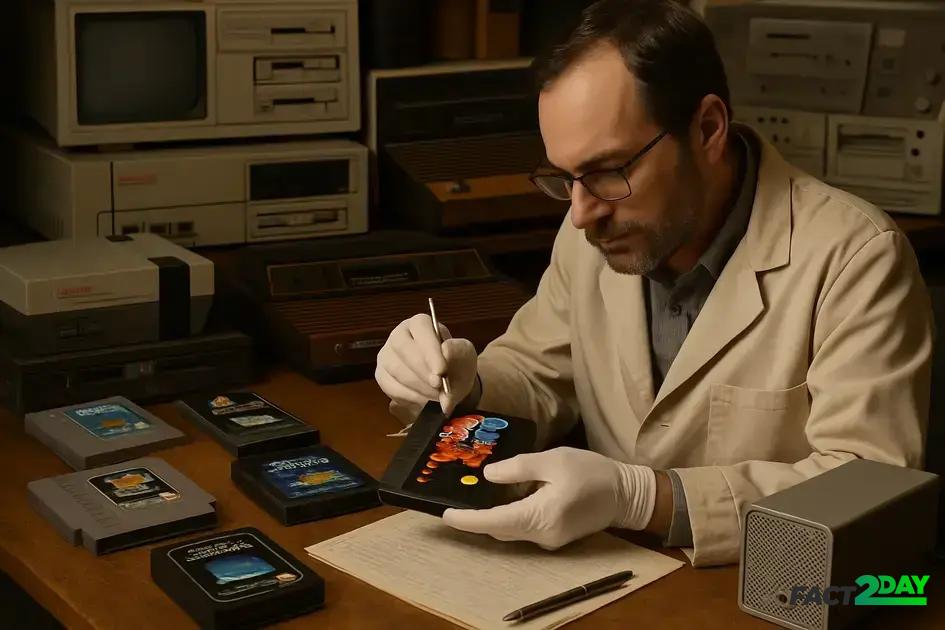
Game preservation involves protecting and maintaining video games as cultural artifacts through methods like emulation, hardware preservation, legal navigation, and community collaboration to ensure their accessibility and authenticity for future generations.
Game preservation invites us to think about the stories behind the pixels and how these digital treasures survive the passage of time. Have you ever wondered how classic games still speak to us today, decades after their release?
the importance of game preservation
Game preservation is crucial for maintaining the legacy of video games as a form of art and cultural history. These digital experiences reflect the creativity and technology of their time, offering insight into how entertainment and storytelling have evolved. Without preservation, many classic games risk being lost forever due to outdated hardware, software incompatibility, or degradation of physical media.
Why preserving games matters
Preserving games ensures that future generations can study and enjoy titles from the past. Much like preserving paintings or films, game preservation helps maintain cultural diversity and documents technological progress. It also supports academic research, game design education, and the celebration of gaming history.
The risks of neglecting game preservation
If games are not preserved, they can become inaccessible as old consoles and storage media deteriorate. Digital-only releases may vanish if servers shut down or platforms discontinue support. This loss would erase part of our shared digital heritage and limit access to influential works that shaped modern gaming.
methods used to preserve games
Various methods to preserve games are used to keep classic titles accessible for future players. One common approach is emulation, which involves creating software that mimics old consoles or hardware, allowing games to run on modern devices. This method helps overcome the physical limitations of outdated technology.
Physical preservation
Another key method is preserving original physical media such as cartridges, discs, and floppy disks. These items require careful storage to prevent damage from heat, moisture, or dust. Restoration techniques can sometimes recover data from damaged media, helping to save otherwise lost games.
Digital archiving and source code preservation
Archiving digital copies of games, manuals, and artwork is essential. Whenever possible, preserving the source code allows developers and historians to understand how games were built. Open-source projects and developer collaborations support this effort by making older games accessible legally and transparently.
The role of museums and institutions
Museums and dedicated institutions collect, maintain, and display game history through exhibitions and digital archives. These organizations create backups of rare games and provide public access to titles that might otherwise be forgotten.
challenges in preserving digital content
Preserving digital content faces unique challenges that complicate long-term access to video games. Rapid technology changes can render file formats, hardware, and software obsolete, making it difficult to keep games playable. For example, games designed for old consoles or operating systems may not work on modern devices without complex adaptation.
Data degradation and loss
Digital files are susceptible to corruption, bit rot, or accidental deletion. Physical media like CDs or cartridges can degrade over time, risking permanent loss of game data. Regular backups and maintenance are vital to combat these risks.
Legal and licensing issues
Copyright laws and licensing agreements often restrict copying and distributing games, even for preservation purposes. This can limit the ability of museums and archives to legally store and share classic games, posing a major hurdle for preservation efforts.
Hardware dependency and emulation limits
Many games rely on specific hardware quirks or peripherals that are difficult to replicate. While emulators help, they may not perfectly recreate the original experience or support all game features. Maintaining old hardware is costly and requires specialist knowledge.
Resource constraints
Effective preservation demands time, expertise, and funding. Many preservation groups operate with limited resources, making it challenging to keep up with the volume of content needing attention.
role of emulators and hardware
Emulators play a pivotal role in game preservation by mimicking original hardware on modern systems. This software allows old games to run on current devices without the need for the original consoles, extending their life and accessibility. Emulators can reproduce the behavior of classic game systems, supporting various platforms like arcade machines, consoles, and handheld devices.
Hardware preservation
Preserving the original hardware is equally important because it provides an authentic gaming experience. Collectors and museums often maintain old consoles, controllers, and related gear in working condition. These physical components help convey the true feel and performance of games as they were first played.
Combining emulation with hardware
Sometimes, emulation is supplemented with preserved hardware to enhance accuracy. For instance, developers use original circuit boards or controllers alongside emulators for testing and restoration. This hybrid approach helps overcome limitations of emulation, especially in reproducing unique hardware behaviors.
Community contributions
The gaming community contributes massively to emulator development and hardware preservation by sharing expertise, creating open-source tools, and maintaining collections. Their dedication ensures these technologies remain available and continue evolving to support more games and platforms.
community efforts in game preservation
Community efforts are vital in the world of game preservation. Enthusiasts, collectors, developers, and historians often come together to save, share, and restore old games. These groups work tirelessly to recover rare titles, document game history, and create or improve tools like emulators and databases.
Fan-driven projects and archives
Many preservation efforts stem from fan communities that organize digital archives, translate old games, or fix bugs in vintage titles. These projects ensure games remain playable and accessible, often filling gaps left by official publishers.
Open-source collaboration
Open-source platforms allow programmers worldwide to contribute to emulator development and preservation tools. This collaboration speeds up the creation of systems that replicate original gameplay and supports multiple game formats across devices.
Events and awareness campaigns
Community-led events, such as game preservation conferences and online forums, raise awareness about the importance of saving games. These gatherings foster knowledge exchange and encourage new members to join preservation initiatives.
Donations and support for museums
Communities often fundraise or donate hardware, software, and even games to museums and archives. This support helps institutions maintain their collections and offer public access to gaming history.
legal aspects of preserving games
Legal aspects play a significant role in game preservation, often complicating efforts to save and share classic titles. Copyright laws protect games as intellectual property, which means unauthorized copying, distribution, or modification can lead to legal issues. Preservationists must navigate these rules carefully to avoid infringement.
Copyright and ownership
Most games are protected by copyright for many years after release. The rights often belong to publishers or developers, who control how games are distributed and accessed. This control can limit public access to older games, especially if companies no longer support them.
Fair use and preservation
Some preservation efforts rely on fair use exceptions, allowing limited copying or display for educational, archival, or research purposes. However, fair use laws vary by country and are often subject to interpretation, creating uncertainty for preservation groups.
Licensing and digital rights management (DRM)
Digital games frequently use licensing agreements and DRM to restrict copying or offline play. These protections pose challenges in creating backups or emulating games for preservation. Circumventing DRM can be illegal, even if done for preservation.
The role of publishers and legal reforms
Some publishers actively support preservation by releasing game source code or creating official archives. Legal reforms advocating for clearer preservation rights aim to balance intellectual property protection with cultural heritage needs.
archiving game source code and assets
Archiving game source code and assets is a crucial part of game preservation. It involves saving the original code, graphics, sound files, and other components that make up a video game. Having access to these materials allows developers and historians to study and recreate games accurately.
Importance of source code
The source code is the blueprint of a game. Preserving it helps understand how the game works, fix bugs, or port it to new platforms. Without the source code, recreations may be inaccurate or impossible.
Preserving art and assets
Alongside code, game assets like sprites, textures, and music files contain the visual and audio elements that give a game its unique feel. Archiving these ensures that the game’s original look and sound can be preserved or restored.
Challenges in archiving
Archiving source code and assets can be difficult due to proprietary restrictions and data loss risks. Sometimes, source materials are incomplete or lost, requiring restoration or reverse engineering from the finished games.
Collaboration for archiving
Developers, publishers, and fans often collaborate to gather, document, and store source materials safely. Open repositories and digital libraries play a key role in making these resources accessible for preservation and study.
video games as cultural artifacts
Video games are more than just entertainment; they are cultural artifacts that capture the values, technology, and creativity of their time. As digital artworks, games tell stories, reflect societal trends, and influence popular culture globally.
Games as historical records
Many games document the technology and art style of their era, providing insight into the evolution of graphics, sound, and storytelling. They also reveal social attitudes and cultural movements, making them valuable for historians and researchers.
Impact on society and culture
Video games have shaped how people communicate, learn, and interact. From iconic characters to memorable narratives, they contribute to shared cultural experiences and community building.
Preserving cultural heritage through games
By treating games as cultural artifacts, preservation efforts emphasize maintaining authenticity and context. This includes not only saving the games but also related materials like artwork, manuals, and player communities that define the gaming culture.
Recognition by institutions
Museums, libraries, and academic institutions increasingly recognize video games as important cultural artifacts. Exhibitions and research projects help legitimize games as a form of art and historical record.
collaborations between museums and developers
Collaborations between museums and developers have become essential in preserving the history and legacy of video games. Museums benefit from developers’ technical knowledge, while developers gain platforms to showcase their work and promote game preservation.
Joint preservation projects
Museums often team up with game developers to archive source code, hardware, and digital artwork. These partnerships enable accurate preservation and help create exhibits that reflect the authentic gaming experience.
Exhibitions and public engagement
Developers contribute to museum exhibits by providing original game versions, demos, and insights into game creation. This cooperation brings interactivity and storytelling to exhibits, enriching visitor experience.
Educational programs
Collaborative efforts extend to educational initiatives where museums and developers host workshops, talks, and seminars. These programs teach game design principles and the importance of preservation to new generations.
Supporting digital archives
Developers assist museums by donating game assets and source code or by helping build and maintain digital archives. This support ensures games remain accessible for research and public enjoyment.
future technologies in game preservation
Future technologies hold great promise for advancing game preservation efforts. Innovations in artificial intelligence, cloud computing, and digital archiving are creating new ways to protect, restore, and access classic games.
AI-powered restoration and enhancement
Artificial intelligence can analyze old game graphics and audio to enhance their quality, fixing visual artifacts and improving sound clarity. AI may also help reconstruct damaged or missing game data, making preservation more effective.
Cloud-based preservation
Cloud storage allows vast libraries of games and related data to be backed up securely and accessed remotely. This approach reduces the risk of data loss from physical damage and provides easier public access to preserved titles.
Virtual and augmented reality
Emerging VR and AR technologies could offer new ways to experience preserved games and their history. Museums and archives might create immersive exhibits where visitors interact with games in realistic, engaging environments.
Blockchain for authenticity
Blockchain technology can be used to verify the authenticity and provenance of digital games and assets. This can help combat piracy and ensure that preserved games retain their original integrity over time.
Preserving the legacy of video games
Game preservation is essential to keep the art and history of video games alive for future generations. By using new technologies, community efforts, and collaborations, we can overcome challenges and protect these cultural treasures.
As technology evolves, preservation methods will improve, ensuring that classic games remain accessible and appreciated. Preserving video games as cultural artifacts helps us understand our digital past and inspires the future of gaming.
Embracing game preservation means valuing the creativity and history behind every pixel, creating a rich legacy for players and researchers to explore.