Mushrooms May Have a Hidden Language Underground
Discover how fungi communication reveals a secret underground language that connects mushrooms in surprising ways.
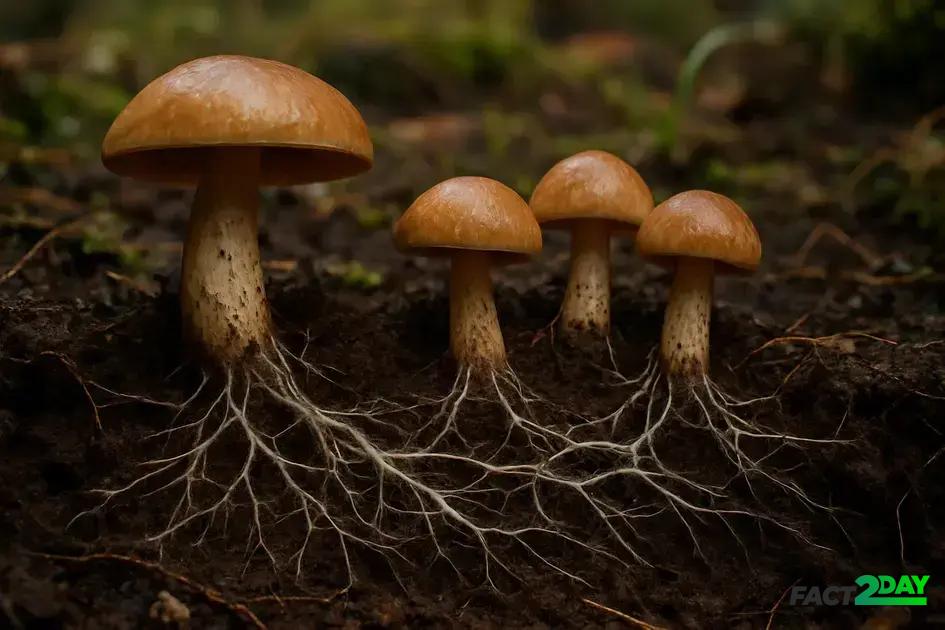
Fungi communication involves underground mycelium networks that transmit chemical and electrical signals to coordinate growth, share resources, and support plant health, revealing complex interactions that sustain ecosystems and inspire technological innovations.
Fungi communication sounds like a sci-fi concept, but nature might be chatting underground in ways we barely understand. Ever wondered how mushrooms seem to interact hidden beneath the soil? Let’s dig into this fascinating world and what it might mean for us.
what is fungi communication and why it matters
Fungi communication refers to the complex ways fungi interact with each other and their environment. Unlike animals, fungi don’t have brains or nerves, but they use chemical signals and underground networks called mycelium to share information. These signals help fungi coordinate growth, find nutrients, and respond to threats.
How fungi send and receive signals
Fungi release molecules into the soil that can affect nearby fungi and plants. These chemical messages can trigger changes, such as growing toward food sources or activating defenses against harmful organisms. The mycelium network acts like a vast internet of threads connecting individual fungi, enabling them to send electrical and biochemical signals.
Why fungi communication matters
This hidden language helps maintain healthy ecosystems by supporting plant growth and recycling nutrients. Understanding fungi communication can improve agriculture, forestry, and even medicine by harnessing these natural processes. Scientists are still uncovering new ways fungi support life, showing that their communication is a vital part of nature.
how mushrooms exchange information underground
Mushrooms exchange information underground primarily through an extensive network called mycelium. This web-like structure, made up of tiny thread-like cells, spreads beneath the soil and connects different fungi and plants. Through mycelium, mushrooms can send chemical and electrical signals over long distances.
Chemical signaling
Fungi release chemicals called signaling molecules into the soil, which act like messages to other nearby organisms. These molecules can warn other fungi of dangers, such as predators or harmful conditions, or alert plants to prepare defenses.
Electrical impulses
Recent studies suggest mushrooms can also transmit information using electrical impulses through the mycelium, similar to a nervous system. These impulses help coordinate growth and respond quickly to environmental changes.
Sharing nutrients and resources
Mycelium also allows mushrooms to share nutrients with each other and with plants. For example, a mushroom with access to plenty of nutrients can support others in need, promoting a cooperative underground community.
By exchanging information and resources, mushrooms create a dynamic network that sustains their survival and benefits the entire ecosystem.
the role of mycelium networks in communication
Mycelium networks act as the communication highway for fungi underground. These vast and intricate webs of fine, thread-like structures connect individual fungi and even different species together. Through these networks, fungi can exchange vital information to survive and thrive.
Structure and function of mycelium
Mycelium is composed of tiny filaments called hyphae that grow and branch extensively, covering large areas beneath the soil. This structure allows the transfer of nutrients, water, and signals between fungi and with surrounding plants.
Signal transmission in mycelium
Mycelium networks transmit chemical signals to alert fungi about environmental changes such as drought or attack by pathogens. These signals help coordinate growth and trigger defense mechanisms, showing a form of collective response.
Mycelium’s role in ecosystem connectivity
Mycelium not only connects fungi, but also forms symbiotic relationships with plant roots, termed mycorrhiza. This connection benefits plants by enhancing nutrient and water uptake, while fungi receive sugars from plants. The mycelium network essentially acts like an underground internet linking the ecosystem.
scientific discoveries behind fungi signaling
Recent scientific discoveries have shed light on the fascinating world of fungi signaling. Researchers found that fungi use a mix of chemical, electrical, and molecular signals to communicate underground. These signals help fungi adapt quickly to changes and coordinate with other organisms.
Chemical messengers in fungi communication
Scientists have identified specific chemicals like hormones and pheromones that fungi release to send warnings or share information about food sources. These compounds travel through the mycelium and soil to reach other fungi or plants.
Electrical signals and their role
New studies show that fungi can generate electrical impulses similar to nerve signals in animals. These impulses travel along the mycelium network, allowing fast information transfer that helps fungi respond immediately to environmental dangers or opportunities.
Molecular insights and genetic research
Genetic research has helped identify genes responsible for signal production and reception in fungi. Understanding these mechanisms opens doors to innovative uses, such as improving agriculture by enhancing beneficial fungi communication.
These discoveries demonstrate that fungi signaling is a sophisticated and active process, vital for ecosystem health and resilience.
impacts of fungi communication on ecosystems
Fungi communication plays a vital role in maintaining healthy ecosystems. Through their underground networks, fungi connect plants, trees, and other organisms, enabling vital exchanges that support life above and below the soil.
Supporting plant health and growth
Mycelium networks allow fungi to share nutrients and water with plants, which boosts their growth and resilience. This relationship, called mycorrhiza, helps plants withstand drought, diseases, and poor soil conditions.
Recycling nutrients
Fungi break down dead organic matter, recycling nutrients back into the soil. Their communication systems help coordinate this decomposition process efficiently, ensuring nutrients are available for other organisms.
Enhancing biodiversity
By connecting different species, fungi foster diverse plant communities and support wildlife habitats. Their networks create a dynamic environment where organisms can thrive and adapt to changes.
Through these impacts, fungi communication not only sustains individual species but also strengthens entire ecosystems, highlighting its essential ecological role.
how understanding fungi can inspire new technologies
Understanding fungi communication can inspire innovative technologies by mimicking nature’s efficient systems. Scientists and engineers are exploring how fungi networks manage resource sharing and information flow to develop new tools.
Bio-inspired networking systems
Mycelium networks inspire better ways to design communication systems, such as the internet or wireless networks. The way fungi balance load and reroute information can improve data transfer and resilience in technology.
Sustainable materials
Fungi are used to create biodegradable materials like packaging and building products. By understanding fungal growth and communication, these materials can be engineered to be stronger and more adaptable.
Environmental monitoring and cleanup
Studying fungi signaling helps develop biosensors that detect pollutants or changes in environments. Moreover, fungi can aid in cleaning soils or water, and technology inspired by their communication can enhance these processes.
By learning from fungi, tech innovators can develop solutions that are efficient, adaptable, and environmentally friendly, creating a future where technology harmonizes with nature.
Exploring the hidden language of fungi
Fungi communication reveals a fascinating underground network that supports entire ecosystems. By sharing information and resources through mycelium, fungi help plants grow, recycle nutrients, and maintain biodiversity.
Scientific discoveries continue to uncover how complex and vital these signals are. Understanding fungi not only sheds light on nature’s mysteries but also inspires new technologies to improve our world.
As we learn more, these hidden networks remind us of the intricate connections that sustain life beneath our feet.