The ‘Wood Wide Web’ Revealed: The Secret Communication of Mycelial Networks in Forests
Discover how fungal networks secretly communicate beneath forest floors, shaping ecosystems in fascinating ways.
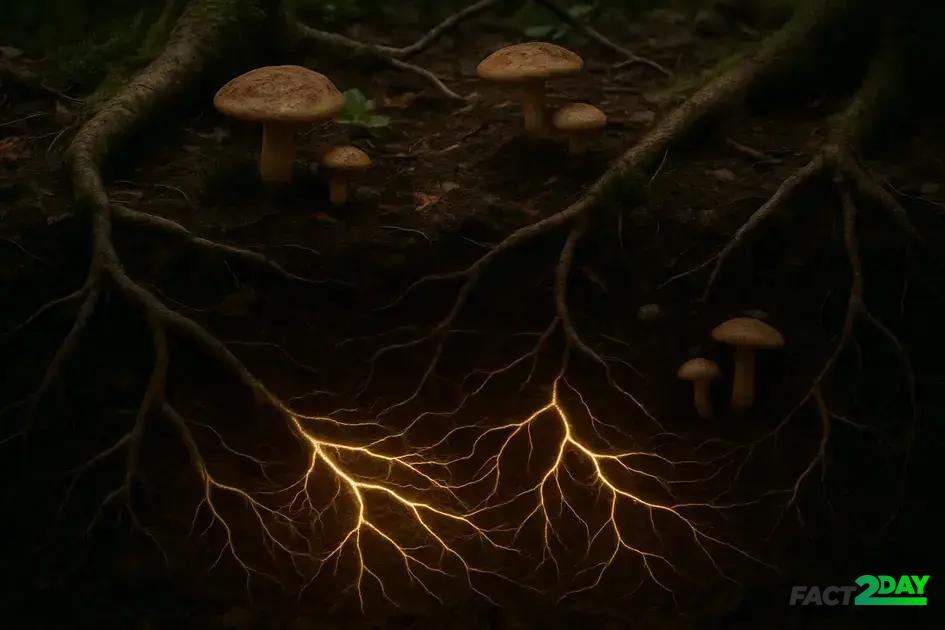
Fungal networks are underground mycelial systems that connect plant roots, facilitating nutrient exchange, communication, and ecosystem resilience essential for forest health and biodiversity.
Fungal networks weave an unseen web beneath our feet, silently connecting life in forests. Have you ever wondered how trees and plants might share messages through this hidden world? Let’s explore how these mycelial threads create a secret communication system stretching through the soil, inviting us to see forests in an entirely new light.
understanding fungal networks and their role
Fungal networks are vast underground systems formed by mycelium, the thread-like structures of fungi. These networks connect the roots of different plants and trees, enabling them to exchange nutrients, water, and chemical signals. By linking individual organisms, fungal networks create a communal web that supports forest health and resilience.
What Are Fungal Networks?
Fungal networks consist mainly of mycelium, which spreads through soil and decaying wood. This web acts as a natural internet for forests, allowing communication and resource sharing between plants that might otherwise remain isolated. It plays a crucial role in nutrient cycling by breaking down organic matter.
The Role in Ecosystems
These networks help plants absorb water and minerals more efficiently and can even boost their defenses against pests and diseases. By connecting diverse plant species, fungal networks promote biodiversity and help maintain balanced ecosystems.
Understanding how these networks function reveals a hidden layer of cooperation in nature, where fungi act as mediators between soil and plants, strengthening the forest community as a whole.
the science behind mycelial communication
Mycelial communication happens through chemical signals that travel along fungal networks, allowing fungi and plants to send messages to each other. This process helps plants warn neighbors about threats like pests or drought, making the entire ecosystem more resilient.
How Signals Travel
Fungi use a system of tiny tubes called hyphae to move nutrients and chemical signals swiftly across large distances underground. These signals can trigger changes in plant behavior, such as increased production of defensive chemicals or growth adjustments to better survive in their environment.
The Role of Mycorrhizal Fungi
Mycorrhizal fungi form partnerships with plant roots by wrapping around them or penetrating them. These fungi actively exchange nutrients for sugars produced by the plants in photosynthesis. This tight relationship enhances communication, making exchanges faster and more efficient.
Research shows that the mycelial network acts like a natural information highway, coordinating complex interactions that benefit entire forests by supporting growth, sharing resources, and responding to environmental changes.
how fungal networks support forest health
Fungal networks play a vital role in maintaining forest health by improving soil quality and supporting plant growth. They break down dead organic material, recycling nutrients that enrich the soil and make it fertile for new plants. This natural process is essential for sustaining diverse and thriving forest ecosystems.
Enhancing Nutrient Availability
Mycelium absorbs nutrients like nitrogen and phosphorus and distributes them to connected plants. This sharing ensures that even those in nutrient-poor areas receive what they need to grow strong. It also helps trees recover from stress caused by drought or disease.
Protecting Against Disease and Stress
Some fungi produce chemicals that protect plants from harmful pathogens. By forming mutualistic relationships with roots, fungal networks can boost a plant’s defense system and increase its resilience. Additionally, they help plants cope with environmental stressors such as temperature changes.
Overall, these networks create a support system underground that sustains the forest, allowing plants to communicate and cooperate for mutual benefit.
the impact of fungal networks on plant communities
Fungal networks influence plant communities by shaping how different species grow and compete. These networks connect various plants underground, allowing them to share nutrients and chemical signals that affect growth patterns and survival. This cooperation can promote diversity and balance within forests.
Supporting Seedlings and New Growth
Mycelial connections help young plants get a better start by supplying them with essential nutrients from mature trees. This support increases seedling survival rates and helps forests regenerate more effectively after disturbances like fires.
Balancing Plant Competition
While fungal networks support growth, they can also control competition by favoring some plants over others based on nutrient exchange. This dynamic influences which species dominate and which remain less abundant, maintaining a healthy ecosystem balance.
By mediating resource flow and communication, fungal networks create a foundation for plant communities to thrive together, enhancing forest resilience and biodiversity.
exploring mycelium’s role in nutrient distribution
Mycelium serves as a natural highway for nutrient distribution in forests. These thread-like structures spread wide underground, absorbing nutrients from the soil and dead matter. Then, they distribute essential minerals like nitrogen and phosphorus directly to plants connected through the fungal network.
Efficient Nutrient Exchange
Through the mycelium, fungi transport nutrients to plants in exchange for sugars made during photosynthesis. This mutual exchange benefits both parties and improves overall forest health by ensuring plants receive what they need to grow strong.
Recycling Nutrients
Mycelium also plays a key role in breaking down organic material such as fallen leaves, wood, and dead animals. This recycling process turns complex compounds into forms plants can absorb, sustaining the nutrient cycle.
Thanks to mycelium’s extensive reach, nutrients move quickly and efficiently, supporting diverse plant species, even those far away from nutrient-rich zones. This underground network creates a resilient ecosystem where resources never go to waste.
future research and conservation of fungal networks
Future research on fungal networks is focused on uncovering more about their complex communication and ecological roles. Scientists use advanced tools like DNA sequencing and imaging technology to explore how these networks adapt to environmental changes and support biodiversity.
Innovations in Research
New methods allow researchers to observe fungal activity in real time and understand how mycelium connects various plants and organisms. This knowledge can reveal how fungal networks respond to threats such as climate change and deforestation.
Conservation Efforts
Protecting fungal networks is crucial for maintaining healthy ecosystems. Conservation programs aim to preserve forests and soil quality, ensuring that mycelial networks continue to support plant life and ecosystem services. Public awareness and sustainable land management also play key roles in conservation.
Fungal networks are indispensable for forest resilience, and ongoing research combined with conservation will help safeguard these hidden webs for future generations.
Unlocking the Secrets of Fungal Networks
Fungal networks play a fascinating and vital role in forest ecosystems, connecting plants and helping them share nutrients and information. By learning more about these hidden webs, scientists and conservationists can better protect our forests and ensure their health for the future.
Understanding and preserving fungal networks not only supports biodiversity but also strengthens the resilience of entire ecosystems. As research continues, the secrets of the wood wide web will help us appreciate the natural world in new and profound ways.