Frogs That Freeze Solid—and Come Back to Life
Discover how frog cryopreservation allows certain frogs to freeze solid and revive, revealing nature’s amazing survival secrets.
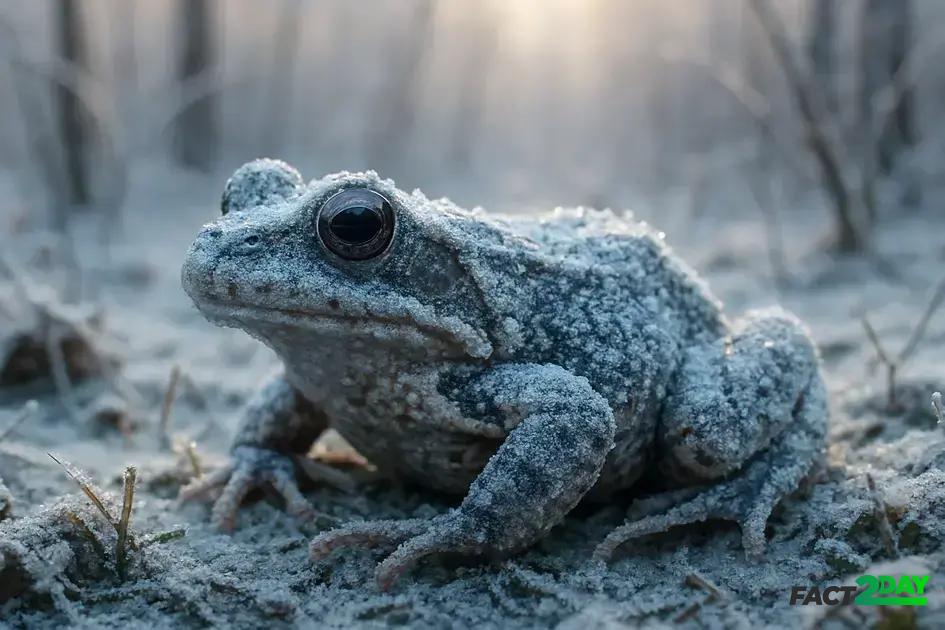
Frog cryopreservation is a natural process where certain frogs survive freezing solid by producing glucose and antifreeze proteins, preventing cell damage during freezing and thawing, enabling them to enter suspended animation and revive after winter.
Have you ever wondered about frog cryopreservation? Imagine frogs freezing solid in winter, then waking up as if from a deep sleep. This natural marvel invites us to rethink what life can endure and the secrets held in cold silence.
what is frog cryopreservation and how it works
Frog cryopreservation is a natural process in which some frog species survive being frozen solid during cold winters. Instead of dying from ice formation, their bodies enter a state of suspended animation. This remarkable survival strategy works by controlling ice formation mainly outside their cells, preventing damage to their organs and tissues.
During freezing, frogs produce special molecules that act like antifreeze, such as glucose and other cryoprotectants. These substances increase inside the cells, balancing the water loss caused by ice outside. This reduces the risk of cells shrinking or bursting, which could be fatal. Scientists call this controlled freezing this unique adaptation.
How the process happens in frogs
First, the frog senses the temperature drop and starts shutting down its normal metabolic functions. Then, ice begins to form in the spaces between cells rather than inside. This extracellular ice formation is less harmful. The frog’s heart stops beating, and breathing ceases, but the brain remains viable in this frozen state.
When temperatures rise, the frog naturally thaws and reactivates its body systems. The cryoprotectants help prevent damage during thawing by stabilizing proteins and membranes. The frog then resumes normal activity as if awakening from a deep sleep.
This unique mechanism offers valuable insights into cryopreservation science, which aims to preserve cells and tissues at low temperatures. Understanding how frogs survive freezing could help improve medical techniques like organ preservation and cold storage.
the science behind frogs freezing solid
Frogs that freeze solid have evolved fascinating mechanisms to survive extreme cold. The science behind frogs freezing solid centers on how their bodies control ice formation and protect delicate cells from damage. When temperatures drop, ice forms outside their cells, but inside, special molecules prevent the water from freezing solid.
Diving deeper, these frogs produce large amounts of glucose, acting as a natural antifreeze. This sugar floods their cells, lowering the freezing point and stabilizing cell structures. Without this, ice crystals could puncture cell membranes, which would be fatal.
Role of ice nucleation and cryoprotectants
Ice nucleation begins on the skin and in body fluids, causing water outside cells to freeze first. This prompts water to move out of the cells to balance pressure, but cryoprotectants like glucose ensure cells do not dehydrate excessively.
Metabolic activity slows down nearly to a stop, and organs like the heart and lungs cease functioning temporarily. The frogs enter a state similar to suspended animation, conserving energy until temperatures rise again.
Scientists study these adaptations to understand how freezing affects living tissues, aiming to apply this knowledge to medical fields such as organ preservation and improving cryopreservation techniques.
species known for remarkable freeze tolerance
Several frog species are famous for their remarkable ability to tolerate freezing temperatures. Among the most studied are the wood frog (Rana sylvatica), the spring peeper (Pseudacris crucifer), and the gray treefrog (Hyla versicolor), all native to North America.
Wood frogs are known for their incredible freeze tolerance. They can survive being frozen for weeks at a time during winter, with ice forming in their body cavities but never inside their cells. This allows them to essentially pause their life functions and thaw back with spring.
Unique adaptations of freeze-tolerant species
The spring peeper also produces glucose as a natural antifreeze to protect cell structures. This species often survives in cold, marshy habitats where freezing conditions are common.
Meanwhile, the gray treefrog can freeze solid and thaw repeatedly without harm, an adaptation helping it live in temperate forests with harsh winters.
These species share similar survival tactics: producing cryoprotectants, avoiding ice formation inside cells, and slowing metabolism to near standstill. Their evolutionary adaptations offer insight into animal resilience and have inspired research into medical cryopreservation.
biological processes during freezing and thawing
During the freezing process, frogs undergo remarkable biological changes that enable survival in extreme cold. When temperatures fall, blood flow slows and ice forms primarily in the body cavity and spaces between cells. This extracellular ice formation helps protect vital organs.
Metabolic shutdown and protective responses
The frog’s metabolism nearly stops, reducing energy consumption to a bare minimum. The heart and lungs cease functioning, while the brain becomes dormant but remains intact to reactivate once thawed.
Frogs increase the production of glucose, a key cryoprotectant, which floods their cells. This sugar stabilizes cell membranes and prevents ice crystals from damaging cell structures during freezing.
The thawing process
When temperatures rise, the ice melts gradually. As the frog thaws, normal heart and lung activities resume, and metabolic processes restart. The glucose inside cells helps guard against damage caused by ice melting and water movement.
This carefully balanced freezing and thawing process allows frogs to survive weeks without oxygen or circulation, then return to full activity once conditions improve.
how frogs survive without oxygen during freezing
Frogs that freeze solid face a major challenge: surviving without oxygen for extended periods. During freezing, their hearts stop beating and breathing halts, which means no oxygen reaches their tissues. Yet, these frogs endure this oxygen deprivation through remarkable adaptations.
Metabolic suppression and energy conservation
One key adaptation is a dramatic slowdown of metabolism. Frogs reduce their energy needs to a minimum, conserving reserves by entering a state close to suspended animation. This metabolism suppression helps protect cells from damage due to lack of oxygen.
Anaerobic metabolism also plays a role, allowing cells to generate energy without oxygen, though in limited amounts. Frogs produce substances like lactate to manage this process and avoid harmful buildup of waste products.
Protective molecules and antioxidant defenses
Additionally, frogs boost antioxidant defenses to combat damage caused when oxygen supply returns during thawing. These antioxidants neutralize harmful molecules that form during this stressful phase.
Together, these strategies enable frogs to survive frozen, oxygen-free conditions, then revive with full function once temperatures rise and oxygen flow resumes.
the role of glucose and antifreeze in cells
Glucose and natural antifreeze compounds are essential for frogs to survive freezing temperatures. When temperatures drop, frogs produce high levels of glucose, which acts as a cryoprotectant by flooding their cells. This glucose lowers the freezing point inside their cells and prevents ice crystals from forming where they could cause damage.
How glucose protects cells
Glucose helps balance the movement of water during freezing by replacing lost water molecules inside the cells, reducing dehydration and shrinkage. This protects the delicate membranes and organelles within each cell.
Besides glucose, frogs produce small amounts of antifreeze proteins and other molecules that inhibit ice crystal growth. These proteins bind to ice crystals and stop them from growing larger, which keeps cell structures intact.
The combined effect of glucose and antifreeze proteins ensures cells remain stable, even when the frog’s body is partially frozen solid. This natural protection helps frogs survive long periods of freezing until temperatures rise again.
implications of frog cryopreservation for science
The study of frog cryopreservation has important implications for science, especially in medicine and conservation. Understanding how frogs survive freezing can lead to advances in preserving human organs and tissues for transplantation.
Advancements in medical cryopreservation
Frogs produce natural cryoprotectants like glucose to protect their cells during freezing. Learning from these mechanisms, scientists aim to improve methods for organ preservation, extending the time organs can be stored before transplantation with less damage.
Research into frog freeze tolerance can also aid in developing better cryopreservation techniques for blood cells, sperm, eggs, and embryos, which are vital for fertility treatments and genetic research.
Conservation and environmental applications
Beyond medicine, frog cryopreservation contributes to conservation efforts. By better understanding cold tolerance in amphibians, scientists can help protect species facing habitat loss and climate change.
Additionally, this knowledge might inspire strategies to preserve other wildlife species affected by extreme temperatures or seasonal changes.
Overall, frog cryopreservation serves as a natural model guiding innovations in science, offering hope for improving human health and preserving biodiversity.
how understanding frogs can inspire medicine
Understanding how frogs survive freezing temperatures offers valuable lessons for medicine. Their unique ability to enter a suspended state and protect cells can inspire new ways to preserve human tissues and organs.
Applications in organ preservation
Frogs use natural cryoprotectants like glucose to shield their cells from ice damage. This insight helps scientists develop improved solutions to keep organs viable during transport, potentially increasing transplant success rates.
Potential for improving cryosurgery and cancer treatment
The mechanisms frogs use to manage freezing and thawing can also guide advances in cryosurgery. Controlled freezing is a technique used to destroy abnormal tissues, and studying frogs might help make this process safer and more effective.
Research into antioxidant defenses seen in frogs during freezing can inform treatments that reduce cell damage from oxidative stress, which is common in many medical conditions.
Overall, frog cryopreservation research bridges biology and medicine, offering promising innovations to improve human health and recovery.
Embracing the Marvels of Frog Cryopreservation
Frogs that freeze solid and come back to life showcase one of nature’s most fascinating survival strategies. Their ability to protect cells, slow metabolism, and endure oxygen loss reveals remarkable biological resilience.
Studying these frogs provides valuable insights that inspire medical advances, from organ preservation to improved cryosurgery. This natural phenomenon bridges wildlife biology and human health, proving that nature often holds the keys to innovation.
By learning more about frog cryopreservation, we can unlock new ways to enhance medicine and conserve wildlife, making these tiny creatures powerful teachers in science and survival.