The Gladiators of Yore: History’s Most Bizarre and Dangerous Forgotten Sports
Explore forgotten sports from history that were bizarre and dangerous, revealing thrilling contests that time almost erased.
Forgotten sports were often brutal, dangerous contests reflecting the social, cultural, and martial values of past societies, showcasing unique challenges and entertainment forms that shaped human history.
Have you ever wondered about forgotten sports that once captivated crowds with their odd and perilous nature? Some games from history were as much about survival and spectacle as they were about play. Join me in uncovering these fascinating, almost mythical contests.
ancient gladiator games and their brutal challenges
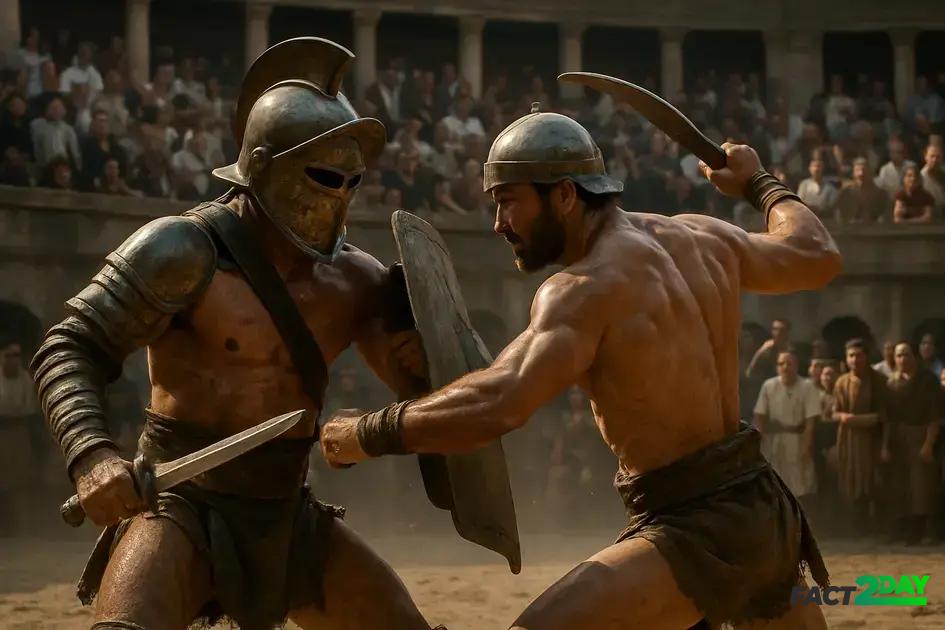
Ancient gladiator games were among the most brutal and deadly sports in history, held primarily in Roman arenas. Fighters, often slaves or prisoners, faced extreme physical challenges where skill, strength, and endurance determined survival. These contests were not just about combat but also entertained vast crowds with their high stakes and blood sport nature.
Types of Gladiators and Their Weapons
Different classes of gladiators used specific weapons and armor, creating varied and unpredictable battles. For example, the murmillo wore heavy armor and wielded a large sword, while the retiarius fought with a net and trident, relying on agility. Such diversity made every fight unique and challenging.
Physical and Mental Demands
Gladiators trained rigorously in specialized schools to build strength and improve technique. The games demanded not only physical power but mental toughness to remain calm amid chaos. Facing certain death, many forged bonds with their trainers and fellow fighters, emphasizing survival instincts.
The Spectacle and Cultural Impact
These games served as more than entertainment; they were political tools to demonstrate power and distract the public. The arenas could hold tens of thousands of spectators, and each fight was a dramatic event. Gladiator games have influenced modern combat sports and remain a symbol of ancient Rome’s complex society.
lost medieval sports that pushed physical limits
Medieval times hosted a variety of sports that tested the physical strength and endurance of participants, many of which are now lost to history. These sports often combined elements of combat, agility, and stamina, reflecting the harsh realities and martial culture of the era.
Jousting and Knightly Tournaments
One of the most iconic medieval sports was jousting. Knights on horseback charged at each other armed with lances, aiming to unseat their opponent. This sport demanded not only strength but precision and courage, as collisions could be deadly.
Football-like Games
Medieval football was a chaotic, rough game involving large groups trying to move a ball to a goal. It lacked many rules and safety precautions, often resulting in injuries. Its physical nature sharply contrasts with modern, organized football.
Other Dangerous Physical Contests
Sports like wrestling, spear throwing, and melees pushed physical limits and often had violent outcomes. These contests helped warriors train for battle, developing skills critical for survival. The intensity and danger of these sports highlight the toughness of medieval society.
dangerous traditional contests rarely seen today
Many traditional sports once popular around the world were extremely dangerous and have mostly faded from common practice due to their risks. These contests often involved physical harm and required exceptional bravery from participants.
Blood Sports and Their Risks
Sports such as bear-baiting and cockfighting placed humans and animals in cruel confrontations. The danger was not only to the animals but also to the spectators and participants, creating brutal entertainment spectacles.
Fire Jumping and Other Perilous Challenges
In certain cultures, participants would jump over fires or walk on hot embers as tests of courage and endurance. These contests involved real risk of burns and severe injuries, highlighting a willingness to face physical harm for honor or spiritual reasons.
Extreme Strength and Combat Contests
Traditional wrestling matches or knife-throwing contests demanded precision and strong nerves, as accidents could prove deadly. Fighters showed remarkable skill and mental control to succeed without serious harm.
Though many of these contests have been banned or have lost popularity, they offer fascinating insight into the values and risks embraced by earlier societies.
forgotten water-based games and their unique risks
Water-based games in history often combined skill, endurance, and courage, but many have vanished over time due to their unique risks. Such games tested participants’ abilities to navigate and compete in challenging aquatic environments.
Traditional Boat Races With Dangerous Obstacles
Many ancient and forgotten cultures held boat races that were far more dangerous than modern versions. Racers often faced strong currents, sharp rocks, and even hostile wildlife, making these competitions thrilling and perilous.
Swimming Contests With Challenging Conditions
Competitive swimming events were sometimes held in cold, fast-moving rivers or choppy coastal waters. Participants risked hypothermia, exhaustion, and drowning, demonstrating exceptional physical and mental toughness.
Water Polo’s Ancient and Fierce Variants
Early forms of water polo were much rougher, almost resembling wrestling matches in water. Players often engaged in aggressive physical contact, increasing the chances of injury and highlighting the game’s intense nature.
These forgotten water sports reveal how historical societies embraced extreme challenges and celebrated aquatic prowess, despite the inherent dangers.
animal-involved sports from the past
Animal-involved sports have a long history and were often dangerous for both humans and animals. Many of these sports tested strength, skill, and bravery, but their violent nature has led to their decline and often prohibition.
Chariot Racing and Horse Combat
Chariot racing was a popular and hazardous sport in ancient civilizations like Rome and Greece. Drivers raced horse-drawn chariots at high speeds, risking crashes and injury. The horses and drivers faced extreme danger, but the thrill captivated massive audiences.
Hunting and Falconry as Sport
Hunting with trained animals, such as falcons or dogs, was not only practical but also a competitive sport among nobility. These activities required deep knowledge of animal behavior and precise coordination, often witnessed as prestigious events.
Other Contests Involving Bulls and Bears
Sports such as bull-baiting or bear wrestling involved pitting animals against each other or humans in intense fights. These barbaric contests were brutal and risky, highlighting a cultural fascination with dominance and survival.
Though many animal-involved sports are now banned or modified, they shed light on past societies’ values and the complex relationships between humans and animals.
what these forgotten sports tell us about past societies
Forgotten sports reveal much about the values, cultures, and daily lives of past societies. They highlight human creativity in creating entertainment, methods for settling disputes, and ways to prepare for war or survival.
Reflection of Social Hierarchy and Power
Many of these sports, like gladiator games or jousting, mirrored societal structures. Elite classes often sponsored events to showcase power, while participants were sometimes slaves or lower classes, emphasizing social divides.
Cultural Beliefs and Rituals
Sports often had spiritual or ritualistic significance. For example, dangerous contests could symbolize bravery, appease gods, or mark rites of passage, showing the deep connection between sports and belief systems.
Community and Identity
Sporting events united communities, creating shared identities and pride. They were also a way to transmit values such as courage, honor, and endurance across generations.
By studying forgotten sports, we gain insight into the complexities of historical societies beyond written records, uncovering how people engaged with risk, competition, and culture.
Understanding the legacy of forgotten sports
Forgotten sports offer a fascinating glimpse into the past, showing how people entertained themselves and expressed important values like courage and skill.
These games reveal the social structures, beliefs, and communities of earlier times, helping us connect with our history beyond books and artifacts.
By learning about these unique and often dangerous sports, we gain a better appreciation for the challenges and creativity of past societies.
Exploring such lost games reminds us of the rich diversity of human culture and the ways people have always sought excitement and meaning through competition.