Dust of Glory: The Rise and Fall of History’s Most Powerful Yet Forgotten Empires
Forgotten empires shape our world with stories of glory and decline, inviting us to explore their hidden legacies and lessons.
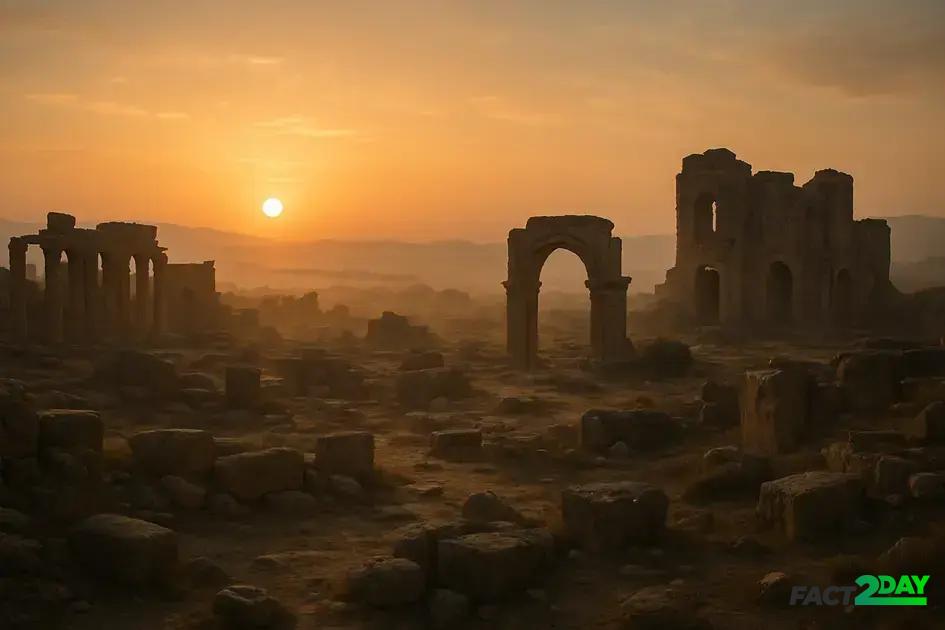
Forgotten empires refer to powerful ancient civilizations that rose through innovation and trade but declined due to environmental changes, political instability, and economic shifts, leaving lasting cultural and societal influences visible in modern law, art, and architecture.
Forgotten empires carry stories often buried beneath time’s dust. Have you ever wondered what shaped these mighty yet vanished civilizations? Let’s embark on a journey to rediscover their echoes and wisdom.
the emergence of ancient forgotten empires
The emergence of ancient forgotten empires often began with the unification of small tribes or city-states, which grew stronger through trade, military conquest, or strategic alliances. These early civilizations developed unique cultures, languages, and governance systems that allowed them to thrive for centuries.
Factors Driving Early Growth
Access to natural resources such as fertile land, water, and minerals played a critical role in their rise. Trade routes connected these empires to far-reaching regions, enabling the exchange of goods and ideas that fueled economic and cultural development.
Innovations and Achievements
Many of these empires are remembered for their advancements in architecture, agriculture, and governance. For example, some built impressive cities with complex road systems, irrigation technologies, and legal codes that laid the groundwork for future societies.
The early stages of these forgotten empires show how human resilience and creativity shaped history in ways that still influence our world today.
factors behind the decline and disappearance
Several critical factors contributed to the decline and disappearance of many once-powerful forgotten empires. One major cause was environmental changes, such as droughts, floods, or soil degradation, which undermined agriculture and food supply. Without stable resources, empires faced internal strife and weakened defenses.
Political Instability and Invasions
Internal conflicts, weak leadership, and power struggles often destabilized governments. At the same time, external invasions by rival groups or emerging powers put further pressure on their survival. These combined forces led to rapid collapse in many cases.
Economic Decline and Social Unrest
Trade route shifts and economic downturns reduced wealth and access to resources. Social unrest would rise as populations grew dissatisfied, sometimes causing rebellions or mass migrations that further eroded the empire’s stability.
The complex interplay of ecological, political, and social issues explains much about why these once-thriving empires faded into obscurity.
lasting influences on modern culture and society
Many forgotten empires have left a deep mark on modern culture and society, even if their names are rarely remembered. Their innovations in law, language, and architecture continue to influence how we live and build today.
Cultural and Artistic Contributions
Art, music, and literature from these empires often inspired later civilizations. For example, motifs and styles found in pottery, sculpture, and textiles are still studied and admired, revealing a rich cultural heritage.
Legacy in Governance and Law
Some ancient empires developed early forms of government and legal codes that laid the foundation for modern systems. Concepts like written laws and organized bureaucracy echo in today’s institutions, showing the lasting impact of these early societies.
Their contributions shape our languages, customs, and even technologies, reminding us that history’s dust still holds powerful legacies.
Reflecting on the heritage of forgotten empires
The story of forgotten empires teaches us about greatness, decline, and lasting legacy. Their rise shows human creativity and resilience, while their fall reminds us of challenges societies can face.
Their cultural and societal contributions continue to influence the modern world, proving that even lost empires leave behind powerful lessons. Exploring their history helps us appreciate our shared past and guides us toward a better future.