Lost Wisdom: The Revolutionary Ancient Scientific Discoveries That Were Forgotten
Discover how Forgotten Ancient Sciences reveal mind-blowing discoveries that shook history and changed our understanding of the world forever.
Ever encountered a strange glitch in a game that felt like it wasn’t supposed to be there? Back in the days of the original Pokémon Red and Blue, there was a glitch that became legendary: MissingNo.
If you fished on Cinnabar Island, this weird cluster of pixels would appear. It looked like static, made creepy sounds, and could even break your game. Your Hall of Fame got corrupted, and the graphics went crazy – pure chaos!
But surprisingly, players loved it. Why? Because catching MissingNo let you duplicate items like Rare Candies or Master Balls. What was a game-breaking bug turned into a secret cheat code and an unofficial feature. Seriously, what other game has a programming error that became a fan-favorite legend? Mind. Blown.
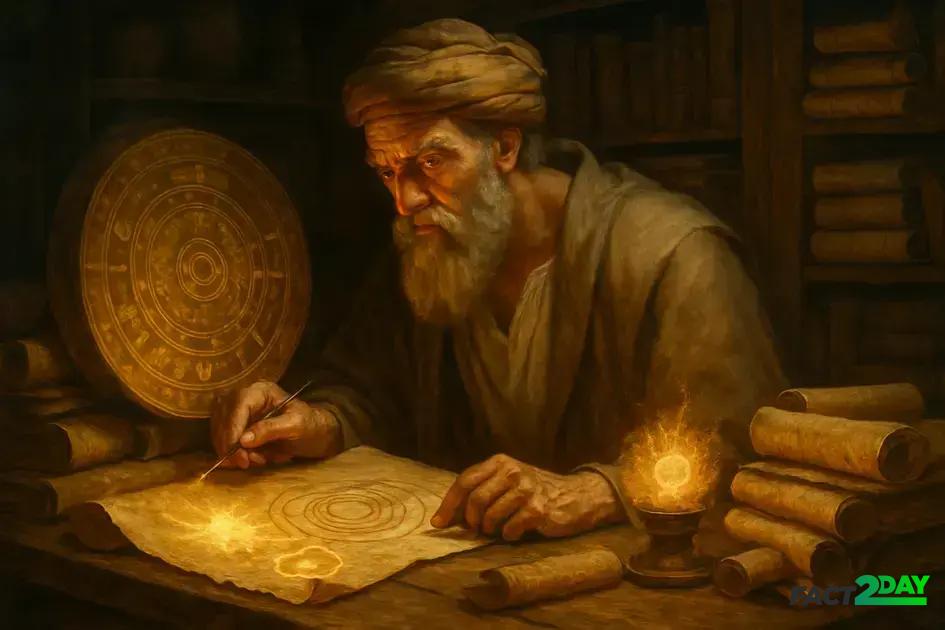
Ever wondered about the Forgotten Ancient Sciences that might have revolutionized our world long ago? These lost discoveries and knowledge pieces hold secrets that could reshape how we see history and progress. Ready to dive into this fascinating mystery?
What are Forgotten Ancient Sciences?
Forgotten Ancient Sciences refer to knowledge systems and discoveries from early civilizations that have been lost, overlooked, or misunderstood over time. These sciences often include advanced topics like astronomy, medicine, engineering, and mathematics that ancient cultures mastered but which modern scholars have only recently begun to rediscover. Many of these sciences were documented on fragile materials or passed down orally, making preservation difficult.
This lost wisdom can reveal how ancient people understood natural phenomena and built impressive structures without modern tools. For instance, ancient Egyptian medicine showcased surprisingly effective remedies, while Mayan astronomy allowed precise celestial tracking. Rediscovering these sciences helps connect us to our past and inspires new perspectives in modern research.
Key Characteristics of Forgotten Ancient Sciences
These sciences often combine empirical observation with spiritual or philosophical insights, reflecting the holistic worldview of their time. Ancient texts and artifacts show strong emphasis on harmony with nature, cyclical time concepts, and practical application of knowledge. Many techniques involve natural elements, herbal medicine, and architectural principles that still fascinate scientists today.
Overall, exploring forgotten ancient sciences is a journey into human ingenuity and adaptability, revealing that many of our ancestors possessed knowledge that was revolutionary and ahead of their time.
The impact of ancient knowledge on modern science
Ancient knowledge has greatly influenced modern science by providing foundational ideas and techniques that continue to shape our understanding of the world. Many scientific principles discovered thousands of years ago laid the groundwork for breakthroughs in physics, medicine, and engineering.
Examples of Ancient Influence
The study of astronomy in ancient civilizations, like the Babylonians and Greeks, introduced early models of the solar system that evolved into today’s complex space science. Likewise, ancient medical texts from Egypt and India included detailed observations and remedies still relevant in modern pharmacology.
Methods Passed Down Through Generations
Ancient methods such as careful observation, experimentation, and documentation formed the basis of the scientific method used today. Techniques in architecture and engineering, including the use of levers and pulleys, were refined by ancient builders and are still in use.
Modern researchers often revisit ancient manuscripts and artifacts to uncover forgotten knowledge and apply it to new technologies. In this way, ancient wisdom serves as a bridge connecting past discoveries to future innovations.
Famous ancient scientific discoveries lost with time
Many famous ancient scientific discoveries were lost over time due to wars, natural disasters, and the decline of civilizations. These lost discoveries often involved advanced knowledge in fields such as astronomy, medicine, and engineering, which were centuries ahead of their time.
Examples of Lost Discoveries
The Antikythera Mechanism, an ancient Greek analog computer, demonstrated sophisticated understanding of celestial movements long before modern astronomy. Similarly, the Library of Alexandria once held countless works on science and philosophy that vanished, taking valuable knowledge with them.
Ancient medical practices from civilizations like Mesopotamia and China included remedies and surgical techniques that disappeared or were forgotten, slowing progress for generations. Some architectural feats, like the precise construction of the pyramids, still puzzle researchers about the techniques used.
Rediscovering these lost discoveries often requires piecing together clues from artifacts, texts, and oral traditions, offering insights into humanity’s scientific heritage and inspiring new research.
Challenges in preserving ancient scientific knowledge
Preserving ancient scientific knowledge faces several challenges that make it difficult for modern generations to access and understand this valuable information. One major obstacle is the fragility of original materials like papyrus, stone tablets, and parchment, which degrade naturally over time.
Language and Interpretation Barriers
Many ancient texts are written in extinct languages or use symbolic scripts, making interpretation complex. Experts often rely on limited translations and specialized knowledge to decode these documents. Errors or gaps in translation can lead to misunderstanding the original meaning.
Loss Due to Historical Events
Wars, natural disasters, and cultural shifts have destroyed libraries and archives, such as the burning of the Library of Alexandria. These events caused irreparable loss of scientific works, breaking the continuity of knowledge.
Moreover, ancient knowledge was often passed orally, which risks distortion or disappearance over generations. Modern efforts use technology and archaeology to recover and preserve what remains, but challenges remain in reconstructing the full scope and context of the discoveries.
Ancient technologies ahead of their time
Many ancient technologies were remarkably advanced, often seeming ahead of their time given the tools and materials available. These technologies demonstrate how early civilizations used creativity and observation to solve complex problems.
Engineering and Construction
Structures like the Egyptian pyramids and Roman aqueducts showcase sophisticated techniques. Builders used precise measurements and innovative methods to move massive stones and create durable infrastructure that still stands today.
Mechanical Devices
The Antikythera Mechanism is a famous example of ancient technology that predicted astronomical events with impressive accuracy. This complex gear system shows a deep understanding of mechanics and celestial cycles.
Other inventions include advanced tools, water clocks, and surgical instruments, illustrating how ancient societies developed practical devices that often surpass expectations for their era.
Methods to rediscover lost ancient sciences
Rediscovering lost ancient sciences requires a combination of modern technology, interdisciplinary research, and keen interpretation of historical artifacts. Scholars and scientists use various methods to piece together the wisdom of past civilizations.
Archaeological Excavations
Digging at ancient sites provides physical evidence such as tools, manuscripts, and structures. These findings often offer clues about scientific practices and technological advances long forgotten.
Decoding Ancient Texts
Translating and interpreting ancient manuscripts is crucial for understanding old knowledge systems. Experts in linguistics and history collaborate to uncover meanings hidden in scripts, symbols, and languages no longer spoken.
Modern technology like multispectral imaging helps reveal faded or damaged writings, allowing access to information once considered lost.
Comparative Studies and Experimentation
Researchers compare ancient knowledge with modern science to test the effectiveness and accuracy of old methods. Experimental archaeology recreates ancient tools and techniques to better understand their applications.
Combining these methods helps bring forgotten sciences back to life, enriching our understanding of history and expanding present-day science.
The role of archaeology in uncovering forgotten wisdom
Archaeology plays a crucial role in uncovering forgotten wisdom by excavating sites and analyzing artifacts that reveal ancient scientific knowledge. Through careful study, archaeologists bring to light technologies, medicines, and cultural practices that were once lost.
Excavation and Discovery
By systematically excavating ancient ruins, archaeologists uncover tools, inscriptions, and structures that provide evidence of early scientific achievements. These findings help piece together how ancient people understood their world.
Analyzing Artifacts
Artifacts like manuscripts, instruments, and building remains can reveal information about ancient methods and ideas. For example, the discovery of ancient medical tools shows knowledge of surgery and healing practices.
Modern techniques such as radiocarbon dating and 3D scanning enhance the analysis, allowing researchers to better interpret the materials without damaging them.
Bridging Past and Present
Archaeology helps connect ancient wisdom with contemporary science. Insights gained from findings can inspire new innovations and improve our understanding of history’s scientific progress.
How ancient wisdom influences today’s innovations
Ancient wisdom often serves as an inspiration for today’s innovations. Many modern technologies and ideas trace their roots back to discoveries and philosophies developed thousands of years ago.
Incorporating Traditional Knowledge
Techniques from ancient agriculture, medicine, and engineering are adapted to create sustainable solutions. For example, ancient crop rotation methods influence modern organic farming to maintain healthy soils.
Design and Architecture
Ancient architectural principles like natural ventilation and solar alignment are integrated into today’s eco-friendly building designs. These methods reduce energy use and improve comfort by learning from the past.
Similarly, the concept of holistic medicine, which sees the body as a whole, inspires modern integrative health approaches that combine traditional remedies with contemporary science.
Innovations Inspired by Ancient Knowledge
Modern researchers study ancient materials and processes to develop new technologies. For example, bioinspired designs and natural pigments used by ancient civilizations help create environmentally friendly products today.
Decoding ancient scripts and their scientific content
Decoding ancient scripts is a critical step toward understanding the scientific content hidden in historical texts. These scripts often use symbols and languages no longer spoken, making the task challenging but rewarding.
Techniques for Decoding
Experts use linguistic analysis, pattern recognition, and comparison with known languages to interpret these scripts. Advanced technologies like multispectral imaging reveal faded writings, while computer algorithms assist in identifying recurring symbols.
Examples of Scientific Knowledge Found
Many ancient scripts contain detailed observations about astronomy, medicine, and mathematics. For example, Mayan codices include precise calendrical calculations, and Egyptian papyri detail medical procedures and herbal remedies.
Understanding these scripts not only sheds light on ancient scientific achievements but also helps preserve cultural heritage.
Collaborative Efforts
Decoding requires collaboration between linguists, historians, archaeologists, and scientists. Together, they piece together fragmented texts to form a clearer picture of past knowledge.
The emotional journey of rediscovering lost sciences
Rediscovering lost sciences is not just an intellectual pursuit; it is also an emotional journey that connects us deeply to our ancestors and their wisdom. This process often evokes feelings of wonder, curiosity, and sometimes frustration as pieces of knowledge are uncovered or remain elusive.
The Thrill of Discovery
Finding evidence of ancient innovations sparks excitement and admiration for the creativity and intelligence of past civilizations. It reminds us that knowledge is timeless and that humans have always sought to understand their world.
Challenges and Frustrations
Many times, rediscovery is hindered by incomplete artifacts or undeciphered texts. This can lead to feelings of impatience or disappointment, yet it also fuels motivation to keep searching and learning.
Collaborative efforts across disciplines provide hope and progress, turning this emotional rollercoaster into a shared human endeavor.
Connection Across Time
Rediscovering lost sciences creates a bond between generations, bridging the past and present. It instills respect for cultural heritage and inspires future innovations rooted in age-old wisdom.
Practical ways to engage with ancient scientific knowledge
Engaging with ancient scientific knowledge can be both rewarding and insightful. There are practical ways to explore and apply this wisdom in everyday life and modern studies.
Studying Ancient Texts and Artifacts
Visiting museums, libraries, and online archives allows access to ancient manuscripts and artifacts. Learning about the context and techniques helps deepen understanding of ancient sciences.
Hands-On Experimentation
Recreating ancient tools, recipes, or methods through experimental archaeology provides tangible experience of how early scientists worked and thought.
Integrating Ancient Principles into Modern Practices
Many ancient techniques, like herbal medicine or sustainable agriculture, can be adapted for modern use. Exploring these applications fosters appreciation and practical benefits.
Courses, workshops, and documentaries dedicated to ancient knowledge offer guided approaches to learning and engagement, making ancient sciences accessible to everyone.
Key reflections on the importance of preserving ancient wisdom
Preserving ancient wisdom is vital for understanding our past and shaping a sustainable future. This knowledge holds lessons that remain relevant, offering insights into nature, science, and human culture.
The Value of Ancient Knowledge
Ancient wisdom often emphasizes balance with the environment and holistic approaches to health and society. Maintaining this knowledge helps inform modern solutions to challenges like climate change and resource management.
Cultural Heritage and Identity
Protecting ancient wisdom preserves cultural identity and respects the achievements of early civilizations. It fosters pride and continuity among communities connected to this heritage.
Inspiration for Innovation
Rediscovered ancient knowledge can inspire new technologies and ideas, bridging the old and new. It reminds us that innovation builds on the foundation laid by our ancestors.
Overall, safeguarding this wisdom is not just about remembering the past but about enriching our present and future.
Long-term benefits of reconnecting with ancient scientific discoveries
Reconnecting with ancient scientific discoveries offers numerous long-term benefits that extend beyond academic interest. These insights contribute to sustainable development, cultural enrichment, and technological progress.
Sustainable Solutions
Ancient knowledge often includes environmentally friendly practices, such as water conservation and natural agriculture, which can help address today’s ecological challenges. Embracing these methods promotes harmony between human activity and nature.
Cultural Continuity and Education
Engaging with ancient sciences strengthens cultural identity and preserves valuable traditions. It also enriches education by providing diverse perspectives and encouraging critical thinking based on historical successes and failures.
Innovation and Inspiration
Rediscovered technologies and ideas can inspire new inventions and improve existing ones. Ancient engineering and medical practices, for example, continue to influence modern designs and treatments.
Long-term, reconnecting with this wisdom nurtures a deeper respect for human ingenuity and encourages future generations to build on a foundation of tested knowledge.
Embracing the Legacy of Forgotten Ancient Sciences
Exploring the forgotten ancient sciences opens a door to revolutionary ideas and knowledge that shaped human history. By rediscovering and preserving these ancient discoveries, we not only honor the past but also gain valuable insights for the future.
These ancient sciences remind us that innovation is timeless and that learning from our ancestors can inspire new solutions for today’s challenges. Embracing this wisdom encourages curiosity, respect for cultural heritage, and a deeper appreciation of human creativity.
Ultimately, reconnecting with ancient scientific discoveries helps us build a more informed and sustainable future, guided by the lessons and achievements of those who came before us.