Fire’s Embrace: The Surprising Role of Forest Fires in Ecological Renewal
Explore how Forest Fire Ecology reveals nature's surprising way of renewal and balance through fire's role in ecosystems.
Frisson is the sensation of goosebumps triggered by music when the brain activates both reward and fear systems, creating a thrilling yet safe experience that highlights moments of emotional significance.
Have you ever noticed the complex dance between destruction and renewal in forests? Forest Fire Ecology delves into this fascinating balance, showing how fire isn’t just devastation but a catalyst for new life. Let’s explore this unexpected relationship.
Understanding forest fire ecology basics
Forest fire ecology is the study of how fire interacts with forest ecosystems. It helps us understand why fires occur naturally, their frequency, intensity, and how they affect plants, animals, and soils. Fires can vary greatly, from small surface fires to large crown fires that spread rapidly. Understanding these differences is key to managing forests effectively.
The natural role of fire
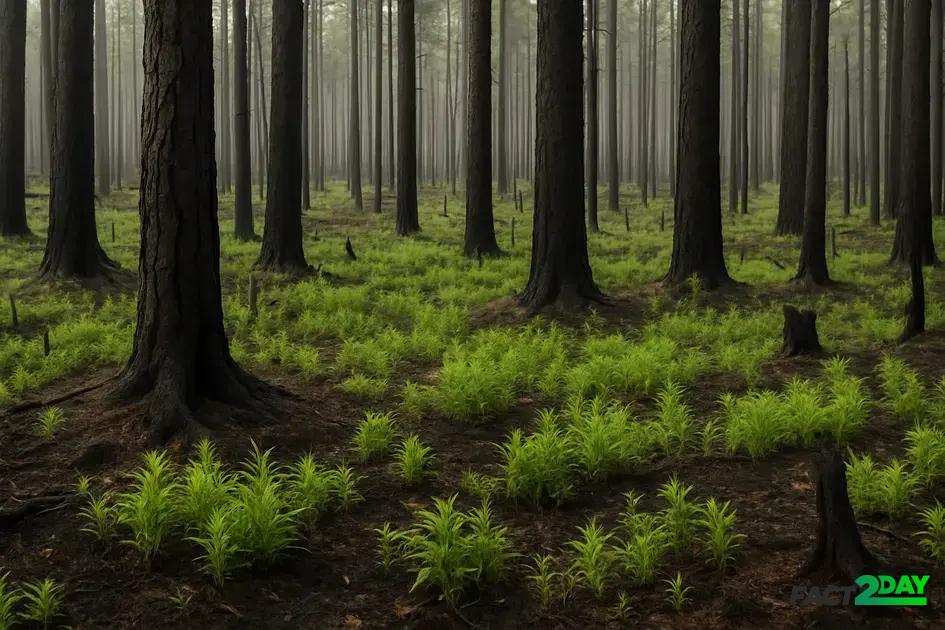
In many forests, fire is a natural process that helps maintain ecosystem health. It clears dead material, returns nutrients to the soil, and creates space for new growth. Some plants even depend on fire to reproduce, with seeds that only open after exposure to heat or smoke.
Fire regimes and patterns
Fire ecology studies fire regimes, which describe the typical pattern of fires in a region, including how often fires occur, their size, and their severity. Different ecosystems have distinct fire regimes that shape their development over time.
Why understanding fire ecology matters
By understanding forest fire ecology, we can better predict how fires will behave and how to protect both natural areas and human communities. It informs forest management, helping to balance the benefits of fire with the risks it can pose.
The role of fire in natural ecosystems
Fire plays a crucial role in natural ecosystems by shaping the structure and function of many environments. It helps recycle nutrients by burning dead plants, returning essential elements like nitrogen and phosphorus back to the soil. This process supports new plant growth and maintains a healthy nutrient cycle.
Fire and biodiversity
Many species have adapted to fire-prone habitats. Some plants depend on fire for seed release or to reduce competition by clearing dense vegetation. Fire can also create diverse habitats by opening up the forest canopy, allowing sunlight to reach the ground and encouraging a variety of plants and animals to thrive.
Fire as a natural disturbance
Fires act as natural disturbances that reset ecosystems, preventing any single species from dominating. This promotes ecological balance and resilience, allowing ecosystems to recover and evolve over time. Without regular fires, some forests may become overgrown, increasing the risk of more severe fires in the future.
Interactions with wildlife
Wildlife often benefits from the changes fire brings. Some animals depend on newly opened areas for foraging, breeding, or shelter. Others rely on the availability of fire-adapted plants. Even species that avoid fire-affected areas tend to move and adapt in response to the dynamic environment created by fire.
How fire influences biodiversity
Fire plays a vital role in shaping biodiversity by creating a variety of habitats and influencing which species thrive. Some plants and animals have adapted to survive or even depend on periodic fires. For example, certain pine trees have cones that only open to release seeds after exposure to heat.
Impact on plant species
Fires can clear thick layers of dead vegetation, allowing sunlight to reach the forest floor and encouraging the growth of new plants. This process creates opportunities for different species to grow and maintain a healthy, diverse ecosystem.
Effects on animal populations
Different species respond differently to fire. Some animals benefit from the open spaces created by fire, finding new areas to hunt or nest. Others may temporarily relocate to avoid fire but return as the habitat recovers. This dynamic encourages a mix of species in the ecosystem.
Fire and invasive species
While fire promotes native biodiversity, it can also influence the spread of invasive species, which sometimes thrive after disturbances. Effective forest management aims to balance fire’s natural benefits while controlling invasive threats.
Understanding these interactions helps forest managers plan controlled burns and fire responses that support biodiversity and ecosystem health over time.
Common challenges in forest fire management
Managing forest fires presents several challenges that make it a complex task. One of the biggest issues is predicting fire behavior, as wind, temperature, and vegetation type can change quickly. These variables make it difficult to control and contain fires effectively.
Resource limitations
Firefighting often requires extensive resources including personnel, equipment, and funding. Remote forest locations can be hard to reach, delaying response times and increasing fire damage. Limited resources force managers to prioritize which fires to address immediately.
Balancing ecological benefits and risks
While fire is a natural part of many ecosystems, uncontrolled blazes can threaten wildlife, human lives, and property. Managers face the challenge of allowing beneficial fires to occur or using controlled burns without endangering communities.
Climate change impacts
Climate change has increased the frequency and intensity of forest fires worldwide. Hotter, drier conditions cause fires to spread faster and burn longer, complicating management efforts and raising risks to ecosystems and people.
Human factors
Many forest fires are caused by human activities, including campfires, discarded cigarettes, or equipment use. Education and enforcement of fire safety laws are crucial but not always effective, adding to the difficulty of preventing fires.
Techniques for studying fire ecology
Studying fire ecology involves various techniques that help scientists understand how fire affects ecosystems. One common method is field observation, where researchers monitor areas before and after fires to track changes in plants, animals, and soil.
Remote sensing and satellite imagery
Using satellites, scientists can map fire size, intensity, and spread over time. This technology offers a broad view of fire patterns across large landscapes, helping track trends and assess damage.
Controlled burns and experiments
Researchers often use controlled or prescribed burns to study fire effects in a safe way. These allow them to observe how different fire intensities and frequencies influence ecosystems without risking uncontrolled wildfires.
Data collection and monitoring
Scientists collect data on temperature, humidity, and soil moisture to understand fire behavior. They also track plant regeneration and wildlife movement to measure recovery after fires.
Modeling and simulations
Computer models simulate fire spread and impacts based on environmental factors. These models help predict future fires and improve management strategies.
Each technique provides unique insights into fire ecology, enabling better forest management and conservation efforts.
Fire’s impact on soil and nutrient cycles
Fire has a significant impact on soil and nutrient cycles, altering the availability of key nutrients crucial for plant growth. When a fire burns vegetation and organic matter on the forest floor, nutrients like nitrogen, phosphorus, and potassium are released into the soil.
Changes in soil composition
The heat from fires can change soil structure, sometimes making it more porous and improving water infiltration. However, intense fires may also cause soil to lose organic matter and reduce its ability to retain nutrients.
Nutrient release and loss
Fires volatilize some nutrients, causing them to escape into the atmosphere, particularly nitrogen. At the same time, ash deposited on the soil surface can be rich in minerals, temporarily increasing soil fertility.
Effect on microbial communities
Soil microbes play a vital role in nutrient cycling, and fire can disrupt these communities. Some microbes are resilient and recolonize quickly, while others may decline, affecting soil health and nutrient availability for plants.
Long-term nutrient cycling
Over time, fire can stimulate new plant growth, which gradually restores organic matter and maintains nutrient cycles. Controlled burns are sometimes used to manage soil health and support ecosystem renewal.
Managing emotions and fears about forest fires
Many people feel strong emotions like fear and anxiety when thinking about forest fires. These feelings are natural, especially for those living near fire-prone areas. Understanding and managing these emotions is important for mental health and community safety.
Recognizing emotional responses
Fear can help us stay alert and prepared, but excessive worry may cause stress and hinder clear thinking. Identifying these feelings and talking about them openly can ease anxiety.
Practical coping strategies
Preparation is one of the best ways to reduce fear. Knowing evacuation plans, having emergency kits ready, and staying informed can create a sense of control. Practicing relaxation techniques like deep breathing or mindfulness can also calm nerves.
Community support
Connecting with neighbors and support groups helps people share experiences and resources. This sense of community can lessen isolation and build resilience during fire seasons.
Professional help
Sometimes, talking to counselors or mental health professionals is necessary. They can provide guidance on managing trauma or ongoing stress related to fire threats.
Overall, understanding and managing emotions about forest fires empowers individuals and communities to face challenges with greater confidence and calm.
Practical strategies for fire prevention
Preventing forest fires requires practical strategies that reduce fire risk and protect ecosystems and communities. One key approach is clearing dry leaves, dead branches, and other flammable materials that act as fuel for fires.
Creating firebreaks
Firebreaks are gaps in vegetation that stop or slow the spread of fires. These can be natural, like rivers, or man-made by clearing strips of land.
Controlled burns
Also called prescribed fires, controlled burns reduce excess vegetation safely. This lowers the chance of dangerous wildfires and helps maintain healthy ecosystems.
Community education
Educating people about fire risks and safe practices, like properly extinguishing campfires and avoiding fireworks, is essential to prevent accidental fires.
Fire-resistant landscaping
Using fire-resistant plants and creating defensible spaces around homes can reduce damage during wildfires. Regularly maintaining these spaces is important.
Monitoring weather conditions and staying alert during dry seasons also help communities prepare for potential fire threats. Combining these strategies supports effective fire prevention and safer forests.
Reflections on human interaction with fire
Humans have interacted with fire for thousands of years, shaping both culture and ecosystems. Fire has been used for warmth, cooking, and land management, but its power also requires respect and careful handling.
The cultural significance of fire
Many indigenous communities have long traditions of using fire to manage landscapes, encourage new growth, and support hunting. These practices show a deep understanding of fire’s role in nature.
Fire as a tool and a risk
Humans use fire to clear land for agriculture and to reduce fuel buildup that can cause large wildfires. However, uncontrolled or accidental fires can lead to devastating damage to people and ecosystems.
Changing relationship with fire
Modern fire management tries to balance fire’s benefits with safety concerns. Suppressing all fires can lead to dangerous fuel accumulation, increasing the risk of severe wildfires in the future.
Learning from the past
Understanding traditional fire use and ecological fire science helps us develop better strategies that protect nature and communities. Fire is not just a threat—it is also an important natural process that humans must learn to live with wisely.
Key factors in forest regeneration
Forest regeneration depends on several key factors that influence how quickly and effectively a forest recovers after a fire. One crucial element is the availability of seeds from surviving plants or nearby areas, which allows new trees and vegetation to grow.
Soil condition and nutrients
Healthy soil rich in nutrients supports faster plant growth. Fire can both enrich soil with minerals and, in some cases, reduce organic matter, so the balance of nutrients affects regeneration.
Climate and weather patterns
Temperature, rainfall, and sunlight are essential for seed germination and growth. Favorable weather conditions speed up forest recovery, while drought or extreme cold can slow it down.
Fire severity and frequency
High-intensity fires may destroy seed banks and root systems, making recovery harder. Meanwhile, regular low-intensity fires can promote regeneration by clearing old growth and encouraging new seedlings.
Human intervention
Reforestation efforts, controlled burns, and managing invasive species all influence regeneration success. Active management can help restore forests more quickly and maintain ecosystem health.
Understanding these factors allows for better planning and strategies to support forest recovery and resilience after fires.
Long-term ecological benefits of fire
Fire brings many long-term ecological benefits that help ecosystems stay healthy and balanced. Regular fires reduce the buildup of dead plants and trees, which lowers the risk of massive, uncontrollable wildfires.
Promoting biodiversity
By clearing dense vegetation, fire creates space for a variety of plant species to grow. This diversity supports many animal species, which rely on different plants for food and shelter.
Enhancing nutrient cycling
Fires release nutrients locked in dead material back into the soil, enriching it. This helps new plants grow stronger and supports the entire food web.
Maintaining ecosystem balance
Fire acts as a natural reset for ecosystems, preventing any one species from dominating. This balance encourages resilience, allowing forests to adapt to environmental changes.
Stimulating new growth
Many plants have adapted to fire, with seeds that only germinate after fire exposure. This ensures fresh growth and renewal of forests over time.
In summary, fire is a vital force that supports long-term ecological health by sustaining diversity, nutrient flow, and ecosystem stability.
Transforming landscapes through natural fire cycles
Natural fire cycles play a vital role in transforming landscapes by shaping their structure and health over time. Fires clear old vegetation and make way for new growth, which can lead to more varied and resilient ecosystems.
Creating mosaic habitats
Repeated fires create patches of different-aged vegetation. This diversity provides varied habitats that support a wide range of wildlife species with different needs.
Encouraging diverse plant communities
Fire helps certain fire-adapted plants thrive while controlling species that might otherwise dominate. This promotes a rich mix of plant life across the landscape.
Influencing soil and hydrology
Fire affects soil properties, like moisture retention and nutrient availability, influencing how water moves through an area. These changes can impact plant growth and landscape stability.
Driving succession and renewal
Fire resets succession stages by removing mature vegetation and allowing pioneer species to establish. Over time, this leads to a dynamic, ever-changing landscape that adapts to environmental conditions.
Natural fire cycles are essential agents of change, fostering healthy, diverse landscapes that can better withstand the effects of climate and human activity.
Embracing the Role of Fire in Nature
Understanding the natural role of fire helps us appreciate how it supports healthy forests and diverse ecosystems. Fire may seem destructive, but it also clears the way for new growth, maintains balance, and enriches the land.
By respecting and managing fire wisely, we can protect communities while allowing fire to continue its important cycle in nature. This balance leads to stronger landscapes and a healthier planet for future generations.
Learning about fire ecology encourages us to see fire not just as a threat, but as a powerful force of renewal and life.