Deadly Delights: The World’s Most Delicious (and Potentially Lethal) Foods
Foods That Kill reveals the hidden dangers behind some of the world's tastiest yet most hazardous foods. Discover what to watch out for!
Exoplanets are planets orbiting stars beyond our solar system, discovered through methods like observing starlight dimming, revealing thousands of diverse worlds that expand our understanding of the universe’s vastness and the potential for life beyond Earth.
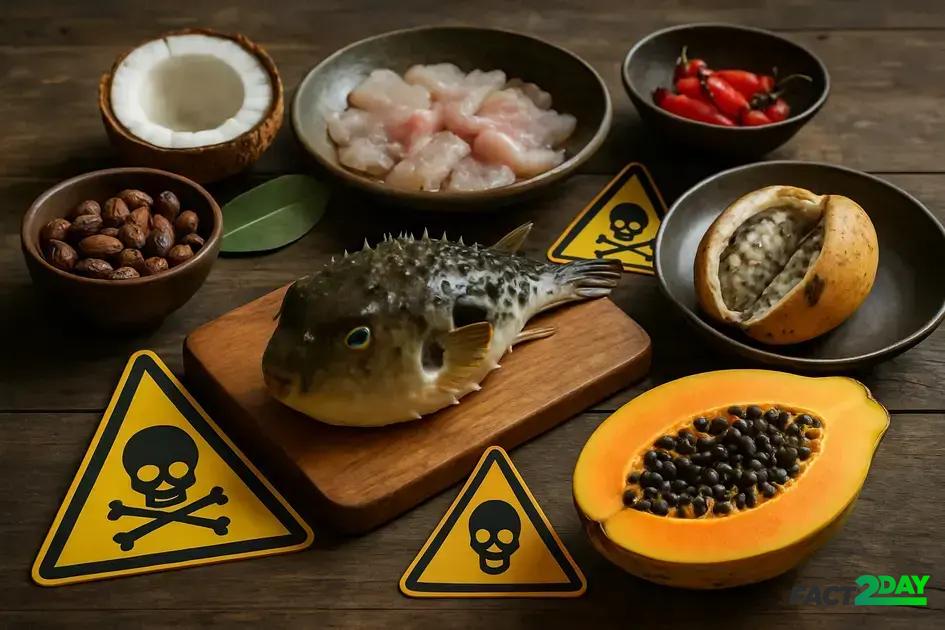
Foods That Kill might sound like a scary chapter of a horror story, but it’s reality for some delicacies enjoyed around the world. Ever wondered which mouth-watering foods hide deadly secrets behind their flavors? Let’s explore these delicious yet dangerous delights together.
Understanding toxic foods: what makes delicious meals dangerous
Many foods appear delicious but contain natural toxins that can be harmful if consumed improperly. Understanding toxic foods means recognizing the chemicals and compounds that make some favorite meals dangerous. For instance, certain plants produce alkaloids or cyanogenic compounds as defense mechanisms against pests, which can be toxic to humans.
Additionally, some seafood contains toxins like ciguatoxin or tetrodotoxin, which are not destroyed by cooking. This explains why preparation methods play a vital role in safety. Cooking, fermenting, or soaking can reduce toxicity, but improper handling can lead to poisoning.
Food toxicity often depends on dosage and individual sensitivity. Small amounts may cause mild symptoms, while larger quantities can be life-threatening. Moreover, allergic reactions and pre-existing health conditions increase the risks.
Learning about these natural toxins and how some delicious foods carry hidden dangers helps consumers make safer choices. It also emphasizes the importance of respecting cultural knowledge and food preparation techniques that minimize risks.
Top deadly foods enjoyed worldwide
Many cultures around the world enjoy unique and flavorful dishes that can be deadly if not prepared correctly. Among these top deadly foods are the Japanese fugu, a pufferfish containing tetrodotoxin, which can cause paralysis or death if ingested improperly. Only licensed chefs are allowed to prepare it due to its high risk.
Another example is the African cassava root, which contains cyanogenic glycosides. When not properly processed, it can release cyanide, posing severe poisoning risks. Traditional methods like soaking, drying, and cooking are crucial to making cassava safe to eat.
In Southeast Asia, the durian fruit is well-loved for its strong aroma and taste, but its spikes can cause physical injuries, and overconsumption might lead to digestive issues. Additionally, ackee fruit from the Caribbean contains hypoglycin A, a toxin that causes vomiting and even fatal hypoglycemia when unripe.
Cheese varieties made from raw milk, certain wild mushrooms, and improperly prepared wild game can also harbor dangerous toxins or bacteria. Awareness and respect for traditional knowledge in preparing these foods is essential to prevent fatal outcomes.
How natural toxins in foods affect the human body
Natural toxins in foods are chemicals produced by plants, animals, or microorganisms that can harm the human body when consumed in unsafe amounts. These toxins affect the body in various ways, often targeting the nervous system, digestive tract, or internal organs.
For example, tetrodotoxin, found in pufferfish, blocks nerve signals and can cause paralysis or even death. Cyanogenic compounds in cassava release cyanide, which interferes with oxygen use in cells, leading to severe poisoning.
Some toxins irritate the stomach and intestines, causing symptoms like nausea, vomiting, and diarrhea. Others may accumulate over time, causing long-term damage or weakening the immune system. The severity depends on the toxin’s dose, the person’s health, age, and how the food was prepared.
Our bodies have defense mechanisms such as enzymes to detoxify small amounts of harmful substances. Still, large doses or chronic exposure can overwhelm these systems. Recognizing symptoms quickly and seeking medical help is crucial when poisoning is suspected.
Understanding how these natural toxins affect us helps in taking precautions, such as proper food handling and preparation, to enjoy these foods safely.
The role of preparation in food toxicity
Preparation plays a crucial role in reducing or eliminating food toxicity. Many toxic compounds found naturally in foods can be neutralized or removed through proper cooking, soaking, fermenting, or drying. Without these processes, even common ingredients can become dangerous.
Cooking techniques such as boiling and frying can break down harmful substances. For example, boiling cassava for a long time removes cyanide compounds, making it safe to eat. Similarly, cooking fugu pufferfish requires extreme precision to separate toxic organs from edible flesh.
Soaking and fermenting are other traditional methods that lower toxin levels. Fermentation changes chemical compositions, reducing poisonous elements found in foods like certain beans or tubers. Drying food also helps by concentrating flavors while decreasing harmful bacteria or molds.
Moreover, many cultures have developed specific preparation rituals passed down through generations to handle dangerous foods safely. These include peeling, slicing, and discarding contaminated parts, which minimizes exposure to toxins.
Ignoring proper food preparation can lead to severe poisoning. Therefore, understanding and respecting these methods is key to enjoying potentially toxic foods safely.
Fugu and other exotic dishes: risks and regulations
The Japanese delicacy fugu, or pufferfish, is infamous for its deadly toxin, tetrodotoxin. This poison is found mainly in the fish’s liver, ovaries, and skin. Ingesting even a small amount can cause numbness, paralysis, and potentially death. Due to these risks, strict regulations govern the preparation and sale of fugu in Japan.
Only licensed chefs with years of rigorous training are allowed to prepare fugu. They learn to carefully remove toxic parts while preserving the edible flesh. Despite these precautions, accidents still happen occasionally, making fugu one of the most dangerous foods worldwide.
Apart from fugu, many exotic dishes carry hidden risks. Some African caterpillars require special cooking to eliminate toxins, while certain South American frogs are toxic if eaten raw. Countries with such foods often enforce food safety rules to protect consumers while preserving culinary traditions.
Food safety authorities regulate these practices by licensing vendors, monitoring toxin levels, and educating the public. This balance allows people to enjoy exotic flavors while minimizing fatal outcomes.
Understanding the regulations and risks behind dishes like fugu helps diners make informed choices, appreciating global cuisines with caution.
Plants that can kill: edible but lethal
Some plants that are edible in small amounts or after careful preparation contain toxins that can be deadly if consumed incorrectly. For example, the castor bean plant produces ricin, one of the most poisonous natural substances known. Though castor oil derived from it is safe, the seeds themselves are extremely dangerous.
The deadly nightshade, also called belladonna, contains atropine and scopolamine, which affect the nervous system and can cause hallucinations, paralysis, or death. While used in small doses for medical purposes, eating its berries or leaves is risky.
Rhubarb leaves also contain oxalic acid, which can lead to kidney damage and calcium deficiency if ingested in large amounts. The stalks are edible, but the leaves should always be avoided.
Other plants such as poison hemlock and water hemlock contain neurotoxins that disrupt nerve signals, often resulting in respiratory failure. These plants closely resemble edible species, making knowledge and caution vital when foraging.
Understanding which parts of these plants are toxic and how to handle them properly can prevent accidents. Many cultures have passed down this knowledge through generations, emphasizing safety alongside culinary traditions.
Seafood dangers: identifying poisonous varieties
Seafood provides many nutritional benefits but also carries risks due to certain poisonous varieties. Some fish and shellfish contain natural toxins that can cause severe illness or death if consumed. Identifying these dangerous species is crucial.
Ciguatera poisoning is caused by eating fish contaminated with ciguatoxins, commonly found in reef fish like barracuda and grouper. Symptoms include nausea, vomiting, and neurological issues like numbness or temperature sensation reversal.
Another threat is tetrodotoxin found in pufferfish, which is deadly without expert preparation. Consuming improperly prepared pufferfish can lead to paralysis and respiratory failure.
Shellfish like mussels, clams, and oysters may accumulate harmful toxins during algal blooms, causing paralytic or amnesic shellfish poisoning. These toxins are not destroyed by cooking, making harvesting in safe areas critical.
Avoiding poisonous seafood involves buying from reputable sources, knowing local warnings, and proper preparation. Awareness of high-risk species and their symptoms helps protect health while enjoying seafood.
Symptoms of food poisoning from deadly foods
Symptoms of food poisoning from deadly foods vary depending on the toxin involved but often affect the digestive and nervous systems. Common early signs include nausea, vomiting, diarrhea, and abdominal pain. These symptoms appear within hours after consumption.
Some toxins, like tetrodotoxin from pufferfish, cause neurological symptoms such as numbness, tingling, dizziness, and muscle weakness. This can progress to paralysis and difficulty breathing, which are life-threatening emergencies.
Other symptoms may include headache, fever, confusion, and in severe cases, seizures or coma. Paralytic shellfish poisoning and ciguatera toxin poisoning might cause unusual sensations like temperature reversal, where hot feels cold and vice versa.
The severity and onset time of symptoms depend on the amount of toxin ingested and individual health. Some poisonings develop quickly, while others may have delayed effects lasting days.
Prompt recognition of these symptoms and immediate medical attention are crucial to prevent complications or death from foodborne toxins.
Historical cases of fatal food poisoning
Throughout history, fatal food poisoning cases have shocked populations and led to important advances in food safety. One famous example is the 1858 London “Beer Poisoning” incident, where beer contaminated with arsenic caused over 600 deaths. The contamination came from a faulty sugar purification process.
Another notable case is the outbreak of botulism in the early 20th century, caused by improperly canned foods. The toxin produced by Clostridium botulinum is extremely lethal, and several mass poisonings led to stricter food preservation regulations.
In more recent history, the 1991 outbreak of toxic oil syndrome in Spain sickened thousands and killed over 300 people. It resulted from industrial rapeseed oil mistakenly sold for cooking, highlighting risks of improper industrial food use.
These tragic events prompted governments worldwide to enforce stricter food safety laws and improve public awareness. They also underscore the importance of proper food handling, preparation, and regulation to prevent deadly outcomes.
Studying these historical cases helps us understand and improve modern food safety standards to protect public health.
Avoiding hidden toxins in everyday foods
Many everyday foods contain hidden toxins that can cause health problems if consumed in large amounts or prepared incorrectly. These toxins are often naturally occurring and are harmless in small quantities but become dangerous when accumulated.
Potatoes, for example, contain solanine, a natural poison that develops in green or sprouted areas. Eating green potatoes can cause nausea, headaches, and neurological issues. Proper peeling and avoiding sprouted potatoes help reduce this risk.
Beans like kidney beans have phytohaemagglutinin, a toxin that can cause severe stomach pain and vomiting if the beans are eaten raw or undercooked. Boiling beans for at least 10 minutes destroys the toxin.
Additionally, foods like apples, cherries, and almonds contain cyanide compounds in their seeds, which are dangerous if ingested in large quantities. These seeds should generally be avoided or consumed in minimal amounts.
Cooking, peeling, and proper storage are effective ways to limit exposure to these hidden toxins. Being aware of these risks helps keep your diet safe without sacrificing variety or nutrition.
The science behind food toxicity and human survival
Food toxicity arises when harmful substances in food interfere with the body’s normal functions. These substances, called toxins, may be natural or produced by bacteria, fungi, or chemicals. Understanding the science behind food toxicity helps us grasp how the body reacts and survives exposure.
The human body has several defense mechanisms against food toxins. The digestive system often breaks down or neutralizes many harmful compounds before they enter the bloodstream. The liver plays a key role in detoxifying chemicals, while the immune system fights off pathogens causing foodborne illnesses.
However, some toxins, like botulinum toxin or tetrodotoxin, are potent even in very small amounts. They target specific cells or organs, disrupting nerve signals or cellular processes, which can lead to paralysis or organ failure.
Survival after toxin ingestion depends on several factors: the toxin type and dose, the speed of medical intervention, and the overall health of the person. Rapid diagnosis and treatment can prevent severe damage and improve outcomes.
Scientific advancements help detect toxins early, develop antidotes, and improve food safety measures, enhancing human resilience against these hidden dangers.
Cultural traditions involving risky foods
Many cultures around the world include risky foods in their traditional diets, often relying on generations of knowledge to prepare them safely. These foods, though potentially lethal if mishandled, hold strong cultural significance and are considered delicacies.
In Japan, fugu (pufferfish) is a prized dish despite its deadly tetrodotoxin. Only trained and licensed chefs can prepare it, following strict rituals passed down through apprenticeships. Its consumption is often tied to special celebrations.
In parts of Africa, insects like mopane worms are eaten despite containing possible toxins if not properly cooked. Traditional drying and roasting methods reduce these risks while providing high nutritional value.
Fermented cassava is a staple in many South American and African cultures. This root contains cyanogenic compounds that are dangerous raw. Communities use soaking, fermenting, and cooking techniques developed over centuries to detoxify cassava safely.
Other examples include the eating of ackee fruit in the Caribbean, which can be toxic if picked unripe, and cheese made from raw milk in Europe, which requires precise fermentation to avoid harmful bacteria.
These cultural practices reflect a deep understanding of nature’s hazards, balancing risk and reward through tradition and care.
Modern safety measures to prevent food-related deaths
Modern safety measures have greatly reduced the risks of food-related deaths by improving standards at every stage of food production and consumption. These measures include strict government regulations, advanced testing methods, and public education programs.
Food safety laws require producers and vendors to follow hygiene protocols, proper storage temperatures, and traceability to quickly identify contamination sources. Regulatory agencies regularly inspect facilities to ensure compliance.
Technological advances allow for rapid detection of toxins and pathogens in foods using tools like mass spectrometry and DNA testing. This helps prevent unsafe products from reaching consumers.
Public awareness campaigns teach safe handling, cooking, and storage practices to minimize poisoning risks. Simple steps like thorough cooking and avoiding cross-contamination are emphasized.
Additionally, licensing systems for dangerous foods, such as Japan’s control over fugu preparation, ensure only trained experts handle high-risk items.
Together, these modern safety practices help protect public health, making deadly food poisonings far less common than in the past.
When craving meets caution: how to enjoy tricky foods safely
When craving meets caution, enjoying tricky foods safely requires knowledge, preparation, and respect for traditional practices. Many exotic or potentially toxic foods can be part of a healthy diet if handled correctly.
Knowing the risks is the first step. Understand which parts of the food are toxic, how much is safe to consume, and what symptoms to watch for. For example, only certain parts of the pufferfish are edible, and unripe ackee fruit should never be eaten.
Proper preparation is essential. Follow proven methods like soaking, fermenting, cooking, or peeling to reduce toxins. When dining out, choose reputable establishments with skilled chefs trained in preparing these foods safely.
Listen to your body and avoid overindulgence, as even safe portions can cause problems if eaten excessively. Keep emergency contacts handy in case unexpected reactions occur.
Combining traditional wisdom with modern science helps strike a balance between enjoying unique flavors and staying safe. With care and awareness, you can satisfy your cravings without compromising your health.
Safe enjoyment of dangerous delicacies
Many delicious foods carry hidden risks, but understanding these dangers helps us enjoy them safely. Knowing proper preparation techniques and respecting cultural traditions reduces the chance of poisoning.
Always stay informed and cautious when trying exotic or potentially toxic foods. With the right knowledge, you can savor unique flavors without compromising your health.
By combining tradition, science, and safety measures, we can appreciate the world’s most deadly delights while protecting ourselves and our loved ones.