The Revolutionary Bites: Foods That Unexpectedly Transformed Human History
Explore how foods that changed history reshaped cultures and civilizations in surprising ways. Journey with us through these transformative bites.
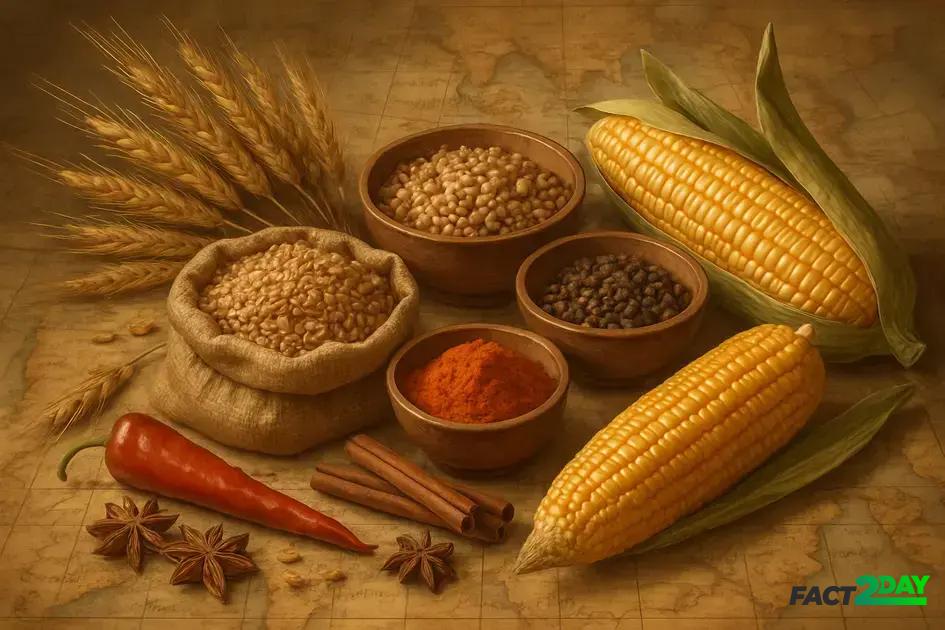
Foods that changed history include staple crops, spices, and culinary discoveries that transformed civilizations, shaped trade routes, and influenced cultural identities worldwide.
Foods that changed history often tell stories beyond taste, shaping societies and economies in profound ways. Have you ever wondered how a single plant or ingredient shifted the course of human events?
How staple crops shaped early civilizations
Staple crops like wheat, rice, and maize were fundamental in shaping early civilizations by providing a stable food supply that allowed societies to thrive. These crops enabled the shift from nomadic lifestyles to settled farming, leading to the rise of complex communities and advancements in culture and technology.
The role of staple crops in settlement and growth
When early humans began cultivating wheat and barley in the Fertile Crescent, it triggered a population boom and permanent settlements. This agricultural revolution laid the foundation for the growth of cities, trade, and governance.
Impact on society and economy
Staple crops not only fed large populations but also became valuable trade goods. For example, rice cultivation in Asia supported dense populations and led to intricate irrigation systems, reflecting a high degree of social organization.
Cultural significance and innovation
These crops influenced culture, religion, and cuisine. The domestication of maize in the Americas became central to indigenous societies’ spiritual beliefs and daily life, showing how food shaped identity and tradition.
Unexpected foods that influenced global trade
Unexpected foods like spices, potatoes, and chocolate played a crucial role in shaping global trade routes and economies. Their demand sparked exploration and colonization, linking continents in new economic and cultural exchanges.
Spices: the drivers of early global trade
Spices such as pepper, cinnamon, and cloves were highly prized in Europe and Asia, leading to the establishment of vast trading networks. These goods were rare and valuable, motivating sea voyages and the creation of powerful trading companies.
The potato and its impact on Europe
The introduction of the potato from the Americas revolutionized European agriculture by providing a reliable and nutritious food source. Its cultivation boosted population growth and economic stability, shifting agricultural practices.
Chocolate’s journey and cultural influence
Originally consumed by ancient Mesoamerican civilizations, chocolate became a luxury export once it reached Europe. This sweet treat created demand and wealth, influencing trade patterns and even social customs.
Cultural revolutions sparked by culinary discoveries
Culinary discoveries have often sparked profound cultural revolutions by introducing new flavors, ingredients, and cooking techniques that transformed societies. These changes influenced social customs, traditions, and identities across the world.
How new foods changed social rituals
The introduction of tea in Britain reshaped social gatherings, creating the iconic tea time tradition that became a symbol of culture and refinement. Similarly, the adoption of coffee in the Middle East sparked rich social and intellectual exchanges in coffeehouses.
Influence on art and literature
Foods like chocolate and spices inspired artistic expression and storytelling, reflecting the cultural significance attached to these ingredients. Culinary excellence became a theme in literature and art, highlighting the social status tied to certain foods.
Shaping identity and tradition
Many indigenous communities developed unique culinary practices that are central to their cultural identity. For example, the maize-based cuisine of Mesoamerica represents more than sustenance — it connects people to their history and land.
The lasting impact of food on history and culture
Foods that changed history have shaped the way societies grow, trade, and express themselves. From staple crops to unexpected ingredients, these foods influenced economies and everyday life.
Understanding these culinary revolutions helps us appreciate the deep connections between food, culture, and human progress. Every meal tells a story of innovation, exchange, and identity.
Recognizing the power of food can inspire us to value diversity and history in our own culinary experiences.