Glow on the Plate: The Most Bizarre Foods That Naturally Glow in the Dark
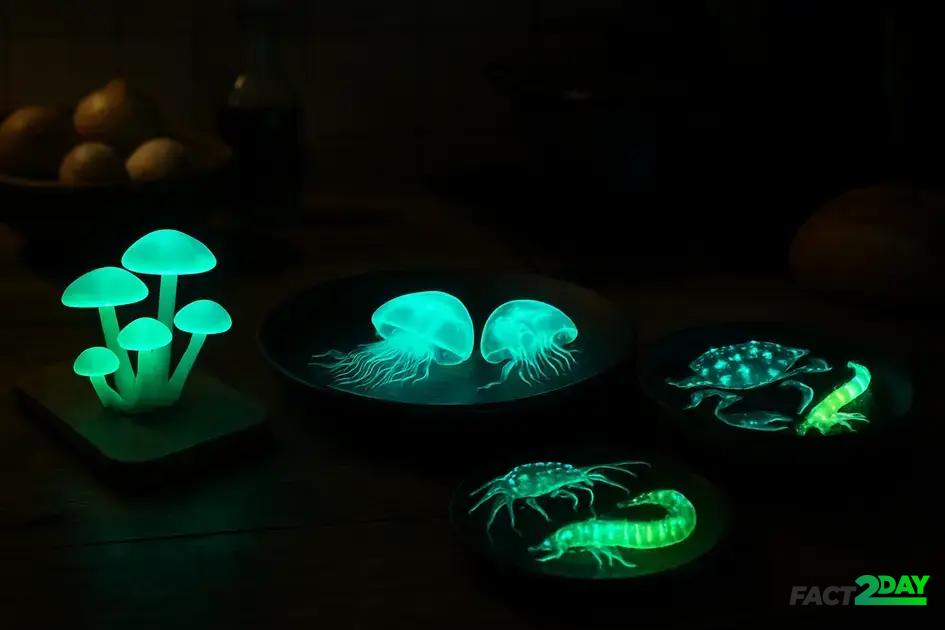
Discover fascinating "Foods Glow in Dark" that naturally light up your plate, unveiling a mysterious world of bioluminescent culinary wonders.
Imagine a courtroom filled with a judge, jury, and lawyers, but the defendant isn’t a person—it’s an animal. This strange reality from medieval Europe might sound like a storybook, yet it was a true and fairly common practice known as animal trials.
Pigs accused of murder and beetles blamed for ruining crops were put on trial. These proceedings were serious, including legal defense, witnesses, and sometimes even appeals. Such trials reveal a lot about how people in that era viewed justice, guilt, and their connection to nature, blending law and spirituality.
Back then, animals weren’t just seen as property but as moral beings responsible for their actions. This fascinating chapter in history shows us how ideas about law and morality can change over time and makes us think about the boundaries of justice and personhood today. It’s a curious glimpse into the past that challenges our modern views on who or what can stand trial.
Consider for a moment the strange allure of Foods Glow in Dark. What makes certain foods emit an eerie light, and why have some cultures embraced these glowing wonders? This article invites you to explore the curious world where culinary arts meet natural phenomena.
Understanding bioluminescence in foods
Bioluminescence is a natural phenomenon where living organisms produce and emit light through a chemical reaction. In foods, this glowing effect comes from specialized molecules called luciferins, which react with enzymes called luciferases to create light. This process is common in marine life, fungi, and some bacteria, which sometimes end up as part of our diet.
In glowing foods, bioluminescence is more than just a cool feature; it plays an essential role in how these organisms interact with their environment. For example, some marine creatures use light to attract mates or scare away predators. When these organisms become food, their natural glow offers a fascinating glimpse into nature’s chemistry.
Understanding the biology behind bioluminescence helps scientists explore new ways to use it in food safety and detection. The light emitted can reveal freshness or contamination without harming the food itself. Moreover, researchers are investigating how glowing foods can add a novel sensory experience to culinary arts, blending science and flavor.
The chemistry behind the glow
The light is produced when luciferin combines with oxygen in the presence of luciferase. This reaction releases energy in the form of visible light, often blue or green. Different organisms may have variations of luciferin and luciferase, leading to unique glowing colors and intensities in foods.
Common foods that naturally glow
Several foods naturally exhibit a glowing effect due to bioluminescence or fluorescence. Among the most common are certain species of fungi, such as the jack-o’-lantern mushroom (Omphalotus olearius), which emits a soft greenish light in the dark forest. These mushrooms glow as part of their natural growth process.
In marine environments, bioluminescent plankton and jellyfish occasionally wash ashore and are consumed in some cultures. Other examples include some types of algae that glow under ultraviolet light, often used to create visually stunning dishes in modern gastronomy.
Glowing seafood
Some fish and shellfish display natural luminescence, particularly those found in deep-sea environments. While not all glowing seafood is safe to eat, traditional diets in coastal communities sometimes include bioluminescent species.
Additionally, certain bioluminescent bacteria are associated with fermented foods, subtly influencing flavor and sometimes adding a faint glow.
These foods showcase the incredible variety of naturally glowing organisms and how they intersect with human nutrition and culture.
The science behind glowing food pigments
The glowing effect in some foods is caused by special pigments that absorb and emit light. These pigments include luciferin, found in bioluminescent organisms, and fluorescent compounds like chlorophyll and phycoerythrin. When stimulated by chemical reactions or specific light wavelengths, these molecules release visible light.
Chemical reactions that produce light
In bioluminescent foods, the enzyme luciferase acts on luciferin in the presence of oxygen, resulting in a glow. This reaction releases energy in the form of photons, creating light without heat. This process is different from fluorescence, where pigments absorb ultraviolet or blue light and re-emit it as visible light.
Fluorescent pigments are often responsible for the glowing effect seen in certain fruits, vegetables, and marine foods under UV light. For example, some algae contain phycoerythrin, a pigment that fluoresces red, adding a striking glow to underwater environments and food products derived from them.
Applications in food science
Scientists study these pigments to develop new food safety techniques and innovative culinary experiences. Understanding how these pigments work can also help create natural food colorants that glow, enhancing visual appeal without artificial additives.
How glowing food is perceived culturally
Glowing foods have fascinated cultures worldwide, often seen as magical or mysterious. In some societies, naturally glowing mushrooms and marine creatures were believed to have spiritual powers or healing properties. These foods were sometimes used in rituals or traditional medicine as symbols of life and vitality.
In coastal cultures, eating bioluminescent seafood ties directly to local myths and folklore. The light emitted by these creatures was thought to bring good luck or protect fishermen on dark nights. Modern culinary trends have revived interest in luminescent foods as a way to connect with heritage and nature.
Glowing foods in contemporary culture
Today, glowing foods also represent innovation and uniqueness, featuring in avant-garde restaurants and food festivals. Chefs use fluorescent ingredients and bioluminescent organisms to create visually stunning dishes that surprise and delight diners. Glowing food now embodies a fusion of tradition and modern creativity.
Media and science fiction have also popularized the idea of glowing food, influencing perceptions and sparking curiosity about bioengineered or naturally luminescent ingredients. This cultural fascination drives ongoing research and consumer interest.
Historical uses of luminescent foods
Throughout history, luminescent foods have intrigued many cultures for their unusual glow and perceived mystical properties. Ancient civilizations often associated glowing foods with supernatural forces or divine blessings, using them in religious ceremonies or as offerings to gods.
One notable historical use of luminescent foods involves traditional medicinal practices. For example, some indigenous groups in the Pacific Northwest used bioluminescent fungi in healing rituals, believing their glow symbolized life energy and spiritual transformation.
Foods in ancient rituals and folklore
In Japan, glowing marine creatures like firefly squid have been admired for centuries, influencing local legends and seasonal festivals. These creatures were also eaten, merging natural wonder with culinary tradition.
Historical texts reveal that bioluminescent fish and shellfish were consumed in coastal communities around the world. Their light was sometimes considered a sign of freshness or a protective charm against evil spirits.
Early scientific curiosity
European explorers documented glowing foods during ocean voyages in the 16th and 17th centuries. Scientists of the time were fascinated by the natural phenomenon, sparking early studies that led to our modern understanding of bioluminescence.
Health implications of consuming glowing foods
Consuming glowing foods can raise questions about health and safety. Many naturally bioluminescent foods, like certain mushrooms and marine creatures, are generally safe if properly identified and prepared. However, some bioluminescent species may contain toxins that can be harmful if ingested.
It is essential to distinguish between edible glowing foods and those that might pose risks. For example, while the jack-o’-lantern mushroom glows, it is toxic and should never be eaten. On the other hand, some bioluminescent seafood consumed in coastal diets are safe and provide nutritional benefits.
Potential health benefits
Some studies suggest that compounds involved in bioluminescence may have antioxidant properties. Naturally glowing foods rich in such compounds might offer health benefits, though research is still limited.
Risks and precautions
Eating unknown glowing fungi or seafood without proper knowledge can cause poisoning. Always consult experts or rely on trusted sources when foraging or sourcing glowing foods. Food safety guidelines are key to avoiding adverse effects.
Techniques to cultivate luminescent foods
Cultivating luminescent foods requires understanding the specific conditions that promote bioluminescence. Many glowing fungi, like jack-o’-lantern mushrooms, need moist, shaded environments with rich organic material. Growers replicate these conditions by controlling humidity, temperature, and light exposure in specialized facilities.
Fungal cultivation techniques
For bioluminescent mushrooms, spores are spread on nutrient-rich substrates like wood chips or sawdust. These substrates provide food and moisture while mimicking natural forest floors. Maintaining stable environmental factors helps the fungi grow and emit their characteristic glow.
Marine bioluminescent organisms
Cultivating glowing marine organisms such as bioluminescent plankton or jellyfish involves controlled aquatic environments. Water quality, salinity, temperature, and light cycles are carefully monitored to sustain these delicate species.
Advances in biotechnology
Scientists are exploring genetic engineering to create luminescent plants and foods by inserting genes responsible for bioluminescence into non-glowing species. This technique could enable mass production of glowing foods with new culinary and commercial applications.
Environmental impact on glowing food species
Glowing food species are often sensitive to changes in their environments. Many bioluminescent organisms thrive in specific habitats, such as deep oceans, forests, and wetlands. Environmental disruptions like pollution, climate change, and habitat destruction can reduce their populations and affect their ability to produce light.
Impact of pollution
Chemicals and waste released into oceans and forests can harm bioluminescent bacteria, fungi, and marine animals. Toxins may disrupt their biological processes, including the chemical reactions that create their glow.
Climate change effects
Rising temperatures and altered weather patterns can change habitats, making them less suitable for glowing species. Ocean acidification, caused by increased CO2 levels, negatively impacts bioluminescent plankton vital to marine ecosystems.
Conservation and sustainability
Protecting glowing food species involves preserving their natural habitats and reducing pollution. Sustainable harvesting practices and environmental regulations can help maintain populations and allow future generations to experience these unique natural phenomena.
Glowing food in modern cuisine and gastronomy
Modern cuisine has embraced glowing foods as a unique way to surprise and delight diners. Chefs use naturally bioluminescent ingredients like glowing mushrooms, algae, and jellyfish to create visually stunning dishes that wow guests. This trend blends science with art, highlighting the beauty of natural light in food.
Innovative uses of glowing ingredients
Glowing foods are featured in cocktails with fluorescent garnishes, salads with bioluminescent seaweed, and desserts made with glow-in-the-dark elements. These creative applications attract food enthusiasts looking for one-of-a-kind experiences.
Techniques in presentation
Lighting plays a key role in showcasing glowing foods. Dark dining rooms, UV light, or carefully placed ambient light enhance the food’s natural glow. Presentation techniques emphasize the mysterious and magical nature of the dishes.
Restaurants and food festivals that incorporate glowing foods push culinary boundaries, encouraging experimentation and new flavor combinations that pair well with the visual spectacle.
Future of glowing gastronomy
The use of bioluminescent ingredients is expected to grow with advances in biotechnology. This may lead to more sustainable glowing crops and seafood options. Chefs and scientists collaborate to develop recipes that are not only visually impressive but also delicious and nourishing.
The role of glowing food in scientific research
Glowing foods play an important role in scientific research, especially in fields like biology, medicine, and environmental science. Scientists study bioluminescent organisms to understand cellular processes and develop new technologies. For example, the genes responsible for bioluminescence have been used as markers in genetic engineering and medical diagnostics.
Applications in medical research
Bioluminescent proteins help researchers track diseases and monitor the effect of treatments inside living organisms. This non-invasive method allows detailed observation without harming patients.
Environmental monitoring
Glowing bacteria are used as indicators of pollution and toxins in water and soil. Their light output changes in response to harmful substances, providing a fast and efficient way to assess environmental health.
Food safety and quality control
Scientists utilize bioluminescence to detect contamination or spoilage in food products. This helps ensure consumer safety by revealing harmful bacteria or toxins early.
The study of glowing foods continues to unlock new scientific discoveries and innovative applications, bridging natural wonders with technological advances.
Safety considerations and myths about glowing foods
Many people have concerns about the safety of glowing foods, often surrounded by myths and misunderstandings. Naturally bioluminescent foods are generally safe when identified correctly and consumed in appropriate quantities. However, some glowing species may be toxic or harmful if improperly handled.
Common myths include the belief that all glowing foods are radioactive or genetically modified, which is false. Bioluminescence is a natural chemical process found in various organisms. Another myth is that glowing foods are always safe, but some can be poisonous, so caution is necessary.
Practical safety tips
Always identify glowing foods accurately before consumption. When foraging, consult experts or reliable guides. In commercial settings, only trusted sources should supply glowing ingredients.
Proper preparation and cooking can also reduce risks associated with consuming bioluminescent foods. Awareness and knowledge are key to enjoying glowing foods safely.
Debunking fears
Scientific research shows that glowing food itself is not inherently dangerous. Many cultures have safely consumed luminescent organisms for centuries. Education and transparency about the sources and properties of glowing foods help dispel unwarranted fears.
Future possibilities of glowing food innovation
The future of glowing food innovation is bright, with exciting developments on the horizon. Advances in genetic engineering and biotechnology may allow scientists to create new glowing crops and seafood that are safe, sustainable, and visually stunning. These innovations could transform food presentation and nutrition.
Genetic modification and synthetic biology
Researchers are working on inserting bioluminescent genes into common plants and animals, enabling them to glow naturally. This could lead to edible lighting sources, reducing the need for artificial lights and creating unique sensory experiences.
Sustainability and food security
Glowing foods could contribute to sustainability by offering new ways to monitor crop health and detect spoilage early. These features help reduce waste and improve food safety throughout the supply chain.
Culinary creativity and market growth
The rise of glowing foods will inspire chefs and food companies to explore new recipes and products. This trend is likely to grow as consumers seek novel and immersive eating experiences, blending science and art.
Overall, glowing food innovation promises to merge natural wonder with practical benefits, potentially reshaping how we grow, prepare, and enjoy food.
Exploring the bright future of glowing foods
Glowing foods open a fascinating window into nature’s wonders and scientific innovation. From unique culinary experiences to advances in sustainability and health, these foods offer more than just visual appeal.
By understanding their science, cultural significance, and safety, we can appreciate how glowing foods fit into our world today and tomorrow. As technology progresses, glowing food innovation promises to bring exciting changes to our plates and the way we connect with food.
Embracing this glowing trend lets us enjoy the magic of natural light while exploring new possibilities in gastronomy and science.