Immortal Honey and Other Wonders: Foods That Defy Time and Never Spoil
Discover the secrets of Foods Eternal Shelf Life that never spoil, including immortal honey and other astonishing foods with timeless freshness.
Exoplanets are planets orbiting stars beyond our solar system, detected by methods like transit photometry, revealing countless diverse worlds and expanding our understanding of the galaxy’s vastness and potential for life.
Have you ever wondered about Foods Eternal Shelf Life—those incredible foods that seem to last forever without spoiling? Imagine tasting honey harvested thousands of years ago, still perfectly edible! Let’s explore these timeless culinary wonders and the science that keeps them fresh beyond belief.
What is foods eternal shelf life and why it matters
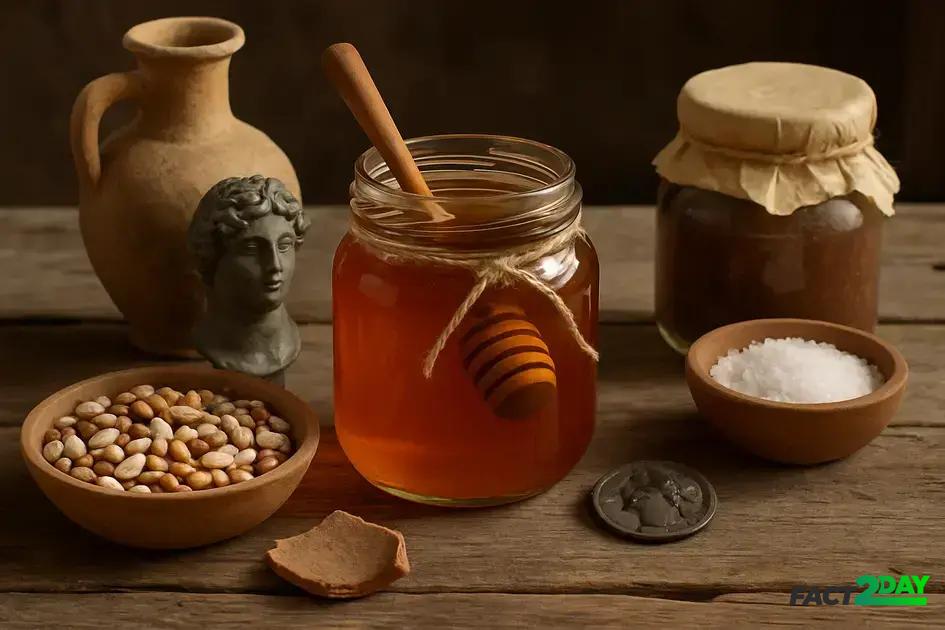
Foods eternal shelf life refers to foods that do not spoil or degrade over time under proper storage conditions. These foods can remain safe and edible for years, sometimes even centuries, due to their unique chemical and physical properties. Understanding why certain foods last so long helps us appreciate ancient discoveries like perfectly edible honey found in archaeological sites.
The importance of foods with eternal shelf life goes beyond curiosity. They provide reliable nutrition in survival situations, disaster preparedness, and long-term storage for emergencies. Foods like honey, salt, sugar, and dried legumes naturally resist bacteria and mold growth, which commonly causes spoilage.
Moreover, these foods challenge our perception of freshness and expiration dates. While many products have strict use-by dates, eternal shelf life foods demonstrate that natural preservation can defy time when moisture, oxygen, and microbial activity are minimized.
Factors Contributing to Eternal Shelf Life
Several key factors allow foods to last indefinitely: extremely low moisture content, high acidity, natural antimicrobial compounds, and airtight storage. For instance, honey’s low water content and acidity create an environment hostile to bacteria.
Recognizing these traits in foods helps people select and store items wisely, reducing waste and ensuring nutritional resources are available when traditional perishables run out.
The science behind immortal honey’s remarkable preservation
Immortal honey is famous for its ability to resist spoilage for centuries, thanks to a unique combination of chemical and physical properties. Its low water content is one of the main reasons it stays preserved. Bacteria and molds need moisture to grow, but honey has less than 18% water, making it inhospitable for most microorganisms.
Another key factor is honey’s natural acidity. With a pH ranging between 3.2 and 4.5, honey creates an acidic environment that bacteria find hard to survive in. This acidity is due to organic acids like gluconic acid produced by bees during the honey-making process.
The role of hydrogen peroxide
Honey also produces small amounts of hydrogen peroxide naturally. This acts as a mild antiseptic, helping to prevent bacterial growth. Combined with its thick consistency, it forms a protective barrier against contamination.
Enzymes added by bees, such as invertase and glucose oxidase, play a critical role too. These enzymes break down sugars and produce hydrogen peroxide, enhancing honey’s preservation. Additionally, antioxidants in honey protect it from oxidation and degradation over time.
When stored in sealed containers away from moisture and heat, honey can stay edible indefinitely. This remarkable natural preservation process makes immortal honey a fascinating and enduring food wonder.
Ancient foods discovered still edible after centuries
Throughout history, archaeologists have uncovered ancient foods that remain edible even after centuries. These foods include honey found in Egyptian tombs, seeds, grains, and dried legumes stored in airtight containers. The discovery of immortal honey, for instance, amazed scientists due to its perfect preservation and sweetness, unchanged after thousands of years.
These ancient foods survive because of natural preservation factors like low moisture, acidity, and the exclusion of oxygen, which prevent microbial growth. Additionally, storing foods in sealed containers or dry, cool environments slows down decay processes.
Examples of edible ancient foods
Besides honey, other findings include dried fruits, nuts, and fermented foods like miso or kimchi, which can last long due to their acid and salt content. Ancient cured meats and fish have also been preserved through salting and drying processes.
These findings offer insights into the diets and preservation methods of past civilizations and reveal nature’s capacity to keep food safe and nutritious over extended periods.
How food preservation techniques evolved through history
Food preservation techniques have evolved significantly throughout history to help humans keep food edible longer and reduce waste. Early methods included drying, salting, smoking, and fermenting, which allowed people to store food through seasons with limited resources.
Drying was one of the first techniques, where water was removed from food to prevent bacterial growth. Ancient cultures used sun-drying for fruits, meats, and fish, enabling long-term storage without refrigeration.
Salt and smoke preservation
Salting draws moisture out of food, creating an environment hostile to bacteria. Smoke from burning wood also helps preserve food by adding antimicrobial compounds and drying it further. These methods were widely used for meats and fish.
Fermentation, another ancient technique, uses beneficial bacteria to convert sugars into acids or alcohol. This process preserves food and enhances flavor, with examples like yogurt, sauerkraut, and kimchi.
With the Industrial Revolution, preservation advanced through canning and refrigeration. Modern methods include freezing, vacuum sealing, and packaging with preservatives, all designed to prolong shelf life while maintaining nutritional value.
Understanding these historical techniques helps us appreciate the science behind preservation and supports safer, smarter food storage practices today.
Natural factors that contribute to eternal shelf life in foods
Natural factors play a major role in why some foods have an eternal shelf life. One of the most important is very low moisture content. When water is scarce, bacteria and molds cannot grow, which stops food from spoiling. For example, honey and dried legumes have very little water, helping them last long.
Another key factor is acidity. Foods with low pH, such as vinegar and certain fruits, create an acidic environment that kills or slows the growth of harmful microbes. This natural preservation helps keep food safe for a long time.
The role of natural preservatives
Some foods contain natural compounds that fight bacteria and oxidation. For instance, honey contains hydrogen peroxide and antioxidants that protect it. Salt is another natural preservative that draws water out of food and microbes, making decay hard.
Additionally, the natural structure of foods can protect them. Thick peels, hard shells, or wax coatings form barriers against moisture and germs, extending freshness. For example, nuts and some fruits use these defenses.
Lastly, storage conditions that limit oxygen exposure, such as airtight packaging, can work with natural factors to keep foods edible indefinitely.
Surprising foods besides honey that never truly spoil
Many foods beyond honey have the amazing ability to last indefinitely when stored properly. One well-known example is salt, which never spoils. Salt effectively prevents the growth of bacteria by drawing moisture out of foods, making it an essential preservative throughout history.
Another surprising food is white rice, especially when kept dry and sealed. It can remain edible for decades, providing a stable source of carbohydrates in long-term storage.
Dried beans and lentils
Dried legumes like beans and lentils also have a very long shelf life. Their hard outer shells protect the seeds inside from spoilage, and when stored in cool, dry conditions, they can last for years or even longer.
Pure sugar is another food that won’t spoil. Like salt, sugar inhibits microbial growth by absorbing moisture, which is why it’s used in jams and preserves.
Finally, vinegar can last indefinitely due to its acidity, which creates an environment hostile to bacteria and mold. These foods are not only long-lasting but also versatile in cooking and preserving other foods.
The role of sugars and acids in preventing food spoilage
Sugars and acids are two powerful natural agents that help prevent food spoilage. Sugars work mainly by drawing moisture out of food and microbes through a process called osmosis. When there is less available water, bacteria and molds cannot grow easily, which slows down or stops the spoilage process.
High sugar content is why foods like honey and jams can stay fresh for months or even years. Sugar acts as a preservative by creating an environment where microbes cannot thrive.
How acids preserve food
Acids, on the other hand, lower the pH of food, making it more acidic. Most bacteria prefer a neutral pH, so acidic conditions create a hostile environment that inhibits their survival. Foods like vinegar, citrus fruits, and fermented products contain natural acids that protect them from decay.
The combination of sugars and acids is especially effective. For example, fruits preserved in syrup or vinegar benefit from both agents, resulting in improved shelf life.
Understanding the role of sugars and acids is key to many traditional preservation methods and modern food processing techniques that keep food fresh and safe for longer periods.
How airtight packaging extends food shelf life
Airtight packaging is a crucial method for extending the shelf life of many foods. By sealing food in containers that block air, moisture, and contaminants, the packaging prevents oxidation and the growth of bacteria and mold that cause spoilage.
Oxygen is one of the main enemies of food preservation because it promotes the growth of microbes and causes chemical reactions that degrade flavor, color, and nutrients. Airtight packaging limits oxygen exposure, slowing these harmful processes.
Types of airtight packaging
Common forms include vacuum sealing, where air is removed before sealing, and modified atmosphere packaging, which replaces oxygen with inert gases like nitrogen. Both methods help create an environment unfavorable to spoilage.
Materials like glass jars, plastic containers with tight lids, and specialized films also provide airtight seals. Proper packaging, combined with cool and dry storage conditions, maximizes freshness and safety.
By reducing contact with air, airtight packaging keeps foods like dried fruits, nuts, and preserved meats edible for much longer periods, making it an essential preservation technique in both home kitchens and commercial food production.
Myths and truths about canned and preserved foods’ longevity
Canned and preserved foods are often misunderstood when it comes to their longevity. A common myth is that canned foods last forever once sealed. While canning greatly extends shelf life by preventing microbial growth, cans can deteriorate over time due to corrosion or damage, affecting food safety.
Truths about canned food longevity include that many canned goods remain safe to eat for years past their printed dates if stored properly in a cool, dry place. However, the quality, such as taste and texture, may decline with time.
Common misconceptions
Some people believe that if a can is bulging or leaking, the food inside is safe if it smells fine after opening. This is false; such signs usually indicate spoilage or harmful bacteria presence, so the food should be discarded immediately.
Preserved foods like pickles or jams also have long shelf lives due to high acidity or sugar content, but they too can lose quality and safety if stored incorrectly or past their effective limits.
Understanding proper storage conditions and inspecting food before consumption is essential to safely enjoy canned and preserved foods, separating fact from fiction regarding their shelf life.
Understanding food fermentation and its preservation power
Food fermentation is an ancient preservation method that uses beneficial bacteria, yeasts, or molds to convert sugars into acids, alcohol, or gases. This process inhibits harmful microbes, prolonging shelf life while also enhancing flavor and nutrition.
Fermentation creates an acidic or alcoholic environment that prevents spoilage bacteria from growing. Common examples include yogurt, sauerkraut, kimchi, and sourdough bread.
How fermentation preserves food
The microbes involved produce compounds like lactic acid or ethanol that lower the pH and act as natural preservatives. This keeps the food safe without needing refrigeration, especially when stored properly.
Besides preservation, fermentation increases the food’s digestibility and adds probiotics that support gut health.
Traditional fermentation techniques often rely on natural microbes present on food surfaces or added starter cultures. Controlling temperature, salt levels, and oxygen availability is key to producing safe, flavorful fermented foods.
Tips for storing foods to maximize their shelf life
Proper food storage is essential to maximize shelf life and reduce waste. First, keep foods in cool, dry places away from direct sunlight and humidity to slow down spoilage and maintain quality.
Use airtight containers
Storing foods in airtight containers helps prevent exposure to oxygen and moisture, two major causes of food deterioration. Use glass jars, plastic containers with tight lids, or vacuum-sealed bags for best results.
Separate foods by type and avoid overcrowding storage spaces. This ensures proper air circulation and prevents cross-contamination.
Label and date food items
Always label your stored foods with the date of storage. This practice helps you use older items first and avoid keeping foods past their prime.
For frozen items, portion foods before freezing to make thawing and use easier while preserving freshness.
Refrigerate perishable items
Store perishable foods such as dairy, meats, and fresh produce in the refrigerator at temperatures below 40°F (4°C). Use the crisper drawer for fruits and vegetables and keep them dry to prevent mold.
Following these tips helps extend the life of your foods, keeping them safe and tasty for longer periods.
Foods with eternal shelf life in survival and emergency kits
Foods with eternal shelf life are essential components of survival and emergency kits. These foods provide reliable nutrition without the need for refrigeration or frequent replacement. Popular choices include honey, salt, sugar, dried legumes, and hardtack biscuits.
Honey is prized for its sweetness and energy, and it can last indefinitely when stored properly. Salt not only enhances flavor but also helps preserve other foods and supports electrolyte balance in emergencies.
Practical survival foods
Dried beans, rice, and lentils offer essential proteins and carbohydrates, with very long shelf lives if kept dry and sealed. Freeze-dried fruits and vegetables retain nutrients and flavor, making them valuable in diverse diets.
Canned goods, especially meats and vegetables, can last for years if stored correctly, providing a good mix of nutrients and calories. It is critical to check cans regularly for damage or swelling.
Including these foods in emergency kits ensures preparedness, offering sustenance when fresh food sources are scarce or unavailable.
How climate affects the preservation of different foods
Climate plays a significant role in the preservation of foods by affecting moisture, temperature, and microbial activity. Hot and humid climates accelerate food spoilage because warmth and moisture promote the growth of bacteria, molds, and yeasts.
Cool and dry environments are ideal for preserving many foods, as they slow chemical reactions and microbial growth. This is why root cellars and refrigerators help keep perishables fresh longer.
Impact of humidity and temperature
High humidity can cause dried foods to absorb moisture, leading to mold and decay. On the other hand, extreme cold can cause some foods to freeze and degrade texture, while moderate cold preserves quality better.
Traditional preservation methods often adapted to climate conditions. For example, smoking and salting food are common in humid areas to combat moisture, while drying is widely used in arid regions.
Understanding the climate’s effects helps tailor storage and preservation techniques to maximize food shelf life and safety in different environments.
Future technology trends that might enhance food longevity
Future technology trends promise to revolutionize food longevity by improving preservation methods and reducing waste. Advances in packaging materials, such as biodegradable films with antimicrobial properties, help keep foods fresher for longer while being eco-friendly.
Nanotechnology is emerging as a game-changer. Nanoparticles can be used in packaging to detect spoilage or release preservatives gradually, enhancing food safety and shelf life.
Innovations in cold storage
Improvements in refrigeration technology, including energy-efficient smart refrigerators that monitor food freshness, allow better control of storage conditions, reducing spoilage.
Another exciting area is biotechnology, where genetically modified organisms can be engineered for longer shelf life or improved resistance to spoilage.
Smart sensors and blockchain are also being integrated into food supply chains to track products’ conditions in real-time, ensuring quality from farm to table.
These technologies combined have the potential to significantly extend food shelf life, support sustainability, and reduce global food loss.
Wrapping up foods with eternal shelf life
Foods that never spoil, like immortal honey and other natural wonders, provide amazing insights into preservation and nutrition. Understanding the science and natural factors behind their longevity helps us better store and enjoy foods safely.
From ancient preservation methods to future technologies, food shelf life continues to evolve, supporting sustainability and reducing waste.
By choosing the right foods and storage techniques, you can be prepared for emergencies and enjoy fresh-tasting food longer. Embracing these timeless foods is a smart way to safeguard your pantry and health.