From Scraps to Superfoods: The Innovative World of Food Waste Upcycling and Culinary Creativity
Explore Food Waste Upcycling Innovations transforming scraps into superfoods with creative culinary solutions that inspire sustainability and reduce waste.
Exoplanets are planets orbiting stars beyond our solar system, discovered using methods like detecting slight dimming in starlight when these planets pass in front, revealing a vast and diverse universe with thousands of confirmed worlds and endless possibilities.
Have you ever wondered how your leftover food could become valuable again? Food Waste Upcycling Innovations are turning scraps into nutritious superfoods in surprising ways. This journey into culinary creativity might change how you see waste forever.
Understanding food waste upcycling: basics and benefits
Food waste upcycling involves transforming food scraps and byproducts into valuable, nutritious products instead of discarding them. This approach not only reduces the amount of waste sent to landfills but also helps conserve resources and lower greenhouse gas emissions. Common examples include turning fruit peels into powders, converting vegetable trimmings into broths, or fermenting leftover grains into protein-rich snacks.
Basics of food waste upcycling
At its core, upcycling food waste is about creativity and resourcefulness. It uses parts of food that are usually discarded, like skins, seeds, or pulp, which often contain important nutrients. These scraps can be repurposed into new foods or ingredients that are both tasty and healthy.
Benefits for the environment and economy
By reducing food waste, we lower methane emissions from landfills and decrease the demand for new raw materials. This helps protect ecosystems and reduces pollution. Economically, upcycling can create new business opportunities, reduce production costs, and provide affordable food alternatives.
Food waste upcycling encourages innovation in the food industry and empowers consumers to rethink their habits. Incorporating upcycled ingredients not only supports sustainability but can also enrich diets with novel, nutrient-dense superfoods.
Common types of food scraps used in upcycling
Food scraps used in upcycling come from various parts of fruits, vegetables, grains, and even dairy and bakery products. These scraps are often discarded despite being rich in nutrients and flavors. Common examples include fruit peels like orange, banana, and mango skins which are high in fiber and antioxidants. Vegetable trimmings such as carrot tops, broccoli stems, and potato peels also have valuable nutrients and can be turned into broths, powders, or chips.
Grains and bakery leftovers
Stale bread and leftover grain husks can be repurposed into breadcrumbs, croutons, or even fermented to produce protein-rich snacks. These scraps help reduce waste and add nutritional value to new food products.
Dairy and protein scraps
In some upcycling processes, whey, a byproduct of cheese making, is turned into protein powders or drinks. Similarly, parts of meat and fish that are normally discarded may be processed into pet foods or flavor enhancers.
Using these common food scraps reflects a commitment to sustainability and innovation by finding new uses for what would normally be wasted.
Innovative technologies driving food waste transformation
Several innovative technologies are reshaping how food waste is transformed into valuable products. One key advancement is fermentation, which uses microbes to convert waste into nutritious ingredients like protein powders and natural flavor enhancers. This process can improve food safety and increase shelf life.
Enzymatic breakdown and extraction
Enzymes are applied to break down complex food waste materials into simpler components such as sugars and fibers. These components can be repurposed into biofuels, food additives, or health supplements. This method is efficient and eco-friendly.
High-tech drying and milling
Technologies like freeze-drying and micro-milling enable delicate preservation of nutrients found in food scraps. These processes turn waste into powders that can be used as superfood ingredients or natural colorants.
Robotics and AI are also being used to sort and process food waste more precisely, improving the quality of upcycled products while reducing human error and waste.
Together, these technologies create a sustainable cycle where food waste becomes a resource, fostering innovation and reducing environmental impact.
Superfoods born from food waste: examples and benefits
Superfoods created from food waste transform discarded parts into nutrient-rich, delicious ingredients. For example, fruit peels like orange and banana are dried and powdered to boost fiber and antioxidants in smoothies and baked goods. Another popular product is coffee flour made from discarded coffee cherry pulp, which adds protein and nutrients to snacks.
Examples of food waste superfoods
Vegetable stems and leaves can be turned into powders or chips rich in vitamins and minerals. Additionally, spent grains from beer production are repurposed into high-protein baking flours. Fermented food waste like whey is converted into protein powders used in shakes and bars.
Benefits of upcycled superfoods
These superfoods are often more sustainable and affordable than conventional options. They help reduce environmental impact by diverting waste from landfills and lower the carbon footprint of food production. Nutritionally, they provide extra fiber, protein, and antioxidants that promote health and wellness.
Using food waste superfoods supports innovation and offers a creative way to improve both diet and planet health.
Culinary creativity: chefs leading upcycling efforts
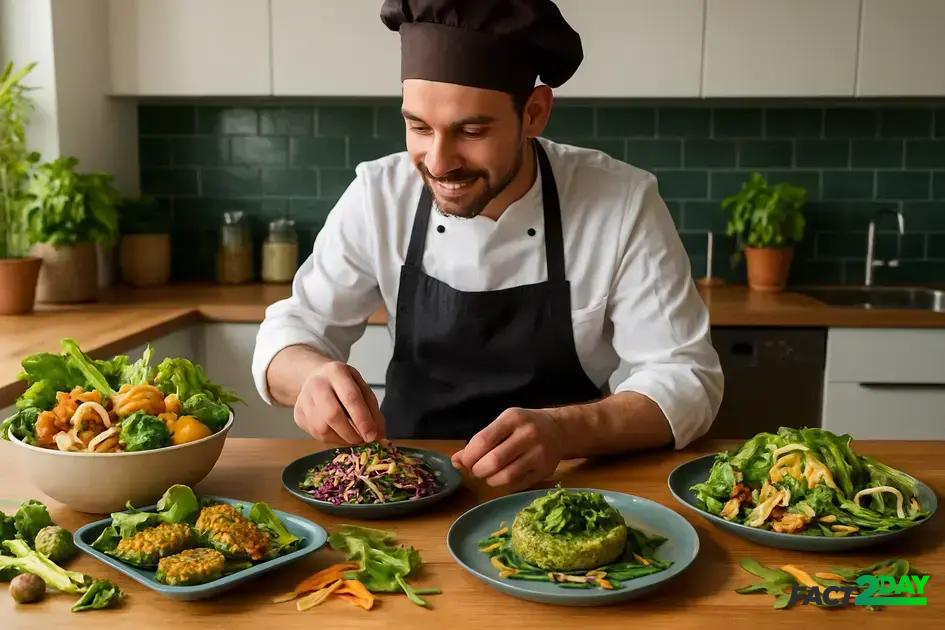
Chefs around the world are pioneering innovative ways to upcycle food waste into gourmet dishes. By using vegetable peels, fruit cores, and leftover grains, they create new flavors and textures that surprise and delight diners. This approach promotes sustainability in the kitchen while inspiring creativity.
Innovative uses of scraps in professional kitchens
Many chefs transform usually discarded parts like carrot tops into pesto, or stale bread into crispy croutons. Some ferment vegetable peels to develop complex flavors, turning waste into sought-after ingredients. These methods reduce kitchen waste and enhance the dining experience.
Restaurants embracing food waste upcycling
Popular restaurants now feature upcycled dishes on their menus, educating customers about the value of sustainable eating. Chefs often collaborate with local producers and food scientists to source and process scraps safely and deliciously.
Culinary creativity in upcycling not only minimizes waste but also opens new possibilities for flavor and presentation, making it a growing trend in the food industry.
Environmental impact of food waste upcycling
Food waste upcycling significantly reduces the environmental footprint of our food systems. By diverting food scraps from landfills, upcycling cuts down the production of methane, a potent greenhouse gas that accelerates climate change. This process helps protect the atmosphere and slows global warming.
Reduction in resource use
Upcycling conserves valuable resources such as water, energy, and land. By making use of food that would otherwise be wasted, less energy is spent on producing new raw materials. This efficient use reduces water consumption and soil depletion, promoting a healthier planet.
Lower waste generation and pollution
Transforming food waste into usable products helps reduce landfill mass and associated pollution. It also decreases the burden on waste management systems. Upcycling can turn organic waste into products like animal feed, biofuels, or fertilizers, supporting circular economy principles.
Overall, food waste upcycling fosters sustainability by minimizing environmental damage and promoting a more responsible, eco-friendly approach to food production and consumption.
Economic advantages for businesses and communities
Food waste upcycling offers substantial economic benefits to both businesses and local communities. Companies can reduce disposal costs by turning food scraps into valuable products like animal feed, biofuels, or new food items. This approach also helps create new revenue streams by marketing upcycled products to eco-conscious consumers.
Job creation and community growth
The upcycling industry fosters local job opportunities in collection, processing, and product development sectors. Small businesses and startups often emerge to innovate with upcycled ingredients, boosting local economies and encouraging sustainable entrepreneurship.
Cost savings and competitive advantage
Businesses practicing upcycling often experience lower raw material expenses and waste management fees. This can lead to higher profit margins. Moreover, embracing sustainability can enhance brand reputation, attracting customers who prioritize environmental responsibility.
The economic impact of food waste upcycling emphasizes the value of integrating sustainability into business models, benefiting both the environment and society.
Challenges faced in the food waste upcycling industry
The food waste upcycling industry faces several challenges that can slow its growth and widespread adoption. One major hurdle is ensuring the consistent quality and safety of upcycled products. Food safety regulations can be complex, as upcycled ingredients often come from diverse and variable sources, requiring rigorous testing and monitoring.
Logistics and supply chain issues
Collecting and transporting food waste efficiently can be difficult. Food scraps are often scattered across multiple locations and can spoil quickly, increasing operational costs. Developing reliable supply chains is essential for the success of upcycling businesses.
Consumer perception and education
Many consumers are unfamiliar or hesitant about eating products made from food waste. Overcoming stigma and educating the public on the benefits and safety of upcycled foods is critical to market acceptance.
Investment and funding also pose challenges, as new technologies and processes require capital to develop and scale. Despite these obstacles, growing awareness and innovation continue to drive progress in the sector.
Consumer role in promoting upcycled food products
Consumers play a vital role in promoting upcycled food products by choosing to support brands that prioritize sustainability. By actively purchasing these products, consumers send a clear message to companies that reducing food waste matters and can be profitable. This demand encourages more businesses to adopt upcycling practices.
Educating consumers
Raising awareness about the benefits and safety of upcycled foods helps build trust. Consumers who understand the positive environmental and health impacts are more likely to try and recommend these products.
Advocacy and social influence
Sharing knowledge on social media and within communities helps normalize upcycled foods. Influencers and food enthusiasts can drive trends that make sustainable choices more popular and accessible.
Ultimately, consumers have the power to shape the food industry by demanding innovative, waste-reducing products, fostering a culture of sustainability and responsibility.
Packaging and marketing food waste upcycled products
Packaging plays a crucial role in marketing food waste upcycled products. Sustainable packaging materials such as recyclable papers, biodegradable plastics, or reusable containers are preferred to align with the eco-friendly nature of these products. Clear labeling that highlights the upcycled ingredients and their benefits helps educate consumers and build trust.
Marketing strategies for upcycled products
Brands often use storytelling to share the journey of upcycled ingredients from waste to superfood. This creates emotional connections and raises awareness about food waste issues. Highlighting certifications, like organic or non-GMO, further boosts consumer confidence.
Targeting eco-conscious consumers
Marketing efforts focus on audiences passionate about sustainability and health. Digital campaigns, social media influencers, and collaborations with environmental organizations increase product visibility and acceptance.
Effective packaging and marketing ensure that upcycled food products stand out on store shelves and online platforms, driving consumer interest and supporting a circular economy.
Global trends and pioneers in food waste upcycling
Global trends in food waste upcycling show increasing innovation and collaboration. Countries worldwide are adopting policies to reduce food waste and encouraging startups focused on creating valuable products from scraps. From Europe to Asia, entrepreneurs are developing unique solutions tailored to local food cultures and waste challenges.
Pioneers leading the way
Several companies and organizations have become leaders by designing scalable upcycling technologies and sustainable business models. These pioneers often collaborate with farmers, retailers, and researchers to maximize impact. For example, some European startups transform spent grain into nutritious snacks, while Asian companies use fruit peels to make eco-friendly packaging.
International cooperation and awareness
Global initiatives and partnerships between governments, NGOs, and private sectors help share knowledge, funding, and resources. Campaigns to educate consumers and businesses encourage broader participation, making food waste upcycling a key part of global sustainability efforts.
Food waste upcycling is becoming a worldwide movement, blending tradition and innovation to address one of the planet’s biggest environmental challenges.
Regulations and food safety in upcycling processes
Regulations in food waste upcycling are essential to ensure the safety and quality of the final products. Food safety agencies set strict guidelines for sourcing, handling, and processing upcycled ingredients. These rules help prevent contamination and protect consumers from potential health risks.
Food safety standards and compliance
Businesses must comply with standards such as Hazard Analysis and Critical Control Points (HACCP) and Good Manufacturing Practices (GMP). These protocols require thorough monitoring of each stage of the upcycling process, from collection to packaging, to maintain product safety.
Challenges in regulatory frameworks
Due to the novel nature of food waste upcycling, regulations may vary between regions and can sometimes be unclear. Companies must stay updated on local laws and work with authorities to ensure their products meet all safety requirements.
Ensuring compliance fosters consumer trust and supports the growth of the upcycled food market, promoting sustainability without compromising health standards.
Future prospects of food waste upcycling innovations
The future of food waste upcycling innovations looks promising as technology advances and consumer demand grows. Researchers are exploring new methods to convert a wider range of food scraps into valuable products, including alternative proteins, biodegradable packaging, and functional ingredients that boost health.
Emerging technologies and applications
Innovations such as bioengineering, artificial intelligence, and advanced fermentation are enabling more efficient and scalable upcycling processes. These technologies can help unlock the potential of previously untapped waste streams and improve product quality.
Growing market and consumer trends
As awareness increases, upcycled products are expected to become mainstream, with more brands adopting sustainable practices. Consumers are increasingly looking for eco-friendly options, pushing the market to expand and diversify.
Collaboration and policy support will play key roles in shaping the future by fostering innovation and encouraging industry-wide adoption. Partnerships between governments, companies, and researchers can accelerate progress toward a circular food economy.
How to start incorporating upcycled foods in your diet
Incorporating upcycled foods into your diet starts with awareness and small changes. Begin by exploring products labeled as upcycled in grocery stores or farmers markets. These can include snacks, flours, or beverages made from food waste ingredients.
Try upcycled ingredients in cooking
Use upcycled flours made from spent grains or fruit powders to enhance your baking recipes. Adding vegetable peel powders to soups and smoothies is another easy way to boost nutrition and reduce waste.
Support brands and restaurants
Look for local restaurants or food brands that specialize in upcycled foods. Trying their dishes can inspire you and expose you to creative, delicious ways to enjoy these products.
Gradually incorporating upcycled foods not only helps reduce food waste but also enriches your diet with novel, healthy ingredients.
Wrapping Up Food Waste Upcycling
Food waste upcycling is a powerful way to turn scraps into valuable, healthy products while helping the environment. By embracing innovative ideas and supporting sustainable brands, we can all make a difference.
As more people incorporate upcycled foods into their diets, the food industry will continue to grow and create new solutions to reduce waste. Taking small steps today can lead to big changes for a cleaner, healthier planet.
Let’s support this exciting movement and enjoy the creative flavors and benefits food waste upcycling offers.