From Scraps to Superfoods: The Innovative World of Food Waste Upcycling
Food Waste Upcycling explores transforming leftovers into valuable superfoods, inspiring smarter, sustainable eating habits and waste reduction.
Goosebumps triggered by music, known as frisson, result from the brain’s simultaneous activation of reward and fear centers, creating a pleasurable yet intense emotional response.
Have you ever noticed how much potential lies in our leftovers? Food waste upcycling is a growing movement transforming scraps into valuable resources, challenging us to rethink waste and nourish ourselves sustainably. It’s more than just a trend; it’s a fundamental shift in how we view and utilize our food. Curious how this magic happens? Let’s dive in together.
Understanding food waste upcycling and its impact
Food waste upcycling is the ingenious process of transforming food scraps and byproducts, which would otherwise be discarded, into new, valuable products. This approach not only significantly reduces waste but also creates substantial opportunities for sustainable nutrition and environmental conservation.
Essentially, it means we make use of parts typically thrown away, such as fruit peels, vegetable stems, and stale bread, converting them into nutritious ingredients, innovative food items, or even non-food products.
The impact of food waste upcycling is truly significant, reaching across various sectors. By diverting food from landfills, it plays a critical role in lowering methane emissions—a potent greenhouse gas that contributes significantly to climate change.
Moreover, this practice actively supports a circular economy, maximizing resource utilization and lessening the demand for new raw materials. Ultimately, upcycling can generate considerable economic value by producing innovative products that appeal to a growing segment of health-conscious and eco-aware consumers.
The multifaceted benefits of this practice
| Benefit Category | Specific Impact |
|---|---|
| Environmental | Preserves natural resources (water, soil), reduces methane emissions, lowers carbon footprint. |
| Economic | Creates new markets and revenue streams, reduces disposal costs, fosters innovation and job creation. |
| Nutritional | Recovers valuable nutrients (fiber, vitamins, antioxidants) from discarded parts, enhancing diet. |
| Social | Encourages responsible consumption, fosters community creativity, raises awareness about food waste. |
Common challenges in food waste upcycling
Food waste upcycling, despite its immense promise, is not without its hurdles. Several challenges must be meticulously addressed to ensure its success, scalability, and, crucially, its safety.
One pervasive issue encountered is the inherent variability in the quality and type of waste. Food scraps fluctuate significantly by season, source, and initial handling methods, which makes consistent, standardized product manufacturing a complex endeavor.
Another critical challenge revolves around safety and health concerns. The proper handling and processing of food waste are paramount to prevent contamination from harmful bacteria, molds, or toxins.
Consequently, regulatory frameworks can be quite stringent, often demanding that businesses meet rigorous food safety standards before any upcycled food products can be brought to market. Overcoming these concerns requires robust quality control and adherence to best practices.
Logistical complexities also play a significant role. These include the efficient collection, appropriate storage, and timely transportation of food waste. If these steps are not managed with precision, the risks of spoilage increase dramatically, leading to higher operational costs and reduced viability.
Furthermore, consumer perception barriers can be substantial; some individuals may initially be hesitant to purchase products made from food waste due to long-held misconceptions about quality or hygiene, necessitating educational efforts.
Finally, the initial capital investment required for specialized equipment and technology to effectively upcycle can present a significant financial hurdle for startups and small businesses. Despite these intricate challenges, a combination of innovative solutions and growing public awareness is steadily helping to overcome these obstacles, propelling the expansion of food waste upcycling.
Key benefits of upcycling food waste
Upcycling food waste offers a multitude of benefits that extend far beyond simply reducing the volume of trash in landfills. This innovative practice contributes positively to various facets of our existence, making it a cornerstone of modern sustainability efforts.
At its core, one of the most compelling advantages is its significant environmental impact. By transforming what would otherwise be considered waste into valuable products, we drastically reduce the amount of food that ends up decomposing in landfills. This diversion is critical because decaying organic matter produces methane, a potent greenhouse gas. Thus, upcycling directly lowers greenhouse gas emissions, conserves precious natural resources like water and energy, and diminishes the overall carbon footprint associated with food production and disposal.
Another crucial benefit is the substantial economic opportunity it creates. Upcycling allows businesses and entrepreneurs to convert discarded or undervalued ingredients into innovative, high-value products that resonate strongly with eco-conscious consumers. This process not only fosters new markets and revenue streams but also supports job creation across collection, processing, and product development sectors.
Furthermore, from a health perspective, many upcycled products are naturally rich in nutrients. For instance, fruit peels and pulp, often discarded, are packed with fiber, vitamins, and antioxidants. By repurposing these components into superfoods, supplements, or functional ingredients, we can enhance dietary quality in remarkably sustainable ways.
Finally, the social benefits of embracing food waste upcycling are equally profound. It plays a vital role in raising awareness about the broader issue of food waste and actively encourages more responsible consumption patterns among individuals and communities.
When communities adopt and celebrate upcycling practices, they foster a vibrant culture of creativity, collaboration, and resourcefulness, effectively turning what was once perceived as a problem into a tangible solution for collective well-being. Ultimately, upcycling food waste significantly supports the transition towards a circular economy by maximizing resource utilization and minimizing environmental harm, creating a healthier planet and a more resilient society.
Popular methods for food waste upcycling
To effectively transform discarded food items into useful and nutritious products, a variety of popular methods are employed, each leveraging different scientific principles. These techniques are crucial for maximizing the value extracted from food waste.
| Method | Description | Examples of Products |
|---|---|---|
| Fermentation | Utilizes microorganisms (bacteria, yeast) to break down and transform food scraps, enhancing flavor, nutritional value, and shelf life. | Kimchi from vegetable scraps, kombucha from fruit leftovers, sourdough starters from flour discards, fermented hot sauces. |
| Dehydration & Drying | Removes moisture from food waste, inhibiting microbial growth, extending shelf life, and creating concentrated forms. | Fruit leathers from overripe fruit, vegetable powders from peels/trimmings, dried herbs, pet treats from meat trimmings. |
| Extraction of Valuable Compounds | Uses scientific processes to isolate specific beneficial components (e.g., antioxidants, fibers, oils) from food byproducts. | Pectin from citrus peels, essential oils from fruit rinds, antioxidants from grape pomace, food-grade dyes. |
| Reprocessing & Reformulating | Involves mechanically processing and combining food byproducts into new food items, often requiring specialized equipment. | Snacks from spent grains (e.g., crackers, protein bars), flours from fruit/vegetable pulp, beverages from fruit remnants. |
| Composting (for non-edible use) | Organic decomposition of food waste into nutrient-rich humus, primarily for soil amendment rather than human consumption. | Soil enricher for gardens, biofertilizers, substrate for animal feed (in some industrial applications). |
Innovative products created from food waste
The realm of innovative products crafted from food waste is rapidly expanding, fundamentally transforming how we perceive and utilize what were once considered mere leftovers. This burgeoning sector showcases remarkable creativity and a deep commitment to sustainability.
| Product Category | Examples | Source Material |
|---|---|---|
| Upcycled Snacks | Crisps, crackers, puffed snacks, fruit leathers, granola bars. | Vegetable peels (carrots, potatoes), fruit pulp (juice production), spent grains (brewery byproduct), imperfect fruits. |
| Sustainable Beverages | Fruit-infused teas, fermented sodas, coffee flour drinks, craft beers from bread. | Fruit skins, discarded coffee grounds, surplus bread, vegetable trimmings. |
| Nutrient-Rich Flours & Powders | Banana flour, citrus peel powder, grape seed flour, spent grain flour. | Dried fruit skins, vegetable pulp, grape pomace, spent grains. |
| Beauty & Wellness Products | Skincare (serums, creams), dietary supplements, essential oils. | Natural oils (avocado pits, coffee grounds), antioxidants (berries, citrus), fruit extracts. |
| Animal Feed Alternatives | High-protein animal feed, insect-based feeds grown on food waste. | Food processing byproducts (brewer’s spent yeast, fruit pomace), vegetable trimmings, bakery waste. |
| Textiles & Bioplastics | Vegan leather alternatives, biodegradable packaging. | Apple peels, pineapple leaves, mushroom mycelium grown on food waste. |
How to start upcycling food scraps at home
Embarking on the journey of upcycling food scraps at home is a surprisingly simple and highly rewarding endeavor. It begins with a shift in perspective, recognizing the potential in items typically relegated to the trash bin.
- Identify common food waste: Start by noticing what you usually throw away. Common household scraps include vegetable peels (carrots, potatoes, onions), fruit skins (citrus, apples, bananas), coffee grounds, tea bags, and stale bread. These items are often brimming with flavor and nutrients.
- Homemade composting: For non-edible scraps (like tough avocado skins, some fruit rinds, or spoiled items), composting is an excellent starting point. It transforms organic waste into nutrient-rich soil, which can then be used to nurture houseplants or a garden, closing the loop beautifully.
- Create flavorful stocks and broths: Collect vegetable trimmings (onion skins, carrot tops, celery ends) and chicken or beef bones. Store them in a bag in the freezer. Once you have a sufficient amount, simmer them with water and herbs to create a deeply flavorful homemade stock or broth, perfect for soups, stews, and sauces.
- Repurpose overripe fruits and vegetables: Don’t discard slightly bruised or overly ripe fruits. Instead, transform them into jams, sauces, smoothies, or baked goods. Overripe bananas are perfect for banana bread, while soft berries can become a quick compote.
- Dry or dehydrate peels: Consider drying citrus peels to make aromatic zest for cooking or homemade potpourri. Apple peels can be baked into crispy snacks, and even certain vegetable peels can be dehydrated and ground into nutrient-rich powders for smoothies or seasonings.
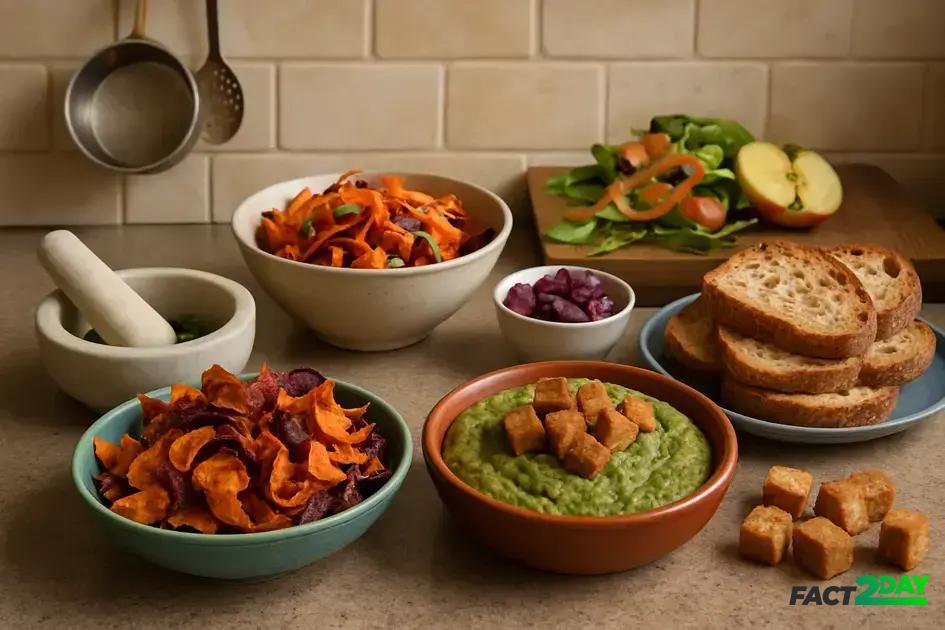
- Give stale bread a second life: Stale bread is a versatile ingredient. Turn it into crunchy croutons for salads, savory breadcrumbs for coating, or a comforting bread pudding. This prevents a common waste item from going to waste.
- Experiment with simple fermentation: For the more adventurous, home fermentation can be a fascinating way to upcycle. Use cabbage ends to make sauerkraut or surplus vegetables to create pickles. Just remember to research proper hygiene and techniques to ensure safety.
- Plan meals mindfully: Beyond direct upcycling, a crucial step is meal planning. By planning your meals and shopping lists, you reduce the likelihood of having excess ingredients that turn into waste. Be mindful of portion sizes to avoid uneaten leftovers.
By making these practices a regular part of your daily routine, you not only contribute significantly to environmental sustainability but also unlock creative culinary possibilities, adding variety and nutrition to your meals while minimizing your household’s ecological footprint.
Tools and technologies aiding food waste upcycling
The advancement of modern tools and technologies has been instrumental in making food waste upcycling both more efficient and increasingly accessible. These innovations are crucial for scaling up upcycling efforts from household to industrial levels.
- Smart sorting machines: Utilizing advanced sensors and artificial intelligence, these machines can quickly identify and separate different types of food waste. This ensures optimal quality control and prevents contamination, which is vital for safe upcycling processes.
- Dehydrators and food processors: At both domestic and industrial scales, these devices are widely used to convert moist food scraps into stable powders or flours. By removing water, they extend shelf life and create versatile ingredients for various applications, while also preserving nutrient content.
- Biotechnology techniques: Innovative biotechnological methods, such as advanced fermentation tanks and targeted microbial treatments, are transforming food waste into high-value products. These can range from probiotic-rich foods and natural preservatives to industrial chemicals and even bioplastics.
- Mobile apps and software platforms: Digital tools are playing an increasingly supportive role. Applications help households and businesses track their food waste, plan meals more effectively to reduce excess, and even facilitate the sharing of surplus ingredients with local communities or food banks, fostering a more connected system.
- Data analytics and supply chain management tools: On an industrial level, sophisticated data analytics and supply chain software assist companies in optimizing the collection, storage, and distribution of food scraps. This reduces spoilage risks, enhances operational efficiency, and ensures that byproducts reach upcycling facilities effectively.
Collectively, these technologies significantly enhance the sustainability and profitability of food waste upcycling initiatives. They are critical drivers in promoting a truly circular food economy, where waste is seen as a valuable resource rather than a discardable problem.
Economic advantages of upcycling food waste
Upcycling food waste presents clear and compelling economic advantages that resonate across businesses, communities, and individuals, fostering a more sustainable and financially robust system. This practice transforms what was once a liability into a valuable asset.
| Stakeholder | Economic Advantage |
|---|---|
| Businesses |
|
| Communities |
|
| Individuals |
|
Environmental impact of reducing food waste
Reducing food waste, especially through upcycling, has a profoundly positive and far-reaching impact on the environment. This practice is a cornerstone of environmental sustainability, offering multiple benefits that directly address some of the most pressing ecological challenges of our time.
At the forefront of these benefits is its crucial role in mitigating climate change. When food is discarded and left to rot in landfills, it decomposes anaerobically, producing significant amounts of methane. Methane is a potent greenhouse gas, far more damaging than carbon dioxide in the short term. By upcycling food waste, we effectively limit methane emissions, thereby making a substantial contribution to slowing global warming and combating climate change.
Moreover, utilizing food scraps means a reduced demand for the production of new food, which in turn saves immense quantities of vital natural resources. For instance, agriculture globally consumes a significant portion of freshwater supplies thus, wasting less food directly translates to conserving this precious resource.
Additionally, it helps to prevent deforestation and habitat loss, as less agricultural land is needed to produce surplus food.
This, in turn, safeguards biodiversity and supports the health and resilience of natural ecosystems. Beyond these, the reduction in food waste also leads to fewer trucks and transportation resources being needed to move discarded food to landfills, consequently cutting down on pollution associated with fuel consumption.
| Environmental Aspect | Impact of Food Waste Reduction |
|---|---|
| Greenhouse Gas Emissions | Significantly reduces methane (a potent GHG) from landfills, mitigating climate change. |
| Natural Resource Conservation | Saves vast amounts of water, land, and energy required for food production. |
| Biodiversity Protection | Decreases pressure for agricultural expansion, preventing deforestation and habitat destruction. |
| Pollution Reduction | Lowers transportation emissions by reducing waste hauling and food production intensity. |
| Soil Health | Supports healthier soils through composting and sustainable land use practices. |
Overall, adopting food waste upcycling as a widespread practice helps to conserve invaluable resources, drastically reduce pollution, and lower greenhouse gas emissions, positioning it as a pivotal strategy for comprehensive environmental sustainability.
Addressing safety and health concerns
Addressing safety and health concerns is absolutely paramount for any successful and trustworthy food waste upcycling initiative. Without rigorous attention to these aspects, the promise of sustainability could be undermined by risks to consumer well-being.
- Proper handling and storage: This is the first line of defense. Scraps must be handled hygienically from the moment they are generated. Keeping food waste refrigerated or frozen if not used immediately is crucial to prevent the rapid growth of harmful bacteria, molds, and other spoilage microorganisms.
- Thorough cleaning protocols: All utensils, containers, and surfaces that come into contact with food waste must be meticulously cleaned and sanitized. Adhering to strict hygiene protocols throughout the upcycling process protects against cross-contamination and ensures the safety of the final product, safeguarding both producers and consumers.
- Understanding safe scraps: It is vital to educate oneself and others on which food scraps are genuinely safe and suitable for upcycling. Items that are already spoiled, visibly moldy, or potentially contaminated should always be avoided. Focusing on fresh, clean byproducts ensures that the raw material for upcycled products is of acceptable quality.
- Compliance with regulations: Many countries and regions have established specific regulations and guidelines for food waste upcycling, particularly for products intended for human consumption. Compliance with these legal frameworks is non-negotiable to avoid health risks, legal issues, and to build consumer trust in upcycled goods.
- Regular testing and quality control: Implementing a system of regular testing for upcycled products is an essential layer of safety. This includes screening for pathogens, toxins, and other potential contaminants. When in doubt about procedures or safety standards, consulting with food safety experts or food scientists is a prudent step to develop robust and reliable processes.
By prioritizing safety and health at every stage, food waste upcycling can indeed be both sustainable and profoundly trustworthy, consistently delivering high-quality products that benefit consumers without compromising their well-being.
Incorporating upcycling into daily routines
Incorporating food waste upcycling into daily routines can transform how you manage your kitchen, making it both simpler and remarkably rewarding. It’s about cultivating new habits that contribute to sustainability while enhancing your culinary creativity.
- Start by collecting scraps consciously: Designate a special container in your kitchen specifically for food scraps like vegetable peels, fruit skins, coffee grounds, and stale bread. This simple habit makes it easy to visualize and repurpose waste regularly, preventing it from immediately heading to the trash.
- Master homemade stocks and broths: Instead of discarding vegetable trimmings (onion skins, carrot ends, celery tops, herb stems) and leftover bones, collect them in a freezer bag. Once full, simmer these with water and seasonings to create flavorful, nutrient-rich stocks or broths, which serve as excellent bases for soups, risottos, and sauces.
- Repurpose overripe or surplus produce: Don’t let slightly bruised fruits or an abundance of vegetables go to waste. Transform overripe fruits into smoothies, jams, or baked goods (like banana bread). Surplus vegetables can be roasted, pureed into soups, or quickly pickled to extend their life and flavor.
- Dehydrate peels for powders and snacks: Fruit peels (like apple or citrus) and vegetable skins can be dried or dehydrated. These can then be ground into powders to add flavor and nutrients to smoothies, baked goods, or seasonings. Crispy apple peels make a surprisingly delicious snack.
- Give stale bread a new identity: Stale bread is incredibly versatile. It can be easily turned into homemade croutons for salads, breadcrumbs for coating dishes, or a comforting bread pudding. This prevents a common household waste item from being discarded unnecessarily.
- Explore home fermentation: For those keen to experiment, simple home fermentation projects like making sauerkraut from cabbage cores or pickles from leftover cucumbers can be a rewarding way to upcycle. This not only adds probiotic benefits but also creates unique flavors and significantly extends the shelf life of produce.
By thoughtfully integrating these practices into your daily life, you not only make a significant contribution to environmental sustainability but also unlock new culinary dimensions, enjoying creative ways to reduce food waste and enriching your meals with unique flavors and added nutrition.
Emotional and cultural aspects of food waste
The emotional and cultural aspects surrounding food waste play a significant, often understated, role in shaping how individuals and communities perceive and engage with upcycling. These deeply ingrained sentiments can either motivate or hinder efforts towards more sustainable food practices.
For many, food transcends mere sustenance; it carries profound sentimental value. It is intricately tied to family traditions, celebrations, and cherished memories. Consequently, the act of wasting food can evoke feelings akin to wasting these meaningful connections, stirring emotions like guilt or remorse. This emotional attachment underscores why discussions around food often become so personal and laden with cultural significance.
Furthermore, cultural norms heavily influence what is considered edible, what is deemed desirable, and what is quickly categorized as waste. In some cultures, there is a historical tradition of utilizing every single part of an ingredient creatively, reflecting a deep respect for resources and a legacy of scarcity. In contrast, other cultures might routinely discard certain scraps without much thought, influenced by modern convenience or changing dietary preferences.
Understanding these diverse cultural perspectives is crucial for designing and implementing effective upcycling practices that resonate with and are adopted by different communities.
The guilt and shame often associated with wasting food can be powerful motivators, driving individuals to adopt more mindful consumption habits, including embracing upcycling. However, these very emotions can also paradoxically create barriers; if people feel embarrassed or judged about their waste behaviors, they might become defensive or less open to learning new practices.
Conversely, community initiatives that celebrate upcycling, share success stories, and normalize creative reuse can transform public perceptions, making food waste reduction a source of collective pride and shared effort. By recognizing and respectfully addressing the intricate emotional and cultural dimensions of food waste, we can foster more inclusive, compassionate, and ultimately more effective approaches to sustainable living.
Community initiatives supporting upcycling
Community initiatives play an absolutely crucial role in promoting food waste upcycling, serving as vibrant hubs where people can come together to share knowledge, resources, and a collective commitment to sustainability. These grassroots efforts are fundamental in fostering a culture of reuse and responsibility.
| Initiative Type | Description and Impact |
|---|---|
| Workshops & Educational Events | Organize hands-on sessions teaching residents practical skills like composting, making broths from scraps, or preserving overripe produce. These empower individuals with actionable knowledge. |
| Local Collaboration Networks | Facilitate partnerships between local food businesses (restaurants, bakeries, grocery stores), farmers, and non-profits to collect surplus food. This food is then redistributed to those in need or channeled to upcycling facilities, effectively reducing waste across the entire supply chain. |
| Food Sharing Platforms & Apps | Create digital or physical platforms that connect individuals with excess food to others who can utilize it. This promotes a direct culture of sharing, minimizes waste, and strengthens community bonds. |
| Community Gardens & Urban Farms | These spaces frequently integrate upcycled compost (derived from local food waste) to enrich their soil. This closes the loop between waste reduction and localized food production, creating self-sustaining urban ecosystems. |
| Public Awareness Campaigns | Launch local campaigns that highlight the importance of reducing food waste and the benefits of upcycling. These initiatives foster environmental awareness, build social connections, and empower people to take direct action against food waste in their own homes and neighborhoods. |
By supporting and actively participating in these diverse community programs, individuals can contribute meaningfully to a collective movement. This movement champions sustainable practices and encourages more mindful consumption patterns, ultimately creating healthier and more resilient local food systems.
Future trends in food waste upcycling
The landscape of food waste upcycling is dynamic and continually evolving, with future trends pointing towards exciting innovations and a global surge in adoption. This next phase promises to be even more transformative, leveraging advanced science and technology.
- Advanced biotechnology applications: Expect a significant rise in sophisticated biotechnology methods. These will focus on converting complex food waste streams into a wider array of high-value products, including advanced biofuels, biodegradable packaging materials, and protein-rich nutritional supplements.
- AI and machine learning integration: Artificial intelligence and machine learning are poised to revolutionize upcycling processes. They will optimize everything from the automated collection and precise sorting of food scraps to their efficient processing, making upcycling more scalable and highly efficient.
- Strengthened collaborations: We anticipate increased collaboration and strategic partnerships between innovative startups, governmental bodies, established food industries, and academic institutions. These alliances will be crucial for co-creating supportive policies and robust infrastructures that champion circular food systems on a national and international scale.
- Driving consumer demand: The global consumer market is demonstrating an ever-growing demand for sustainable and ethically produced goods. This demand will continue to be a powerful force, driving innovation in upcycled food products, leading to new and exciting flavors, enhanced nutritional profiles, and eco-friendly packaging solutions.
- Enhanced education and awareness: A sustained emphasis on education and public awareness campaigns will be critical. These efforts will aim to shift deep-seated cultural attitudes towards food waste, progressively normalizing upcycling as a common and expected practice in both households and businesses worldwide.
- Emergence of smart kitchen technologies: The concept of “smart kitchens” is likely to become more prevalent. Future kitchens may feature integrated appliances and systems with built-in food waste tracking capabilities and even automated upcycling functions, empowering individuals to reduce waste effortlessly and seamlessly.
Overall, the future of food waste upcycling appears exceptionally promising. It is set to blend cutting-edge technology with profound sustainability principles, fundamentally transforming how we value, manage, and ultimately utilize our food resources. This continuous evolution promises a more resource-efficient and environmentally responsible global food system.
Embracing the future of food waste upcycling
The journey of upcycling food waste stands as an intelligent and profoundly effective pathway to address some of our most pressing global challenges. It offers a tangible solution to reduce environmental impact, generate significant economic value, and inspire the creation of innovative products from what was once considered mere discard.
As technology continues its relentless advance and global awareness grows exponentially, we can anticipate an ever-increasing array of creative solutions aimed at minimizing waste at every stage of the food chain.
By actively adopting and integrating upcycling practices into our lives today, we are not just making small adjustments; we are actively building a sustainable tomorrow. This future is one that inherently respects our finite resources and robustly supports healthier, more resilient communities across the globe.
Everyone has a critical role to play in this transformative movement, from individual households making conscious choices in their kitchens to large industries rethinking their production processes. Making food waste upcycling a common and highly valued part of life is a collective responsibility and an achievable goal.
With steady and accelerating progress in science, technology, and cultural shifts, the path towards a truly circular food economy looks brighter and more attainable than ever before. Therefore, we are encouraged to start small, remain curious about the potential in every scrap, and actively join this vital movement toward better food utilization and drastically reduced waste.