Salt in the Left Hand: The Most Bizarre and Ancient Food Superstitions Around the World
Explore the fascinating world of Food Superstitions with bizarre, ancient beliefs that still influence cultures today in surprising ways.
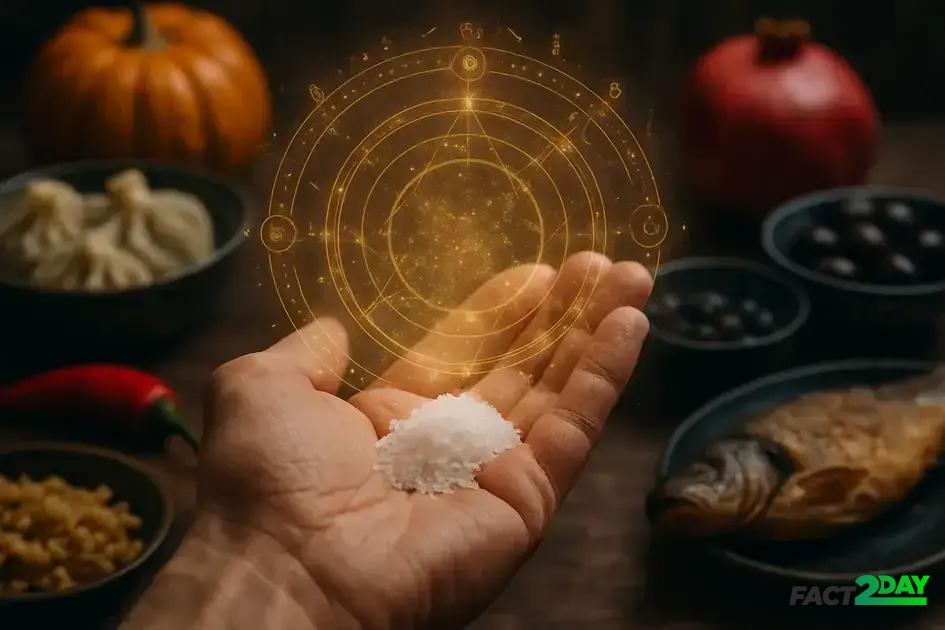
Food superstitions are ancient beliefs rooted in culture and tradition that continue to influence modern eating habits, rituals, and social behaviors across the globe.
Food Superstitions have shaped the way cultures around the world approach eating, blending mystery with tradition. Have you ever wondered why some people consider salt in the left hand unlucky? Let’s explore these captivating beliefs together.
The origins of food superstitions
Food superstitions often trace back to ancient civilizations where food was closely tied to survival and spirituality. Early humans used rituals and beliefs to explain natural phenomena related to food, such as harvest success or the risk of illness. These superstitions grew from cultural stories passed down through generations.
Connection to survival
Many superstitions started as practical advice disguised in ritual form to protect food sources or ensure safe consumption. For example, some cultures avoided eating certain animals believed to carry diseases or bad spirits. These beliefs helped communities stay healthy and avoid poisoning.
Spiritual and religious influences
Ancient food beliefs were often linked to religious practices, where food symbolized offerings to gods or ancestors. Rituals using specific foods were designed to invite blessings or ward off evil. These traditions helped people feel connected to something greater, providing comfort and control over unpredictable events.
As societies evolved, these superstitions became embedded in cultural identity, influencing behaviors around meals, celebrations, and daily life. Even today, many food superstitions survive as reminders of our rich historical roots and collective human experience.
Salt and its mystical significance
Salt has held a powerful place in human culture for thousands of years, not just as a seasoning but as a symbol of purity, protection, and prosperity. Many ancient civilizations believed salt had mystical qualities that could ward off evil spirits and bring good fortune.
The protective power of salt
In folklore, throwing salt over your left shoulder was thought to blind or repel bad luck or malevolent entities lurking behind you. This action originates from the idea that salt creates a magical barrier safeguarding one’s wellbeing.
Symbol of purity and preservation
Salt’s ability to preserve food gave rise to its symbolic link to purity and longevity. It was often used in religious ceremonies as an offering to cleanse spaces or people, reinforcing its sacred status across cultures.
The value placed on salt is also evident in language, with phrases like “worth one’s salt” reflecting its historic importance. Today, while many see salt simply as a flavor enhancer, its deep-rooted mystical significance continues to influence traditions worldwide.
Why the left hand matters in food rituals
In many cultures, the left hand is considered special or even taboo when it comes to food rituals. This belief often comes from the use of hands in daily life—while the right hand is typically used for eating and giving, the left hand may be linked to cleanliness or spiritual meanings.
Cultural significance of the left hand
In several societies, the left hand is viewed as unclean because it is traditionally used for hygiene purposes. Therefore, using the left hand to hold or pass food can be seen as disrespectful or unlucky. This has led to customs where the left hand is avoided during meals.
Symbolism in rituals
The left hand is sometimes associated with the spiritual world or considered less fortunate. For example, some superstitions warn against holding salt or other sacred foods in the left hand because it is believed to bring bad luck or disrupt positive energy.
Recognizing these symbolic meanings has helped communities maintain respect and harmony during important food ceremonies. These traditions emphasize the connection between physical actions and their broader cultural or spiritual impacts.
Superstitions about bread and grains
Bread and grains hold a special place in many cultures, often symbolizing life, fertility, and prosperity. Throughout history, various superstitions surrounding bread and grains have emerged, reflecting their fundamental role in sustenance and community well-being.
Symbolism of bread in superstitions
In many traditions, bread is considered sacred. Dropping bread on the floor is often seen as a sign of impending bad luck or misfortune, as wasting bread was once thought to anger spirits or ancestors. Some cultures have specific rules for breaking bread, believing it can influence luck and relationships.
Grains as symbols of abundance
Grains like wheat and rice are connected to fertility and abundance. Scattering grains during weddings or celebrations is a common practice meant to bring prosperity and ensure a bountiful future. Conversely, feeding birds or insects at grain storage was sometimes avoided to protect the harvest.
These superstitions remind us of the deep respect societies have historically held for bread and grains, linking everyday food to larger themes of survival, respect, and good fortune.
Beliefs surrounding fruits and vegetables
Fruits and vegetables have long been linked to various superstitions, often tied to health, fortune, and spiritual beliefs. These foods are more than just nourishment; they symbolize life, growth, and renewal in many cultures.
Fruits as symbols of luck and fertility
Many cultures believe certain fruits bring good luck or fertility. For example, pomegranates often represent abundance and are used in rituals to promote prosperity. Citrus fruits are thought to ward off negative energy and attract positivity.
Vegetables and their spiritual meanings
Vegetables like garlic and onions have been traditionally used to protect against evil spirits. Garlic, in particular, is famous for its protective qualities in folklore, believed to repel bad luck and harmful forces.
Similarly, the way fruits and vegetables are harvested or consumed can be steeped in superstition. Some traditions warn against eating specific fruits during certain times, fearing bad luck or health issues. These beliefs highlight the deep cultural connections people have with natural foods beyond their physical benefits.
The role of meat in superstitions
Meat has been surrounded by various superstitions due to its importance as a food source and its symbolic meanings. Some cultures consider meat sacred, while others fear certain types of meat can bring bad luck or negative energy.
Meat as a symbol of status and power
In many societies, eating meat represented wealth and strength. This led to beliefs that consuming certain meats could transfer power or strength to the eater. For instance, eating lion meat was sometimes thought to grant courage.
Taboos and restrictions
Different cultures have taboos around specific types of meat. Some meats are forbidden during religious festivals or for certain groups, believed to cause illness or misfortune. Avoiding meat on particular days or occasions is common to maintain spiritual purity or honor traditions.
These superstitions highlight the complex relationship between humans and meat, mixing respect, fear, and tradition. They continue to shape how people choose and consume meat in various cultures today.
Forbidden foods in different cultures
Forbidden foods are often tied to cultural, religious, or health beliefs and serve as important markers of identity and tradition. Avoiding certain foods can carry symbolic meaning or practical reasons, influencing community behavior and customs.
Religious food prohibitions
Many religions have dietary laws defining which foods are forbidden. For example, in Islam and Judaism, pork is considered unclean and is strictly avoided. These rules help followers maintain spiritual purity and community unity.
Cultural taboos and social norms
Beyond religion, some cultures prohibit eating particular animals or plants due to historic or environmental reasons. For instance, certain tribes avoid eating endangered species or animals that are seen as sacred, reflecting respect for nature.
Forbidden foods often symbolize boundaries that protect health, social order, and spiritual wellbeing. Understanding these taboos offers insight into diverse cultural values and how food connects to deeper aspects of human life.
Food-related luck and prosperity myths
Food often plays a central role in myths about luck and prosperity, symbolizing wealth, happiness, and good fortune. Many cultures use specific foods during celebrations or rituals to attract positive energy and success.
Foods believed to bring luck
Lucky foods vary widely but often include items like rice, coins in cakes, fish, and lentils. For instance, eating lentils on New Year’s Day in Italy symbolizes prosperity, while fish is commonly seen as a symbol of abundance in many cultures.
Rituals to attract prosperity
Food rituals such as sharing meals, offering food to deities, or preparing special dishes during festivals are meant to invite blessings and ward off misfortune. These practices connect people to their heritage and foster hope for a prosperous future.
Such beliefs show how food serves not only as nourishment for the body but also as a powerful cultural tool to inspire optimism and community spirit.
Rituals to ward off bad food luck
Many cultures have specific rituals designed to ward off bad luck related to food. These practices aim to protect individuals and communities from misfortune, illness, or negative energy associated with meals and food preparation.
Common protective rituals
One widespread ritual is sprinkling salt around dining areas or on food, believed to purify the space and prevent bad spirits from entering. Another practice involves tapping utensils or knocking on wood to avoid jinxing a meal.
Food handling and superstitions
Certain actions during cooking or serving are thought to either attract or repel bad luck. For example, some traditions warn against placing bread upside down as it may bring misfortune. Others suggest avoiding cutting meat with the wrong hand to prevent curses.
These rituals reflect the deep connection between food and superstition, showing how people use symbolism and ceremony to feel in control and promote well-being.
Food superstitions in celebrations
Food plays a central role in celebrations around the world, often accompanied by superstitions meant to ensure happiness, prosperity, and good luck. Many customs involve specific dishes or rituals tied to the occasion.
Celebratory food customs
In some cultures, eating certain foods during festivals is believed to bring fortune. For example, black-eyed peas on New Year’s Day are thought to attract wealth, while eating noodles symbolizes long life in several Asian celebrations.
The role of ritual and symbolism
Special ingredients or preparation methods are often employed to enhance the meaning of festive meals. Blessings or offerings may be made with food to invite positive energy and protect against bad luck during important gatherings.
These food superstitions connect communities, linking shared beliefs to joyous occasions and reinforcing cultural identity through edible traditions.
Modern takes on ancient food beliefs
Today, many ancient food beliefs have evolved and found new meanings in modern society. While the original reasons behind these superstitions might be forgotten, their cultural significance remains strong.
Adaptations in contemporary culture
Some people embrace traditional food superstitions as fun rituals or family customs rather than strict rules. For example, the practice of tossing salt over one’s left shoulder is often done playfully during meals.
Scientific perspective and respect for tradition
Modern science explains many food-related beliefs as early attempts to promote hygiene or avoid foodborne illnesses. Yet, the respect for these traditions persists, keeping cultural heritage alive and connecting communities.
This blend of history and modernity shows how ancient superstitions continue to shape our attitudes toward food while adapting to contemporary lifestyles.
How superstitions influence eating habits today
Food superstitions continue to influence eating habits today in subtle and direct ways. Many people still follow ancient beliefs that guide what, when, or how they eat, even if they do so unconsciously or as part of cultural tradition.
Impact on food choices
Certain foods are avoided or preferred during specific occasions due to superstitions. For instance, some individuals may choose not to eat certain meats or avoid breaking bread in particular ways to prevent bad luck. These habits often shape dietary preferences within families and communities.
Psychological effects and social bonds
Following food superstitions can create a sense of comfort and control in uncertain situations. They also strengthen social bonds by preserving communal rituals and shared values related to meals. Observing these customs can enhance feelings of belonging and cultural identity.
Overall, food superstitions remain a living part of many cultures, adapting over time yet retaining their power to influence how people relate to food and each other.
Understanding the lasting impact of food superstitions
Food superstitions are more than old tales; they shape how people eat and celebrate to this day. These beliefs connect us to history, culture, and community, influencing choices and traditions.
By appreciating these customs, we gain insight into how food can symbolize more than just nourishment. Whether strictly followed or seen as fun rituals, food superstitions enrich our experience and remind us of the shared stories behind every meal.