Astronaut’s Delight: The Evolution of Food in Space Missions
Food in space history reveals how astronauts' meals have evolved from simple rations to nutritious delights, fueling space exploration adventures.
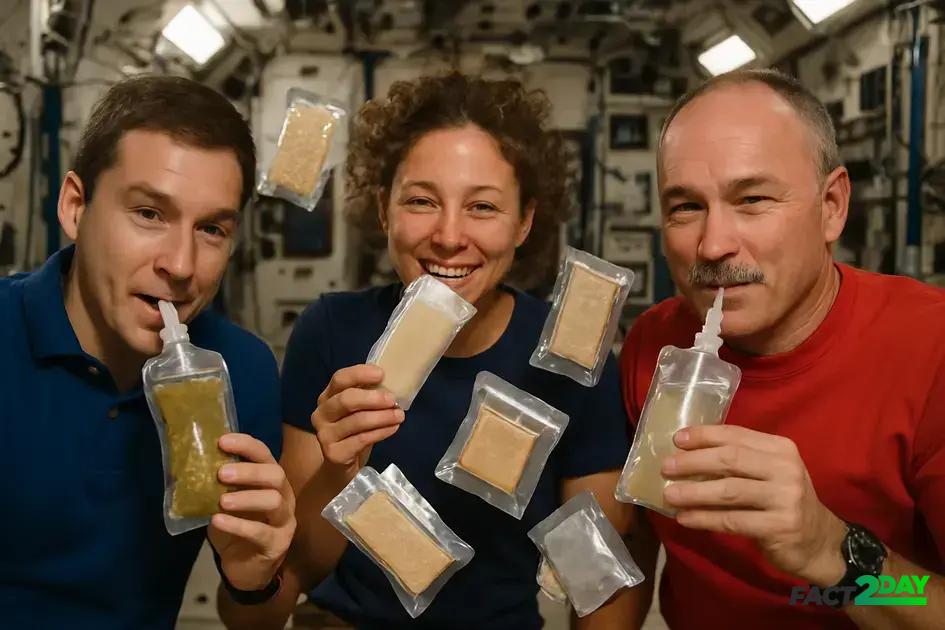
Food in space history shows the progression from basic dehydrated meals to advanced space farming and personalized nutrition, ensuring astronauts receive safe, nutritious, and enjoyable food for increasingly long missions.
Food in space history is a fascinating journey that shows how what astronauts eat has changed over time. Have you ever wondered how food stays fresh and tasty in zero gravity? Let’s explore this evolution together.
early challenges in space food development
During the early days of space exploration, developing suitable food for astronauts was a major challenge. Food had to be safe, lightweight, and stable enough to last for missions lasting days or weeks. Packaging was crucial to prevent crumbs or spills that could interfere with equipment or pose safety risks in zero gravity.
Initial meals often consisted of dehydrated powders and cubes, which astronauts rehydrated with water. These early foods lacked flavor and variety, sometimes making mealtime a less enjoyable experience. Scientists had to balance nutrition, shelf life, and ease of consumption in a microgravity environment.
Another key issue was the psychological impact of food; having familiar tastes and textures was important to maintain morale during long missions. As a result, improvements were continuously sought to make space food more appealing and practical without compromising safety or nutrition.
advancements in astronaut nutrition technology
Over the years, significant advancements in astronaut nutrition technology have transformed space food from basic survival rations to balanced, flavorful meals. Freeze-drying became a key method, preserving nutrients and taste while reducing weight and volume. This method allowed astronauts to enjoy a wider variety of foods, including fruits, vegetables, and even desserts.
Innovations in packaging, like vacuum sealing and multi-layered foil packets, improved shelf life and prevented contamination. Additionally, the development of rehydratable foods made eating in zero gravity easier and safer. Nutritional science also advanced, leading to custom meal plans that meet individual astronaut needs, supporting health and performance during missions.
Enhancing Taste and Texture
Scientists focused on improving the sensory aspects of space food. Techniques to retain natural flavors and better textures helped combat taste fatigue, a common problem in space. The incorporation of spices and sauces added variety and satisfaction, making mealtime more enjoyable.
Future Technologies
Research is ongoing into growing fresh food in space using hydroponics and other methods. These innovations aim to provide astronauts with fresh nutrients and improve psychological well-being on long missions.
future trends shaping food in space missions
Future trends shaping food in space missions focus on sustainability, nutrition, and self-sufficiency. One promising area is space farming, where astronauts could grow fresh fruits and vegetables using hydroponics and other soil-less techniques. These methods promise a continuous supply of fresh, nutrient-rich food during long missions.
Another trend is the use of biotechnology to create lab-grown meat and protein-rich foods that are efficient to produce in space. These innovations aim to reduce reliance on Earth supplies while improving dietary variety and health.
Personalized Nutrition
Advancements in wearable health devices and AI will enable personalized meal planning based on an astronaut’s health needs and mission demands. This customization will help maintain optimal physical and mental performance.
Innovative Packaging and Preservation
Future packaging may incorporate smart materials that track food freshness and maintain ideal conditions automatically. Preservation technologies will continue to evolve, ensuring meals remain safe and tasty for extended durations.
Looking Ahead: The Future of Food in Space
As technology advances, the way astronauts eat in space will continue to improve. Innovations like space farming, lab-grown proteins, and smart packaging promise healthier and more sustainable meals for longer missions.
Personalized nutrition plans will help keep astronauts strong and focused, making space travel safer and more comfortable. These trends bring us closer to exploring farther reaches of the universe with confidence.
The evolution of food in space shows how science and creativity can solve unique challenges. Exploring these developments gives us a glimpse of a future where space missions are nourished by both technology and nature.