The Urban Harvester: A Guide to Responsible Food Foraging in City Environments
Explore Food Foraging Urban Wild to discover safe, sustainable practices for harvesting nature's bounty right in city spaces and green areas.
Imagine a courtroom where the defendant is not a person, but an animal. This strange reality was common in medieval Europe, where animals like pigs or beetles were put on trial for crimes ranging from murder to damaging crops.
These trials were serious legal events, complete with lawyers, witnesses, and even appeals. They reveal a period when animals were seen as moral beings who could be held responsible for their actions.
While this practice may seem bizarre today, it helps us understand how people in the past viewed justice and their connection to the natural world. It shows how ideas of law and morality can change over time and pushes us to think about what it means to be responsible or deserving of rights.
Consider for a moment the intriguing world of Food Foraging Urban Wild, where cities transform into verdant playgrounds full of edible treasures. What if you could gather fresh, wild food responsibly, right in your neighborhood? Let’s embark on this urban harvest journey together.
Understanding urban food foraging and its appeal
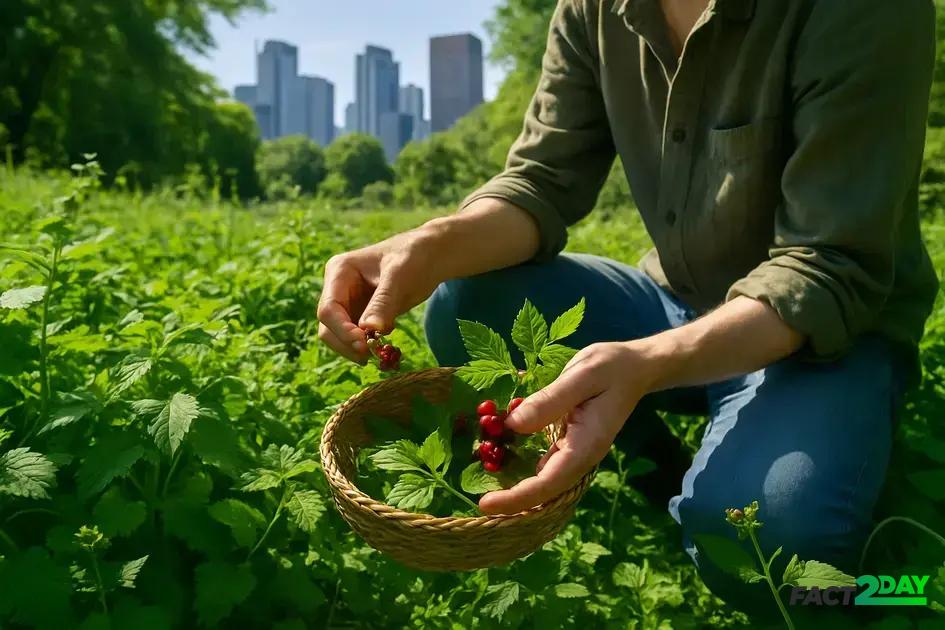
Urban food foraging is the practice of searching for and harvesting edible plants, fruits, and herbs found in city environments. Unlike traditional farming or gardening, foraging taps into the natural abundance present in parks, vacant lots, and even sidewalks. This approach reconnects people with nature while promoting sustainability and reducing food waste.
The appeal of urban foraging lies in its accessibility and the thrill of discovery. It allows city dwellers to engage with their environment actively, learning to identify various edible species like wild berries, dandelions, and nettles. Foraging also encourages a deeper respect for ecosystems, helping individuals understand seasonal changes and biodiversity within urban settings.
Additionally, urban foraging can be a cost-effective way to supplement your diet with fresh, nutrient-rich foods that are free and organic by nature. It offers a chance to enjoy unique flavors unavailable in stores and to create meals with a story that connects you to your surroundings.
Benefits of connecting with nature in a city
Engaging in food foraging encourages mindfulness and outdoor activity, which helps reduce stress and improve mental health. Identifying plants and safely harvesting them also builds valuable skills and confidence. By exploring overlooked green spaces, urban foragers often discover hidden pockets of natural beauty, enhancing their appreciation for the city’s diverse environment.
Identifying edible plants common in city environments
Identifying edible plants in urban environments requires knowledge and careful observation. Many common wild plants thrive in cities, offering a natural source of food if you can recognize them correctly. Start by learning to identify plants like dandelions, plantain, purslane, nettles, and wild garlic, which are often found in parks, along sidewalks, and in vacant lots.
Dandelions are easy to spot with their bright yellow flowers and deeply toothed leaves. Almost all parts of the dandelion are edible, including the leaves, flowers, and roots. They can be eaten raw in salads or cooked.
Plantain is another common plant with broad, oval leaves and small seed stalks. It has a mild flavor and can be used fresh or cooked. Purslane has thick, succulent leaves with a slightly lemony taste, and it’s packed with nutrients.
Nettles require caution but are valuable edible plants once cooked; their stinging hairs disappear after boiling or drying. They are rich in vitamins and minerals and can be made into soups or teas.
Wild garlic grows in shaded areas, releasing a strong garlic aroma. Its leaves and flowers are edible and add a unique flavor to dishes.
Tips for safe identification
Always cross-reference plants with a reliable guide or app before consuming. Look for distinctive features like leaf shape, color, scent, and growth patterns. Avoid any plant if you are unsure, as many toxic plants resemble edible ones. Harvest from areas free of pesticides, pollution, or animal waste to ensure the plants are safe to eat.
Safety tips for foraging in urban areas
Foraging safely in urban areas requires awareness and careful planning. Not all wild plants are safe to eat, and city environments come with unique risks such as pollution, chemical contaminants, and traffic. Always wash your findings thoroughly to remove dirt, pesticides, and pollutants.
Choose foraging spots away from busy roads, industrial zones, or areas that may have been sprayed with herbicides or pesticides. Parks, community gardens, and green belts are often safer options.
Key safety practices
- Learn to identify poisonous look-alikes: Some edible plants have toxic counterparts. Use reputable guides or apps to double-check before consuming.
- Harvest sustainably: Only take what you need, and avoid damaging plant populations or habitats.
- Wear gloves and protective clothing: This helps prevent skin irritations and insect bites.
- Inform someone of your foraging plans: It’s wise in case of emergencies or accidents.
- Start small: When trying a new plant, eat a small amount first to check for allergic reactions or sensitivities.
Being cautious about the source and condition of edible plants can help you enjoy the benefits of urban foraging without risking your health.
Legal considerations and local regulations
Understanding the legal considerations and local regulations is crucial before starting urban foraging. Different cities and municipalities have varying rules about collecting plants on public or private lands. Some areas may allow foraging freely, while others restrict or prohibit it to protect local ecosystems or property rights.
Key legal points to consider
- Know your foraging zones: Public parks, greenways, and private properties often have different rules. Always check with local authorities or park management before harvesting.
- Permits and permissions: Some areas may require permits for harvesting certain plants or for commercial use of foraged goods.
- Protected species: Be aware that some plants are protected by law and cannot be picked or disturbed.
- Respect private property: Never forage on private land without explicit permission from the owner.
Failing to comply with local laws can result in fines or legal action, so it’s important to research and respect these rules. Joining local foraging groups or forums can provide valuable updates on regulations and community guidance.
Ethical foraging: principles to protect nature
Ethical foraging is essential to protect urban ecosystems and ensure wild plants remain available for everyone. Being mindful about where, when, and how you forage helps sustain biodiversity and supports natural habitats. Respect for nature should guide every step of your urban harvesting.
Principles of ethical foraging
- Take only what you need: Avoid overharvesting to allow plants to regenerate and support wildlife.
- Harvest sustainably: Leave parts of the plant intact, such as roots or enough leaves, so the plant can continue growing.
- Protect rare and endangered species: Learn to recognize protected plants and avoid harvesting them.
- Avoid damaging habitats: Stay on trails, and avoid trampling or disturbing wildlife while gathering plants.
- Share knowledge and respect: Educate others about ethical foraging and respect community guidelines and regulations.
Practicing these principles ensures that urban wild spaces remain vibrant and healthy, supporting both people and nature.
Tools and gear for urban foragers
Having the right tools and gear makes urban foraging safer and more efficient. While some plants can be picked by hand, certain equipment helps with harvesting, carrying, and preparing the wild food you collect.
Essential tools for urban foragers
- Foraging bag or basket: A breathable container is ideal for carrying plants without damaging them.
- Gardening gloves: Protect your hands from thorns, dirt, and possible irritants.
- Small scissors or pruning shears: Useful for cutting plants cleanly and avoiding harm to the root system.
- Field guide or plant identification app: Helps ensure safe identification of edible species and avoid toxic look-alikes.
- Knife: Handy for harvesting roots or tough stems.
- Reusable containers or jars: For storing collected items before preparation.
Wearing comfortable clothing and sturdy shoes is important since urban terrain can vary from parks to uneven sidewalks. Carrying water and a small first aid kit is also recommended for safety during your outing.
How to properly harvest and store wild food
Proper harvesting and storage are vital to maintain the quality and safety of wild food. When collecting plants, berries, or herbs, use clean tools like scissors or knives to make precise cuts without damaging the plant’s base or roots.
Harvesting tips
- Pick ripe and healthy plants: Choose mature fruits and leaves free from discoloration or damage.
- Harvest in moderation: Leave enough for the plants to regenerate and for wildlife that depends on them.
- Use clean containers: Carry your harvest in breathable baskets or cloth bags to avoid crushing and moisture buildup.
Storing wild food
Freshly foraged items should be cleaned gently with cool water to remove dirt and insects. Dry them thoroughly before storing. For short-term storage, refrigerate leafy greens and delicate berries in perforated containers to maintain airflow.
Longer storage methods include drying herbs and leaves in a warm, dry place or freezing fruits and edible plants. Proper storage extends shelf life and preserves nutrients, enabling you to enjoy your urban harvest safely over time.
Recognizing poisonous plants and avoiding hazards
Recognizing poisonous plants is crucial for safe urban foraging. Many toxic species can look similar to edible ones, so careful identification is necessary to avoid health risks. Familiarize yourself with common poisonous plants like poison ivy, poison oak, nightshade, and hemlock.
Key characteristics of poisonous plants
- Poison ivy and poison oak: Often have clusters of three shiny leaves and cause skin irritation on contact.
- Nightshade: Has small purple or white flowers and shiny, black berries that are highly toxic.
- Hemlock: Features finely divided leaves and white umbrella-shaped flower clusters; it is extremely poisonous even in small amounts.
Always avoid touching unknown plants and never eat anything unless you are absolutely sure it is safe. Use a plant identification guide or app, and if in doubt, consult with experienced foragers or experts.
Avoiding other urban hazards
Besides poisonous plants, urban environments can harbor chemical pollutants and physical dangers. Avoid foraging near busy roads, industrial sites, and areas where pesticides or herbicides may have been used. Watch for broken glass, sharp objects, and unstable ground surfaces to ensure your safety while exploring.
Seasonal foraging: what to look for throughout the year
Seasonal foraging allows you to find a variety of wild foods throughout the year by understanding what each season offers. Different plants and fruits appear in spring, summer, fall, and winter, so knowing their cycles helps you make the most of urban foraging opportunities.
Spring
In spring, look for fresh wild greens like dandelion leaves, wild garlic, nettles, and chickweed. These early greens provide vital nutrients after winter and can be eaten raw or cooked.
Summer
Summer is the season to forage berries such as blackberries, raspberries, and mulberries. Also, edible flowers like elderflower and wild roses bloom during this time, adding flavor and aroma to your dishes.
Fall
Fall offers nuts, seeds, and fruits like acorns, walnuts, crab apples, and persimmons. Mushrooms also become abundant in many urban woodlands, but proper identification is essential due to poisonous look-alikes.
Winter
Winter foraging can be challenging but rewarding. Evergreen plants like pine needles and cedar offer vitamin C for teas, and some roots such as wild carrots can be harvested before the ground freezes.
Keeping track of seasonal changes and local bloom times allows urban foragers to plan outings effectively and sustainably harvest throughout the year.
The role of urban foraging in sustainable living
Urban foraging plays an important role in sustainable living by connecting people with their local environment and reducing reliance on commercial food systems. Harvesting wild plants in city spaces minimizes food miles and packaging waste, promoting a greener lifestyle.
Environmental benefits
By using naturally growing plants, urban foragers support biodiversity and maintain green spaces. Foraging encourages appreciation and preservation of these areas, helping to prevent overdevelopment and pollution.
Health and community advantages
Gathering wild food introduces fresh, organic nutrients into diets, often richer than store-bought options. It fosters community connections as people share knowledge, trade harvests, and participate in local food networks.
Reducing food waste
Foraging taps into overlooked resources, turning what might be seen as weeds or waste into valuable food. This reduces the overall food waste footprint and promotes mindful consumption.
Incorporating urban foraging into daily life supports ecological balance and personal well-being, making it a practical step toward a sustainable future.
Preparing urban foraged food safely
Preparing urban foraged food safely is crucial to enjoy your harvest without health risks. Always begin by thoroughly washing all plants, fruits, and herbs to remove dirt, insects, and possible pollutants. Use cold water and gently rub the surfaces to clean them effectively.
Steps for safe preparation
- Sort and inspect: Remove damaged or wilted parts, and discard anything questionable.
- Cook or process when needed: Some wild plants like nettles require cooking to remove toxins or irritants. Others, like berries, can be eaten raw after proper washing.
- Avoid cross-contamination: Use clean utensils and cutting boards separate from raw meats or other potential contaminants.
- Store leftovers properly: Refrigerate or freeze excess food to prevent spoilage and maintain freshness.
By following these practices, urban foragers can safely enjoy nutritious, fresh, and flavorful wild foods harvested from city environments.
Building a community around food foraging
Building a community around food foraging strengthens knowledge sharing and fosters sustainable practices. Communities create a space for beginners and experts to connect, share tips, and organize group foraging trips in urban areas.
Ways to build a foraging community
- Join or create local foraging groups: Meetup groups, social media communities, or clubs can unite people interested in urban foraging.
- Host educational workshops: Teach plant identification, safe harvesting, and cooking techniques to promote responsible foraging.
- Organize group foraging outings: These trips provide hands-on experience and help newcomers learn from seasoned foragers.
- Share recipes and harvests: Exchanging food and recipes strengthens bonds and encourages sustainable usage of wild food.
Active communities encourage respect for nature and local regulations, making urban foraging a positive experience for everyone involved.
Embracing urban foraging for a healthier future
Food Foraging Urban Wild offers a unique way to connect with nature while living in the city. By learning to identify edible plants, foraging safely, and respecting local laws and ecosystems, anyone can enjoy fresh, nutritious wild foods.
Urban foraging not only supports sustainable living but also builds community and deepens appreciation for the environment around us. Whether you’re a beginner or experienced forager, practicing responsible harvesting and sharing knowledge can help protect these natural resources for years to come.
Start exploring your local green spaces today and discover the rich bounty hidden in the urban wild.