Ancient Apothecaries: How Ancient Cultures Used Food as Their Primary Medicine
Explore how Food as Medicine Historical practices shaped ancient healing, blending nourishment and natural remedies in timeless traditions.
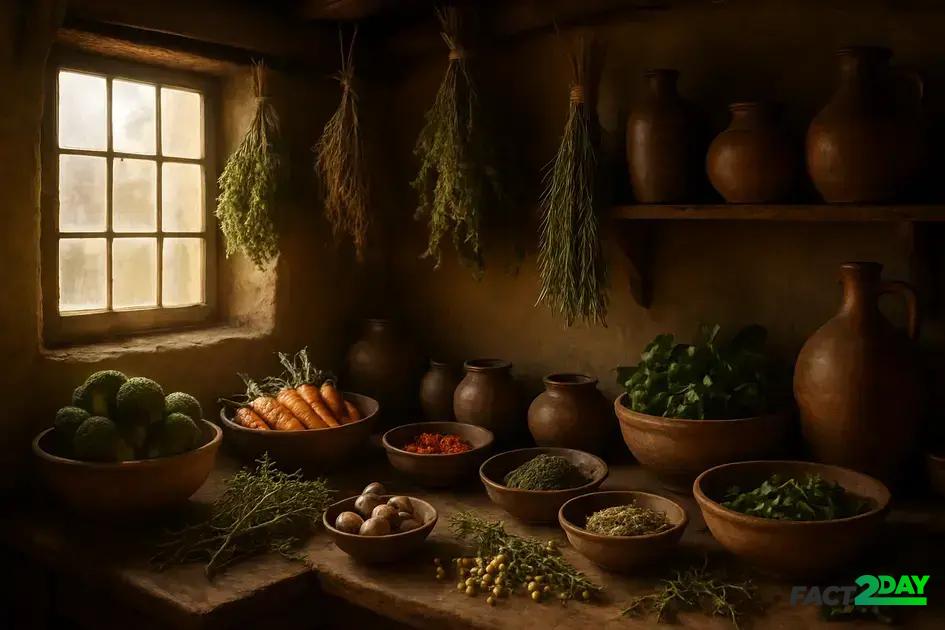
Food as Medicine Historical knowledge reveals how ancient cultures used natural foods and preparation techniques to prevent and treat illnesses, integrating nutrition, spirituality, and healing into daily life.
Have you ever wondered about the power hidden in your daily meals? Food as Medicine Historical traditions reveal how ancient cultures looked to nature’s bounty not just to nourish but to heal. Let’s walk through these age-old pathways where food and medicine were one, touching both body and spirit.
The roots of food as medicine in ancient civilizations
In ancient civilizations, the idea of food as medicine was deeply embedded in daily life. Societies like the Egyptians, Chinese, and Greeks didn’t see food merely as sustenance but as a direct path to health. Their observations of nature guided their understanding, often linking specific foods to healing particular ailments.
Early Evidence and Practices
The Ebers Papyrus, dating back to 1550 BCE in Egypt, contains hundreds of remedies using food items like garlic and honey for their antibacterial properties. Similarly, Traditional Chinese Medicine has documented the use of various fruits, grains, and herbs to balance the body’s energy or “Qi.” Ancient Greek physicians like Hippocrates famously said, “Let food be thy medicine and medicine be thy food,” reinforcing this philosophy.
Connecting Nutrition to Wellness
These ancient cultures recognized that nutrients in food impacted bodily functions and immunity. For example, turmeric in India was used not only as a spice but also for inflammation and infections. Foods rich in vitamins, minerals, and antioxidants were prized for their curative powers.
Integration with Spirituality
Moreover, food’s medicinal value was often intertwined with spiritual beliefs. Consuming certain foods during rituals was thought to purify the body and soul, creating harmony between physical health and spiritual well-being.
Common foods used for healing across different cultures
Across ancient cultures, certain foods consistently appeared as powerful healing agents due to their natural properties. Garlic, known for its antibiotic qualities, was widely used in Egypt, Greece, and China to fight infections and boost immunity. Honey, with its natural antibacterial and soothing effects, served as a common remedy for wounds and digestive issues.
Medicinal Spices and Herbs
Spices like turmeric in India held a crucial role in combating inflammation and promoting healing. In addition, ginger was treasured in both Asian and Middle Eastern traditions for easing nausea and digestive discomfort. Mint, used by the Romans and Greeks, was revered for its calming effects on the stomach and respiratory system.
Healing Grains and Fruits
Ancient diets also featured grains like barley and millet, which were not only staples but also believed to strengthen the body. Fruits such as pomegranates and figs symbolized vitality and were used in remedies to purify blood and improve heart health.
The Role of Fermented Foods
Fermented foods, including kimchi in Korean culture and sourdough bread in Europe, provided probiotics essential for gut health. These foods supported digestion and enhanced the immune system, demonstrating an early understanding of the gut-health connection.
Collectively, these common foods formed a natural pharmacy, blending nutrition with healing to maintain balance and wellness across cultures.
The spiritual and medicinal connection of food
In many ancient cultures, food was more than nutrition; it held deep spiritual significance. People believed that what they ate could affect not only their physical health but also their spiritual well-being. This connection often guided how foods were chosen and prepared for healing purposes.
Food in Rituals and Healing
Foods like rice, figs, and sacred herbs were commonly used in ceremonies to purify the mind and body. Consuming such foods was thought to restore balance and promote harmony between the individual and the universe.
Symbolism and Energy
Many cultures assigned specific energies or spirits to different foods. For example, in Traditional Chinese Medicine, foods are categorized by their warming or cooling properties to balance the body’s yin and yang. This belief shaped diets to support both physical and emotional health.
The Role of Fasting and Dietary Restrictions
Fasting or abstaining from certain foods was used to cleanse the body and mind, preparing individuals for healing or spiritual growth. Such practices highlighted the idea that food could influence one’s inner state and life force.
Through these intertwined spiritual and medicinal views, ancient cultures embraced a holistic approach, recognizing food as a powerful tool for healing on multiple levels.
Techniques ancient healers used to prepare medicinal foods
Ancient healers used a variety of techniques to prepare medicinal foods that preserved their healing properties. These methods included drying, fermenting, boiling, and infusing, each chosen to enhance the food’s benefits and ensure safety.
Drying and Preserving
Drying herbs and fruits was a common practice to extend shelf life and concentrate their medicinal value. This method allowed healers to store important remedies for use throughout the year.
Fermentation
Fermentation was valued not only for preservation but also for boosting the nutritional and probiotic content of foods. Ancient cultures like the Koreans and Romans used fermented vegetables, yogurts, and grains as healing foods to support digestion and immunity.
Boiling and Infusing
Boiling foods or herbs into broths and teas was a popular way to extract active compounds gently. Infusions allowed for combining multiple ingredients, such as roots, leaves, and spices, to create effective medicinal blends.
Spicing and Blending
Adding spices like ginger, cinnamon, or turmeric not only improved flavor but also enhanced the food’s therapeutic effects. Blending ingredients carefully was an art form, rooted in years of observation and tradition.
Through these careful preparation methods, ancient healers maximized the healing potential of food, turning everyday ingredients into powerful medicine.
Lessons modern wellness can learn from ancient dietary practices
Modern wellness can gain valuable insights from ancient dietary practices that emphasized natural, whole foods and holistic health. These traditions often focused on balance, nutrition, and the body’s natural rhythms rather than quick fixes.
Embracing Whole, Unprocessed Foods
Ancient diets prioritized fresh fruits, vegetables, grains, and herbs, which provided essential nutrients and promoted long-term health. Modern wellness can benefit from this approach by reducing processed foods and additives.
Balancing Food Energies
Traditional systems like Chinese Medicine teach us about balancing heating and cooling foods to maintain overall harmony. Incorporating this concept can help individuals better respond to their unique needs and environments.
Mindful Eating and Connection
Ancient cultures valued the ritual of eating mindfully and recognizing food’s role beyond sustenance. This awareness supports digestion, mental health, and a deeper appreciation for nourishment.
Use of Functional Foods and Herbs
Including foods with medicinal properties, such as turmeric, ginger, and garlic, aligns with the ancient practice of food as medicine. These ingredients support immunity and reduce inflammation naturally.
By respecting these time-tested principles, modern wellness can foster sustainable health habits rooted in nature and tradition.
Preserving ancient food medicine knowledge for future generations
Preserving ancient food medicine knowledge is vital for maintaining cultural heritage and discovering natural healing methods. Oral traditions have long played a role in passing down recipes, remedies, and growing techniques from generation to generation.
Documentation and Research
Modern efforts include recording traditional knowledge through books, interviews, and digital media. This work helps protect valuable information from being lost and provides a resource for education and research.
Community Involvement
Empowering indigenous and local communities to share and practice their ancestral food medicine fosters respect and continuity. Festivals, workshops, and cultural programs celebrate these traditions and encourage younger generations to learn.
Integrating with Modern Science
Collaborations between traditional healers and scientists help validate and understand the effectiveness of ancient remedies. This integration can lead to safer, evidence-based use of food medicines in contemporary healthcare.
Gardening and Sustainable Practices
Growing medicinal plants and heirloom food varieties preserves biodiversity and keeps ancient knowledge alive in practice. Sustainable agriculture ensures these plants remain available for future generations.
Through conscious preservation, ancient food medicine continues to inspire and benefit health worldwide.
Embracing the wisdom of ancient food medicine
Ancient cultures offer valuable lessons on how food can support healing and balance in our lives. Their deep respect for natural ingredients and thoughtful preparation techniques remind us to appreciate the power of simple, whole foods.
By preserving and integrating these traditions today, we can enrich modern wellness practices and promote sustainable health. Exploring food as medicine opens a path to nourishing both body and spirit in a natural, meaningful way.
Ultimately, honoring this ancient knowledge can inspire healthier habits and deeper connections to the food we eat every day.