The Original Pharmacy: How Ancient Cultures Used Food as Their Primary Medicine
Food as medicine reveals how ancient societies turned to nature for healing, blending nourishment and wellness in daily life.
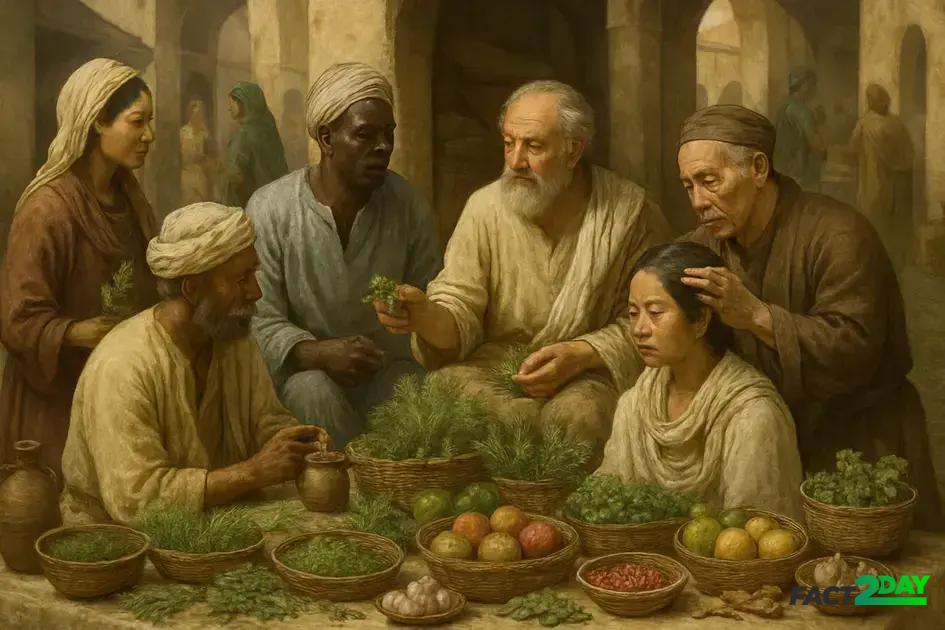
Food as medicine refers to ancient practices where natural foods and herbs were used intentionally to prevent, treat, and heal illnesses, forming the foundation of many modern wellness approaches.
Have you ever wondered about the way our ancestors used food as medicine? They didn’t rely on modern pills but found healing power in nature’s bounty. Let’s explore how these age-old traditions still resonate today.
The role of food in ancient healing traditions
Ancient cultures often viewed food as a powerful tool for healing, not just nourishment. They believed that certain foods contained natural properties that could balance the body’s energies and improve health. For example, Traditional Chinese Medicine uses foods like ginger and garlic to stimulate circulation and fight illness. In Ayurveda, the ancient Indian system of medicine, specific spices and herbs such as turmeric and cumin help cleanse and strengthen the body.
These traditions emphasized harmony between diet and health, prescribing particular foods to treat symptoms and prevent disease. The foods chosen were often accessible, natural, and seasonal, making healing part of everyday life. This connection between food and wellbeing shaped diets that were tailored to individual needs, climates, and body types.
Integrating food and healing in different cultures
In many indigenous societies, food was intertwined with spiritual practices. Sacred plants and fermented foods played roles in detoxification and boosting immunity. The Greeks, for instance, promoted the idea that diet was central to medicine, with Hippocrates famously stating, “Let food be thy medicine, and medicine be thy food.” This idea has endured through centuries as a foundation of holistic health.
By understanding the role of food in ancient healing traditions, we gain valuable insights into how nutrition can support modern health in natural, effective ways.
Common natural remedies used across cultures
Across various cultures, natural remedies have long been used to treat common ailments using food and plants. For example, honey is valued worldwide for its antibacterial properties and is often applied to wounds or sore throats. Ginger is widely recognized for relieving nausea and digestive issues, frequently used in teas or cooking.
Herbs such as peppermint and chamomile are known for their calming effects, helping to ease stress and promote sleep. In South America, maca root is prized for boosting energy and stamina, while garlic is commonly used globally to support heart health and the immune system.
Medicinal uses of spices and plants
Turmeric contains curcumin, an anti-inflammatory compound, and is a staple in Indian medicine for joint and skin health. Aloe vera gel is applied to soothe burns and skin irritations across many cultures. Additionally, fermented foods like kimchi in Korea and sauerkraut in Europe aid digestion due to their probiotic content.
These remedies share a common thread: they harness the natural benefits of food and plants to encourage healing, often with fewer side effects than synthetic drugs.
How ancient practices inspire modern wellness
Many modern wellness trends draw inspiration from ancient health practices that used food as a primary source of healing. For instance, the emphasis on plant-based diets and whole foods reflects the dietary habits of ancient civilizations, which relied heavily on natural ingredients to maintain health.
Techniques like fasting, herbal teas, and fermented foods have regained popularity due to their roots in traditional medicine. Ancient wisdom teaches us the value of balance and prevention rather than merely treating symptoms, which aligns with today’s holistic health approaches.
Revival of traditional healing in contemporary health
Practices such as Ayurveda and Traditional Chinese Medicine are influencing modern wellness through the use of customized diets and natural supplements. The rising interest in superfoods like turmeric, chia seeds, and matcha can also be linked back to ancient dietary customs that prioritized nutrient-rich plants.
These connections highlight how ancient knowledge continues to shape the way we approach nutrition and healing in the present day, promoting a more natural and mindful lifestyle.
The lasting impact of using food as medicine
Ancient cultures teach us the deep connection between food and health, showing that natural ingredients can support healing and wellness effectively. By embracing these time-tested practices, we can improve our well-being in simple, natural ways.
Modern wellness continues to be shaped by this rich history, reminding us that prevention and balance through diet are key to lasting health. Exploring and honoring these traditions offers practical tools for living a healthier, more mindful life every day.