What Dinosaurs Ate: Uncovering the Ancient Diets of Prehistoric Creatures and Early Humans
Food archaeology reveals the diets of dinosaurs and early humans, offering fascinating insights into ancient ecosystems and survival strategies.
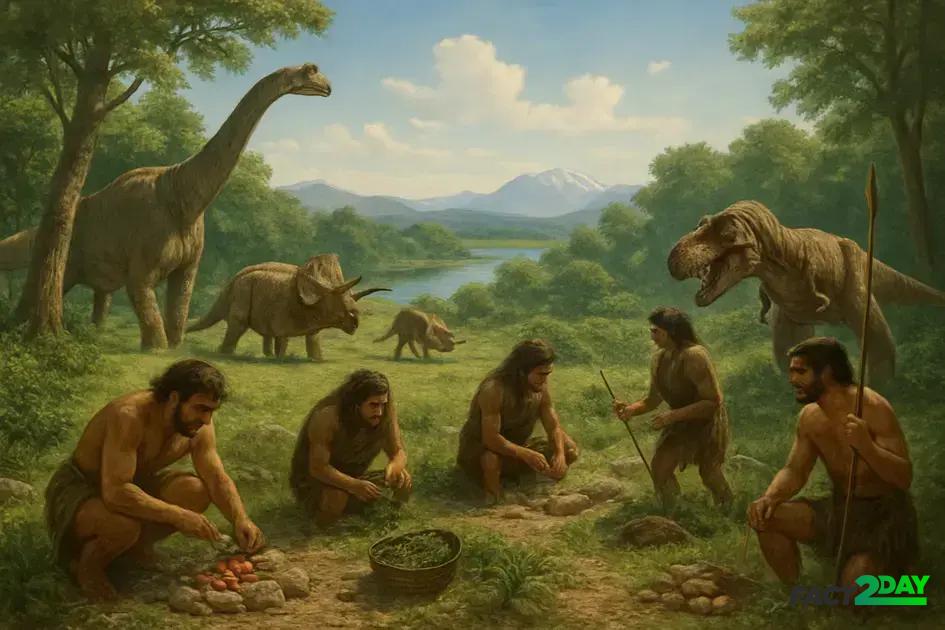
Food archaeology studies the diets of dinosaurs and early humans through fossil evidence, chemical analysis, and ancient residues, revealing how prehistoric creatures and humans adapted their eating habits and shaped ecosystems over time.
Have you ever wondered what creatures as mighty as dinosaurs actually ate? Exploring Food Archaeology opens a window into ancient diets, blending science with discovery to unveil how prehistoric creatures and early humans nourished themselves.
The origins of food archaeology and its significance
Food archaeology, also known as archaeozoology and archaeobotany when focusing on animals and plants respectively, studies ancient dietary practices through physical evidence. This field helps us understand how prehistoric creatures and early humans gathered, processed, and consumed food. From fossil remains to chemical traces in bones and pottery, food archaeology reveals crucial links between diet and survival across different time periods.
Early Discoveries and Methods
Researchers began analyzing food remains found in archaeological sites centuries ago, initially focusing on bones and seeds to identify species consumed. Today, cutting-edge techniques like stable isotope analysis and DNA testing allow more precise reconstructions of ancient diets. These tools illuminate how environmental changes influenced what people and animals ate.
Why Food Archaeology Matters
Understanding ancient diets helps explain shifts in human evolution, migration, and cultural development. For example, examining prehistoric diets can indicate when agriculture first emerged or how diets adapted during climate shifts. It also provides insights into the health and social organization of early communities.
Food archaeology bridges biology, anthropology, and history, offering a deeply informed picture of life long before written records. By unraveling what our ancestors ate, we learn more about ecosystems, survival strategies, and the foundation of modern culinary traditions.
Tracing dinosaur diets through fossil evidence
Tracing dinosaur diets relies heavily on fossil evidence, which offers crucial clues about what these prehistoric creatures ate. Scientists analyze teeth, jaw structures, and fossilized stomach contents to classify dinosaurs as herbivores, carnivores, or omnivores. For example, sharp, serrated teeth indicate a meat-based diet, while flat, grinding teeth suggest plant consumption.
Fossilized Stomach Contents and Coprolites
One direct way to understand dinosaur diets is through stomach contents preserved in fossils. Although rare, this evidence reveals specific plants or animals they consumed. Additionally, coprolites, or fossilized droppings, provide valuable insight into digestion and dietary components, including bones, plants, and even parasites.
Wear Patterns and Tooth Microwear Analysis
Examining wear patterns on dinosaur teeth helps determine their feeding habits. Microwear analysis studies tiny scratches and pits caused by different types of food. Carnivores typically have scratches from tearing flesh, while herbivores show pits from grinding tough plant material. This detailed approach enhances our understanding of dietary diversity across species.
These fossil clues together build a detailed picture of dinosaur feeding behaviors, revealing their role in ancient ecosystems and food chains.
Comparing herbivorous and carnivorous prehistoric diets
Prehistoric diets varied greatly between herbivorous and carnivorous creatures, and understanding these differences gives us insight into ancient ecosystems. Herbivores mainly fed on plants, leaves, and fruits, using specialized teeth to grind tough vegetation. Their diets often included ferns, cycads, and early flowering plants. In contrast, carnivores had sharp teeth built for tearing meat and strong jaws to catch prey.
Adaptations for Plant Eaters
Herbivorous dinosaurs, like the Triceratops, developed flat, broad teeth perfect for chewing plants. Many had complex digestive systems to break down cellulose and extract nutrients. These animals were essential for maintaining plant populations and supporting food chains.
Traits of Meat Eaters
Carnivorous species, such as the Tyrannosaurus rex, had pointed teeth and powerful bites to hunt and consume other animals. Their teeth often showed wear from biting bone, indicating a diet rich in protein. These predators played a key role in controlling herbivore populations.
Both types of diets highlight different survival strategies and ecological roles, shaping the prehistoric world in distinct ways.
How early humans adapted their eating habits
Early humans adapted their eating habits based on available resources and environmental changes. As hunters and gatherers, they relied on diverse food sources including plants, fruits, nuts, and wild animals. This adaptability helped humans survive in different climates and landscapes.
Developing Tools for Hunting and Gathering
Innovations like stone tools allowed early humans to hunt larger animals and process tough plants. Spears and cutting tools increased food variety and efficiency. This adaptability was crucial for expanding their diet.
Fire and Cooking
Mastering fire marked a major shift in diet. Cooking made food easier to digest and safer by killing bacteria. It also unlocked more nutrients from meat and plants, supporting brain development and energy needs.
Shifts to Agriculture
Over time, humans began cultivating crops and domesticating animals, leading to stable food supplies and changes in eating habits. Agriculture supported larger populations and new social structures.
These dietary adaptations reflect human resilience and innovation throughout prehistoric times.
Techniques used to analyze ancient food remnants
Analyzing ancient food remnants requires a variety of scientific techniques that reveal detailed information about past diets. These methods include microscopic analysis, chemical testing, and DNA extraction from food residues found on artifacts, pottery, and fossilized remains.
Microscopic Analysis
By examining thin slices of food residues under microscopes, scientists can identify plant cells, pollen, and starch grains. This helps pinpoint specific foods consumed thousands of years ago.
Chemical and Isotope Testing
Stable isotope analysis measures carbon, nitrogen, and oxygen isotopes in bones and teeth, offering clues about what kinds of plants and animals made up ancient diets. Chemical tests can detect fats, proteins, and other compounds preserved in pottery and tools.
DNA Extraction
Advanced techniques allow researchers to extract and analyze ancient DNA from food remains and dental calculus. This provides species-level identification of consumed plants and animals, deepening our understanding of dietary diversity.
These approaches collectively enable a detailed reconstruction of prehistoric eating habits, revealing not only what was eaten but how food was prepared and shared.
The role of plants in prehistoric diets
Plants played a fundamental role in prehistoric diets, serving as a primary food source for many herbivores and early humans. Ancient plants such as ferns, cycads, and conifers were common, along with early flowering plants that provided fruits, seeds, and roots.
Nutrition and Variety
For early humans, plants offered essential vitamins, minerals, and fiber. Wild fruits and nuts were valuable for energy, while roots and tubers provided carbohydrates. Many prehistoric communities relied heavily on gathering plant foods depending on season and availability.
Adaptations in Consumption
Tool use helped early humans process plants more efficiently by grinding seeds or extracting tubers. Cooking also made some plants easier to eat and digest, expanding dietary options.
Plants shaped the diet of prehistoric life not only as nourishment but also as a foundation for developing agriculture and culinary traditions that persist today.
Discoveries of prehistoric cooking and food preparation
Evidence shows that prehistoric humans developed diverse cooking and food preparation techniques to improve nutrition and safety. Cooking food made it easier to digest and unlocked more nutrients, playing a key role in human evolution. Fire use allowed roasting, boiling, and smoking, which preserved food and enhanced flavor.
Tools and Techniques
Stone tools were used for cutting, grinding, and processing food. Early people ground seeds into flour and mashed tubers. Pits and hearths served as early ovens or boiling spots, showing experimentation with different cooking methods.
Social and Cultural Impact
Cooking likely encouraged social gatherings and sharing, strengthening community bonds. Prepared food also reduced the risk of illness from pathogens, impacting survival rates positively. These discoveries highlight how food preparation was as important as the food itself in prehistoric life.
The impact of ancient diets on modern understanding
Ancient diets provide valuable insights that shape our modern understanding of nutrition, evolution, and health. By studying prehistoric eating habits, scientists connect dietary changes to human development, disease patterns, and cultural shifts.
Evolutionary Influence
Changes in diet, such as the introduction of cooked food and agriculture, influenced human biology, including brain size and digestive adaptations. These shifts highlight how food shaped our species over millennia.
Lessons for Modern Nutrition
Research on ancient diets informs current dietary recommendations, emphasizing whole foods, diverse nutrients, and balanced intake. Understanding the variety and quality of prehistoric diets helps explain the benefits of plant-based foods and lean proteins.
Cultural and Environmental Awareness
Studying ancient food systems offers perspective on sustainable living and environmental impact. It reminds us how humans adapted to ecosystems and how food choices affect health and environment today.
This knowledge bridges past and present, enriching both science and lifestyle practices.
Understanding the Past to Inform Our Future
Exploring ancient diets through food archaeology reveals how prehistoric creatures and early humans survived and adapted. These discoveries deepen our knowledge of evolution, nutrition, and culture.
Learning from the diets of the past helps us make better choices today, appreciating the balance of natural foods and the importance of sustainable living.
By connecting history with modern science, we gain valuable insights that can improve health and well-being for generations to come.