Your Brain on Food: How What You Eat Directly Influences Your Mood and Cognition
Discover how food and mood connection influences your brain chemistry and emotional well-being, shaping cognition and daily feelings.
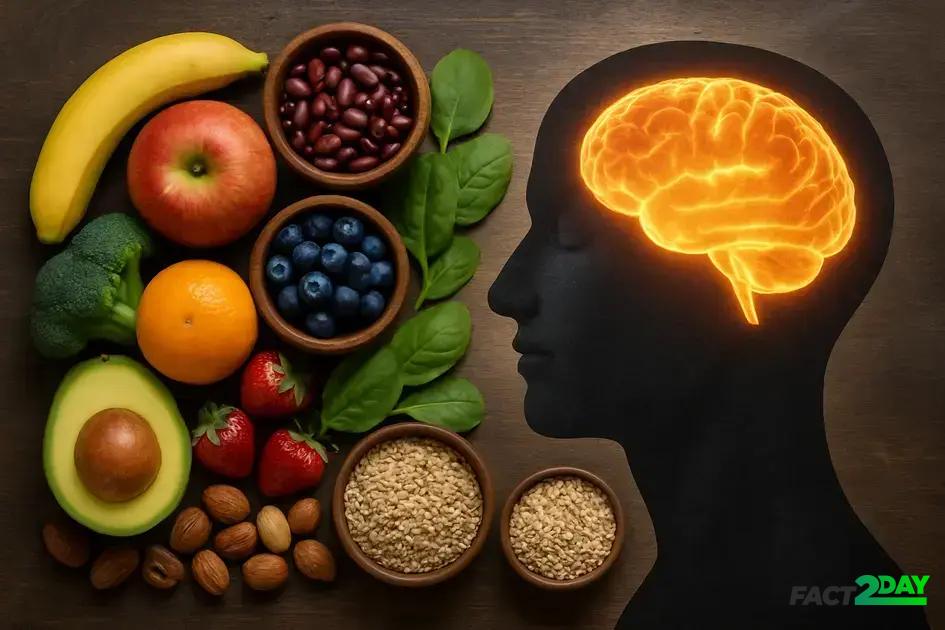
Food and mood connection refers to how nutrients and dietary choices directly influence brain chemistry, affecting mood stability, cognitive function, and emotional balance.
Have you ever wondered about the food and mood connection? The meals you enjoy daily may be quietly steering your emotions and mental clarity. Let’s explore how what we eat might influence the way we feel and think.
how food affects brain chemistry and mood
Food plays a crucial role in determining brain chemistry and mood. What we eat directly affects neurotransmitters, the chemicals that transmit signals in our brain. For example, carbohydrates increase the production of serotonin, a neurotransmitter that helps regulate mood and feelings of happiness. Protein-rich foods provide amino acids like tryptophan, which the brain converts into serotonin and melatonin, influencing sleep and emotional balance.
Additionally, certain vitamins and minerals are vital for brain function. Omega-3 fatty acids, found in fish and flaxseeds, support cognitive function and reduce inflammation that can impair mood. Deficiencies in B vitamins, especially B6, B12, and folate, have been linked to depression and anxiety.
Unhealthy foods, such as those high in sugar and processed fats, can disrupt brain functions and negatively impact mood. These foods may cause inflammation and oxidative stress, which interfere with neurotransmitters and brain signaling. This can lead to feelings of irritability, fatigue, and mood swings.
Overall, a balanced diet rich in whole foods, fruits, vegetables, healthy fats, and lean proteins promotes healthy brain chemistry. This contributes to more stable moods, better emotional resilience, and sharper cognitive abilities.
nutrients that support cognitive function and emotional balance
Certain nutrients play a vital role in supporting cognitive function and maintaining emotional balance. Omega-3 fatty acids, commonly found in fatty fish like salmon, are essential for brain cell structure and communication. They help improve memory, learning, and mood regulation by reducing inflammation in the brain.
B vitamins, including B6, B12, and folate, are crucial for healthy brain function. These vitamins contribute to the production of neurotransmitters such as serotonin and dopamine, which are responsible for mood stabilization and mental alertness. Lack of these vitamins can lead to cognitive decline and emotional disturbances.
Antioxidants, like vitamins C and E, protect brain cells from damage caused by free radicals. Foods rich in these antioxidants, such as berries, nuts, and leafy greens, support overall brain health and may reduce the risk of cognitive diseases.
Minerals such as magnesium and zinc are also important for brain health. Magnesium helps regulate neurotransmitter release, influencing learning and mood, while zinc supports memory and brain signaling.
Including a variety of these nutrients in your diet supports emotional balance and sharpens cognitive abilities, helping you feel more focused and emotionally stable throughout the day.
practical tips to improve mood through diet
Improving your mood through diet is achievable by making mindful food choices that support brain health. Start by increasing intake of whole foods like fruits, vegetables, nuts, and whole grains. These foods provide essential nutrients and fiber that help regulate blood sugar and support stable energy levels throughout the day.
Include foods rich in omega-3 fatty acids such as salmon, walnuts, and flaxseeds. Omega-3s help reduce inflammation and improve neurotransmitter function, which can boost mood and cognitive clarity.
Avoid excessive consumption of sugary and processed foods, as they can cause rapid blood sugar swings and promote inflammation. This can lead to feelings of irritability, anxiety, and fatigue.
Stay hydrated by drinking plenty of water. Dehydration can negatively impact mood and concentration, so keep a water bottle handy throughout the day.
Consider maintaining regular meal times to prevent mood dips caused by low blood sugar. Snacking on nutrient-dense foods like yogurt, nuts, or fruit can help sustain energy levels and mood balance.
Finally, limit caffeine and alcohol intake. While caffeine can temporarily boost alertness, too much may increase anxiety. Alcohol can disrupt sleep and mood regulation, so moderation is key.
Taking charge of your mood through diet
Making thoughtful food choices can have a meaningful impact on your mood and mental health. By focusing on whole, nutrient-rich foods and avoiding processed sugars, you support your brain’s natural chemistry and emotional balance.
Simple changes, like adding omega-3 rich foods, staying hydrated, and keeping regular meal times, can help maintain a positive mood throughout the day. Remember, small steps in your diet can lead to big improvements in how you feel and think.
Taking care of your body through balanced nutrition not only boosts mood but also sharpens your mind, helping you live a happier, healthier life.