Forests That Need Fire to Rebirth Themselves
Fire-adapted forests thrive with nature’s cleansing flames, shaping ecosystems that depend on fire to renew life and balance.
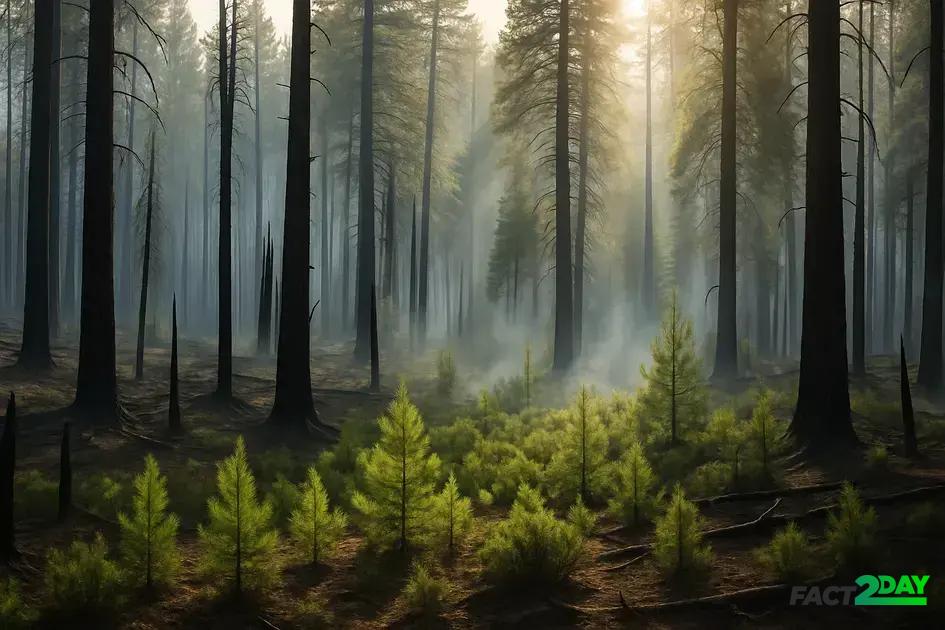
Fire-adapted forests are ecosystems that depend on regular, low-intensity fires to clear dead vegetation, recycle nutrients, and support regeneration through specialized plant and animal adaptations.
Have you ever wondered why some forests seem to need fire to thrive? Fire-adapted forests depend on fire’s gentle touch to renew themselves, maintaining a delicate balance shaped over centuries. Let’s explore this fascinating natural rhythm together.
understanding fire-adapted forests
Fire-adapted forests are unique ecosystems that have evolved to survive and even thrive after periodic fires. These forests have specific plants and trees with adaptations that help them resist damage from fire or regenerate quickly afterward.
Many species have thick bark that protects them from heat, while others have seeds that only germinate after exposure to fire. This natural cycle helps clear dead plants, recycle nutrients, and open space for new growth, maintaining a balanced and healthy habitat.
Key Characteristics of Fire-Adapted Forests
- Resilient vegetation: Plants with fire-resistant bark or rapid regrowth ability.
- Seed adaptations: Some seeds need heat or smoke to sprout.
- Flammable undergrowth: Certain plants encourage low-intensity fires that clear the forest floor.
These features allow fire-adapted forests to recover faster than other ecosystems, supporting diverse wildlife and ensuring long-term survival despite regular fire disturbances.
how fire shapes forest ecosystems
Fire plays a crucial role in shaping forest ecosystems by controlling vegetation, recycling nutrients, and creating diverse habitats. When a fire passes through, it removes dense undergrowth and dead materials, allowing sunlight to reach the forest floor. This process encourages new plants to grow and helps maintain a healthy balance between species.
Fire’s Influence on Soil and Nutrients
Burning organic matter during a fire releases essential nutrients like nitrogen and phosphorus back into the soil. This nutrient boost supports the growth of young plants and trees, fostering a vibrant ecosystem.
Creating Diverse Habitats
Different species respond uniquely to fire, which creates a patchwork of environments within the forest. Some areas may have recently burned ground encouraging grasses and wildflowers, while others may retain mature trees. This variety supports a wide range of wildlife.
Fire also helps control pests and diseases by destroying harmful insects and fungi that can damage trees. In this way, fire maintains the overall health and resilience of the forest.
plant adaptations to survive fire
Plants in fire-adapted forests have evolved remarkable traits to survive and even benefit from wildfires. Many trees and shrubs develop thick, insulating bark that shields vital tissues from intense heat. This adaptation helps mature trees endure fires that would otherwise kill them.
Seed adaptations
Some plants produce serotinous cones or seed pods that open only when exposed to the heat of fire. This ensures seeds are released into a nutrient-rich, open area free from competition, improving chances of germination.
Other species have seeds that require chemicals found in smoke or the process of heat treatment to break dormancy. These seeds lie dormant until a fire triggers their growth, encouraging forest renewal.
Regrowth strategies
Certain plants can rapidly sprout new shoots from their root systems or trunks after a fire. This ability allows them to recover quickly and dominate the landscape following a burn. Fire-stimulated growth combined with seed regeneration contributes to the resilience and diversity of fire-adapted forests.
wildlife responses to fire events
Wildlife in fire-adapted forests has evolved behaviors and strategies to cope with periodic fires. Many animals can sense changes in smoke or heat and move to safer areas before the fire arrives. Some species take refuge underground or in burrows, which protect them from the flames.
Opportunities after fire
After a fire, the landscape changes dramatically, creating fresh food sources and new habitats. Herbivores often benefit from the new growth of plants and grasses that emerge quickly, attracting predators and increasing biodiversity.
Birds and insects may find fresh nesting areas or abundant food in the form of insects attracted to the burned wood. The patchy nature of fire means that some areas remain untouched, providing shelters and helping species to recolonize.
Fire as a natural cycle
While fire can be dangerous in the short term, it is an important part of the life cycle for many forest species. It helps maintain healthy populations by clearing old vegetation and encouraging diversity. Understanding how wildlife responds to fire shows us the resilience of nature and the importance of fire in these ecosystems.
the role of controlled burns
Controlled burns, also called prescribed fires, are carefully planned fires set by forest managers to mimic natural fire cycles. These burns reduce excess vegetation, which helps prevent large, uncontrollable wildfires by removing fuel from the forest floor.
Benefits of controlled burns
Controlled burns stimulate new growth by clearing dead plants and returning nutrients to the soil. They also help maintain the health of fire-adapted forests by preserving species that depend on fire for reproduction and growth.
These burns create a mosaic of different habitats, which supports a wide range of wildlife by increasing biodiversity.
How controlled burns are conducted
Before a controlled burn, experts assess weather, moisture, and wind conditions to ensure the fire can be safely contained. Firefighters monitor the burn carefully, controlling its intensity and spread to protect nearby areas.
Although controlled burns may seem risky, they are an essential tool in forest management that helps balance ecosystem health and reduce the chance of severe wildfires.
challenges and future perspectives
Managing fire-adapted forests faces several challenges today. Increased human development near forests raises the risk of uncontrolled wildfires that threaten communities. Climate change also affects fire patterns, making fires more frequent and intense in some areas.
Human impact and fire suppression
For many years, fire suppression policies prevented natural fires, which led to the buildup of thick underbrush. This accumulated fuel increases the chance of severe fires that are harder to control and more damaging to ecosystems.
Changing fire regimes and climate
Warmer temperatures and drought conditions linked to climate change alter the natural fire cycle. This can disrupt the balance of fire-adapted forests and stress plants and animals that rely on regular fire intervals.
Future perspectives
Improved forest management strategies include expanding controlled burns and restoring natural fire cycles to maintain healthy ecosystems. Advances in technology help monitor fire risks and support rapid response efforts. Public awareness and cooperation are also vital to protect these forests and nearby communities.
Understanding the Vital Role of Fire in Forests
Fire-adapted forests rely on natural fire cycles to remain healthy and balanced. Fires help clear dead plants, recycle nutrients, and create space for new growth. This process supports diverse plant and animal life that depends on fire for survival.
While challenges like climate change and human impact affect these ecosystems, proper management through controlled burns and monitoring can protect both forests and communities. Recognizing the importance of fire helps us appreciate the natural processes that keep these forests strong and thriving.
Embracing the role of fire means supporting conservation efforts that allow forests to renew themselves and continue providing vital benefits for generations to come.