Invisible to the Eye: Nature’s Most Evolved and Surprising Camouflage Strategies
Fenômenos de camuflagem extrema revelam como a natureza cria invisibilidade com estratégias surpreendentes e evoluídas para sobreviver.
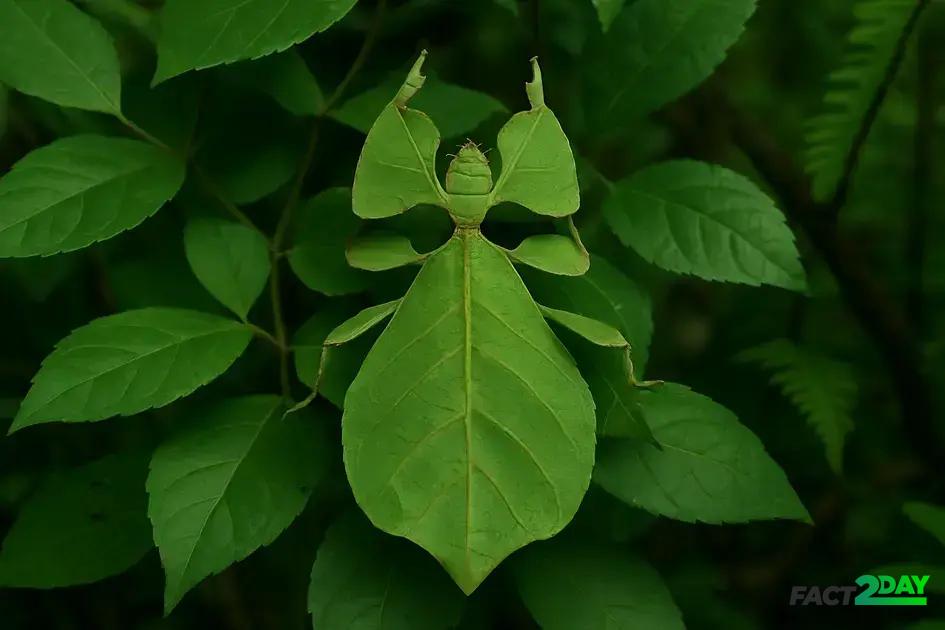
Extreme camouflage phenomena refer to advanced strategies used by animals and plants to blend seamlessly into their surroundings, including color changes, disruptive patterns, object mimicry, and behavioral adaptations to avoid predators or capture prey.
Extreme camouflage phenomena may seem like magic tricks, but they are true lessons from nature for survival. Have you ever noticed how some creatures become invisible to the naked eye? Let’s explore these fascinating secrets together.
How extreme camouflage works in nature
Extreme camouflage in nature works through various fascinating adaptations that help animals and plants blend seamlessly into their surroundings. This ability often means the difference between life and death, helping them avoid predators or ambush prey.
Coloration is one of the most common camouflage strategies. Many species can adjust their skin or fur color to match the environment, like the chameleon changing shades of green and brown in the forest.
Another technique is disruptive patterns, where bold spots, stripes, or patches break up the outline of an animal’s body, making it harder to detect. For example, the zebra’s stripes can confuse predators by blending with tall grass and creating optical illusions.
Some animals use mimicry to imitate objects in their environment, such as sticks, leaves, or even rocks. The leaf insect is a prime example, with body shapes and colors so detailed that it can rest on foliage without being noticed.
Additionally, some creatures employ behavioral camouflage by staying still or moving slowly to avoid drawing attention. Combining physical features and behavior creates a powerful natural invisibility.
Overall, these mechanisms show how extreme camouflage is a complex and dynamic process, shaped by evolution to optimize survival.
unique camouflage strategies among animals and plants
Many animals and plants have developed unique camouflage strategies that go beyond simple color matching. Some can even change texture, shape, or light reflection to disappear into their environment.
Active color change is a powerful tactic seen in cephalopods like octopuses and cuttlefish. They can quickly alter their skin patterns and colors to blend into rocks, coral, or sandy seabeds, confusing predators and prey alike.
Plants, although stationary, use camouflage cleverly to avoid herbivores. The stone plant mimics the appearance of surrounding rocks to avoid being eaten, while some orchids imitate the colors and shapes of dangerous insects to deter predators.
Mimicking movement is another remarkable strategy. Certain insects, such as stick insects, sway gently to mimic leaves moving in the wind. This subtle action helps them stay unnoticed even when in motion.
Some animals exploit light and shadow to blend in. The glass frog, with its translucent skin, allows light to pass through, making it challenging to distinguish from leaves and branches. This effect provides a form of invisibility in its rainforest habitat.
These advanced and diverse camouflage techniques show how evolution has shaped organisms to survive by fooling the eyes of others in clever and unexpected ways.
learning from nature: practical applications of camouflage
Nature’s extreme camouflage offers more than just survival tricks—it inspires technology and design in many fields. By studying these natural strategies, humans have developed practical applications that improve our daily lives.
Military and Tactical Uses
The military adopts camouflage patterns and materials to help soldiers blend into diverse environments, inspired by animal coats and skins. Adaptive clothing that changes color or texture, mimicking creatures like octopuses, is being developed to increase stealth and protection.
Architecture and Design
Architects use camouflage principles to integrate buildings into natural landscapes. This reduces visual impact and protects wildlife habitats. Some designs feature materials that reflect surroundings or shift appearance with light, similar to the way certain animals adjust their colors.
Technology and Materials Science
Researchers create adaptive materials that change color or transparency based on the environment, inspired by creatures like the leaf insect and glass frog. These materials have potential in fashion, automotive industries, and even energy-efficient coatings that regulate temperature by reflecting or absorbing sunlight.
By learning from nature’s extreme camouflage, innovation continues to evolve, showing how biology can directly influence technology and creativity in unexpected ways.
Understanding and applying nature’s camouflage
The amazing strategies behind extreme camouflage teach us a lot about survival and adaptation. By observing these natural wonders, we gain insights that go beyond biology and reach into technology, design, and everyday life.
From military gear to eco-friendly architecture and smart materials, the lessons of nature inspire innovative solutions. Embracing these ideas can help us create better, more sustainable, and efficient products and systems.
Ultimately, learning from nature’s art of disguise opens the door to new possibilities, showing that sometimes the best innovations come from the world around us.