The Forgotten Female Samurai of Feudal Japan
Explore the stories of female samurai warriors and their hidden roles in feudal Japan’s history, uncovering tales few know.
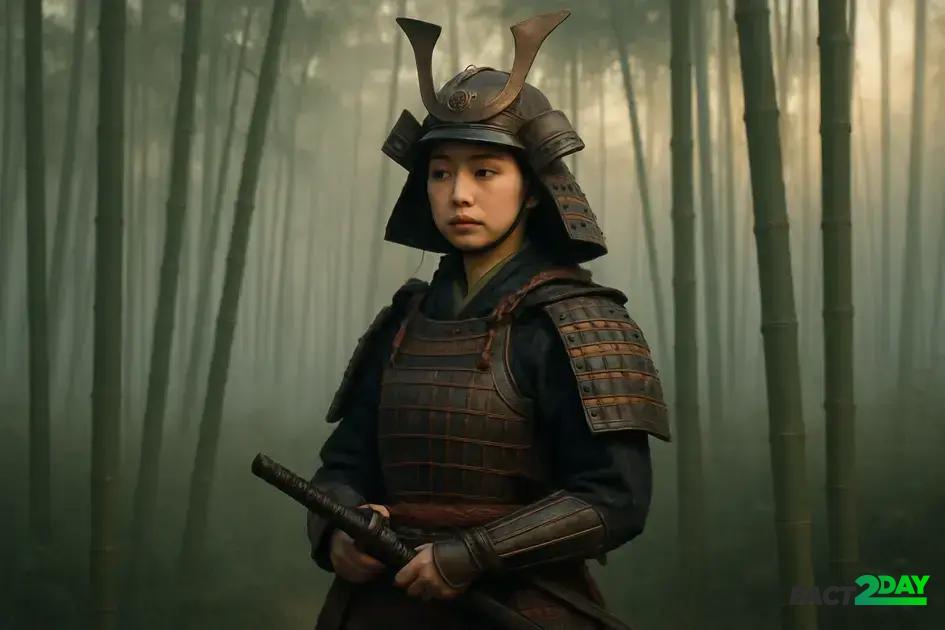
Female samurai warriors, known as onna-bugeisha, were skilled fighters in feudal Japan who protected their homes with unique fighting styles and played crucial roles in samurai families, though their influence declined during the Edo period and has recently gained modern recognition.
Female samurai warriors are often overlooked in tales of feudal Japan. Have you ever wondered about the women who defied convention and took up the sword? Let’s walk through their hidden stories together.
the origins of female samurai warriors
The origins of female samurai warriors date back to Japan’s feudal era, where women of noble birth were trained in martial arts to protect their homes and families. These women, known as onna-bugeisha, were skilled in weaponry, particularly the naginata, a pole weapon favored for its reach and versatility.
Female samurai often emerged from samurai families and were expected to uphold the honor and defense of their households in times of war. Their training included swordsmanship, archery, and strategy, equipping them to stand alongside their male counterparts when necessary.
Historical Context
The rise of female warriors was partly influenced by the constant conflicts that marked the Sengoku period (1467–1615). With men often away on battlefields, women stepped up as defenders of castles and villages. This shift demonstrated their essential role in ensuring survival and continuity of samurai clans.
Cultural Significance
Though not as prominently recorded as male samurai, these women held a respected place in society and influenced cultural perceptions of courage and loyalty. Their stories have been preserved in oral traditions and some historical documents, highlighting their bravery and dedication.
roles and duties of women in samurai families
Women in samurai families were entrusted with critical roles and duties beyond the battlefield. They managed household affairs, raised children, and preserved the family’s honor and traditions. Their responsibilities extended to running estates and ensuring resources were protected during times of conflict.
Guardians of the Home
While men were often away fighting, samurai women acted as guardians of the home. They learned to wield weapons like the naginata and bow to defend their property against intruders or attacks. This balancing act of domestic management and martial skills was essential to maintaining their clan’s strength.
Educating Future Warriors
Samurai women also played a vital role in the education of their children, particularly sons who would become future warriors. They instilled discipline, loyalty, and the bushido code—the samurai way of life. These values helped shape the next generation of samurai society.
Supporting Political Alliances
Marriages within samurai families often served political purposes. Women were key in strengthening alliances between clans. Their role in diplomacy and maintaining peace helped secure the family’s power and influence.
The combination of domestic leadership, martial ability, and political influence made the roles and duties of women in samurai families indispensable to feudal Japan’s social fabric.
fighting styles unique to female warriors
Female samurai warriors developed unique fighting styles that suited their strengths and roles in battle. Unlike their male counterparts who mainly used swords, many women mastered the naginata, a long pole weapon ideal for both offense and defense. Its reach helped female warriors keep enemies at a distance.
Mastery of the Naginata
The naginata was favored by female samurai because it combined sweeping, powerful strikes with swift, agile movements. Training in this weapon required balance, precision, and control. It also allowed women to defend themselves effectively in close quarters or in larger battlefields.
Complementary Skills
Besides the naginata, female warriors often trained in archery and unarmed combat. Archery allowed attacks from a distance while maintaining safety behind castle walls or during skirmishes. Unarmed techniques complemented armed fighting, giving them versatility in different combat scenarios.
Emphasis on Agility and Defense
Female samurai fighting styles emphasized agility, quick reflexes, and defense rather than brute strength. Their combat strategies often focused on protecting vulnerable household members and key positions rather than direct confrontation with large enemy forces.
The adaptability and skill inherent in these fighting styles allowed female samurai to protect their clans fiercely and earned them respect across feudal Japan’s martial culture.
famous female samurai stories and legends
Many famous female samurai have left powerful legacies through stories and legends passed down over centuries. One of the most renowned is Tomoe Gozen, celebrated for her courage and skill in battle during the late Heian period. She is often depicted as a fierce warrior who fought alongside her lord with unmatched bravery.
Tomoe Gozen
Tomoe Gozen’s legend tells of her exceptional ability with the bow and sword. She was said to be both beautiful and deadly, leading troops courageously and even engaging in hand-to-hand combat. Her story highlights the rare but impactful presence of women in samurai warfare.
Hojo Masako
Hojo Masako was not only a samurai’s wife but also a political leader known as the “nun shogun.” After her husband’s death, she wielded great influence and helped maintain the Kamakura shogunate’s power. Her story shows how women exercised authority behind the scenes.
The Onna-Bugeisha Legends
Beyond individual figures, onna-bugeisha as a class have rich folklore associated with them. Tales recount their bravery defending castles and protecting families against invaders. These stories, while sometimes embellished, reveal the respect these warriors commanded.
Such stories continue to inspire modern audiences, rekindling interest in the forgotten female warriors who shaped Japan’s history.
the decline of female samurai influence
The decline of female samurai influence began during the Edo period, when Japan entered a long era of peace and rigid social order. The need for women to take up arms diminished as warfare became less frequent, and their roles shifted more toward domestic duties and courtly behavior.
Social Changes and Restrictions
During this time, strict Confucian ideals shaped society, promoting a more patriarchal system. Women were expected to embody obedience and humility, which limited their participation in martial training and public affairs. This marked a significant reduction in the visibility and influence of female warriors.
samurai as a Social Class
The samurai class itself transformed from a warrior caste to bureaucrats and officials. As the military focus lessened, so did the emphasis on combat skills for all, especially women. This change relegated female samurai to largely symbolic roles within their families.
Preservation Through Culture
Despite their decline in power, stories and legends of female samurai were preserved in literature, theater, and oral tradition. These cultural forms kept alive the memory of their bravery even as their practical roles faded.
The shifts during the Edo period significantly changed the place of female samurai in Japanese history, reflecting broader transformations in society and governance.
modern recognition and cultural impact
In recent years, the modern recognition of female samurai warriors has grown, inspiring new interest in their history and cultural contributions. Museums, books, and films have begun to highlight the stories of these courageous women, shedding light on their vital roles in Japan’s past.
Media and Popular Culture
Female samurai feature prominently in manga, anime, and movies, portraying them as strong, skilled warriors. This media representation helps challenge older stereotypes and brings their legacy to a global audience, celebrating female empowerment through history.
Academic and Historical Research
Scholars increasingly focus on the lives of female samurai, uncovering archival documents and artifacts that reveal their true impact. This research helps correct historical oversights and recognizes their significant contributions to samurai culture and Japanese history.
Influence on Modern Martial Arts
The fighting techniques and philosophies of female samurai influence some modern martial arts schools that emphasize discipline, strategy, and self-defense for women. Their legacy continues to shape how combat skills are taught and valued today.
The growing recognition of female samurai warriors not only honors past heroines but also inspires contemporary discussions about gender, bravery, and heritage in Japan and beyond.
Remembering the female samurai warriors
The stories of female samurai warriors reveal a side of history that is often overlooked. Their strength, skill, and dedication played an important role in Japan’s feudal era. Though their influence declined over time, modern recognition helps honor their bravery and impact.
By learning about these women, we gain a fuller understanding of samurai culture and the diverse roles women held. Their legacy inspires us today, reminding us that courage and loyalty come in many forms.