The Many People Who Falsely Claimed to Be Anastasia
Explore the stories of those who claimed to be the fake heir of Russia, Anastasia, and the mysteries that keep us fascinated.
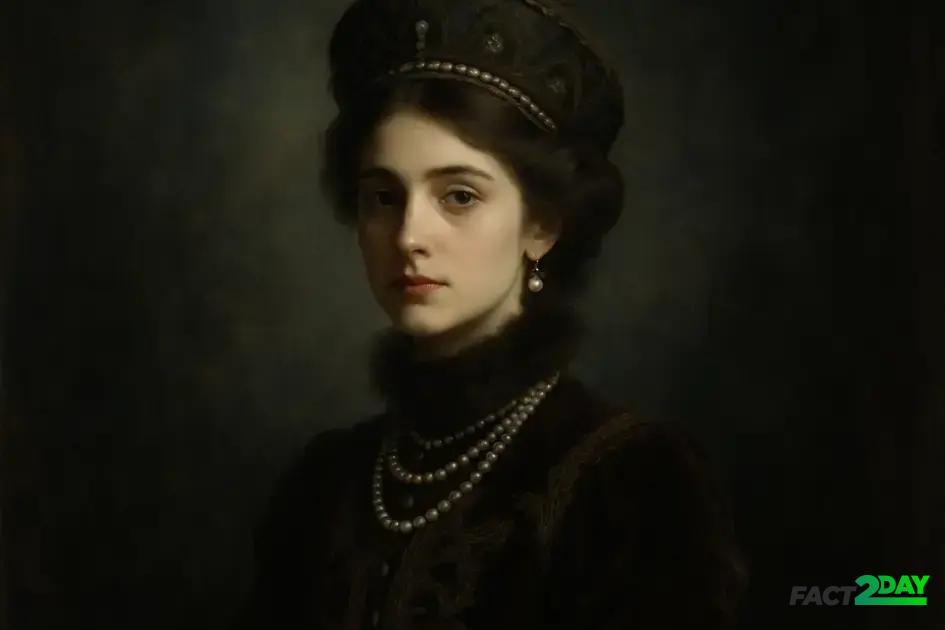
Fake heirs of Russia, especially those claiming to be Anastasia Romanov, were individuals who falsely asserted royal identity after the Romanov family’s execution, fueled by mystery, psychological factors, and media attention, but modern DNA tests have disproven their claims, confirming the Romanovs’ true fate.
Have you ever wondered about the fake heir of Russia known as Anastasia? Many people have claimed her identity, weaving tales of survival and mystery that captivate us even today. Let’s explore these stories and the truth behind them.
who was the real Anastasia Romanov
The real Anastasia Romanov was the youngest daughter of Tsar Nicholas II, the last Emperor of Russia. Born in 1901, she was part of the Romanov family, who ruled Russia for over 300 years. Anastasia lived a life of privilege but faced a tragic fate when her family was executed during the Russian Revolution in 1918.
Despite her young age, Anastasia was known for her lively spirit and strong personality. She was close to her siblings and shared a deep bond with her parents. Her story became famous not only because of her royal status but also because of the mystery that surrounded her possible survival.
For decades, rumors spread that Anastasia had escaped death, fueled by eyewitness accounts and the family’s guarded treasure. This mystery captured the imagination of many, leading to numerous claims of survivors over the years. However, modern DNA testing has confirmed the deaths of the entire Romanov family, closing most doubts about her fate.
Historical importance of Anastasia
Anastasia’s life represents the dramatic end of the Russian monarchy and a turning point in Russian history. Her story is a symbol of lost royalty and the upheaval experienced during the early 20th century. Understanding who she really was helps us grasp the scale of change Russia underwent and why her story resonates even today.
While many legends and myths surround Anastasia Romanov, the truth about her life and death reminds us about the fragility of history and the human desire for hope and survival amidst tragedy.
why did many claim to be Anastasia
After the tragic death of the Romanov family, rumors began circulating that Anastasia had somehow escaped execution. This led many individuals to claim they were the real Anastasia in hopes of gaining fame, sympathy, or even financial support. The chaos and lack of reliable information at the time made it easier for these impostors to gain attention.
The Russian Revolution created a sense of uncertainty and loss, which contributed to these claims. People wanted to believe that some part of the royal family had survived, giving hope and a romanticized idea of rescue. Additionally, many claimants used fabricated stories and physical similarities to convince others of their identity.
The motives behind false claims
Some impostors sought personal benefit by attracting public attention or financial aid. Others might have genuinely believed in their claimed identity due to psychological factors such as trauma or delusion. In the uncertain post-revolutionary period, few records were available, allowing these stories to gain traction.
Media sensationalism also played a big role in encouraging these claims. Newspapers and books frequently covered suspected Anastasia impostors, which helped spread these stories worldwide. The mysterious allure of a lost princess fascinated many and kept the claims alive for decades.
the first known Anastasia impostor
The first known Anastasia impostor appeared shortly after the execution of the Romanov family in 1918. Anna Anderson is the most famous among these impostors. She surfaced in the 1920s, claiming to be the Grand Duchess Anastasia and gained significant attention for her detailed knowledge of the Romanov family and their life.
Anna Anderson’s story inspired hope for many who refused to believe the youngest Romanov daughter had died. She survived under mysterious circumstances, found in Berlin after a suicide attempt, and thereafter insisted she was Anastasia. Many people, including some who had known the Romanovs, were initially convinced by her claims.
Why Anna Anderson’s claim stood out
Her detailed recollections of family secrets and palace life led to numerous legal battles over her identity, raising questions that fascinated the public for decades. Despite suspicion and conflicting evidence, Anderson maintained her claim, which was both supported and disputed by experts and relatives alike.
Later DNA tests have since disproved her claim, confirming she was not related to the Romanovs. However, Anna Anderson remains a significant figure in the story of the Anastasia impostors, shaping public imagination and media portrayals of the lost princess.
how these claims affected history
The numerous claims of being Anastasia had a lasting impact on both history and popular culture. These stories kept hope alive for many who wished to believe that the Romanov dynasty had somehow survived the brutal end of the Russian monarchy. The false claims fueled mystery and intrigue for nearly a century.
Historically, the impostor claims delayed the closure for the tragic fate of the Romanov family, creating confusion about their true end. Governments and historians faced challenges in verifying facts due to conflicting testimonies and lack of reliable evidence. This uncertainty allowed myths to persist and shaped how the public understood the fall of the Russian Empire.
Impact on culture and media
The fascination with Anastasia and her alleged impostors inspired numerous books, films, and plays. Her story became a symbol of resilience and mystery, often romanticizing the idea of lost royalty. This cultural impact helped keep Russian history in the global conversation, even as the real events faded into the past.
Moreover, the claims influenced legal battles and forensic science advancements, especially with DNA testing. Resolving these issues helped historians confirm historical truths and demonstrated the importance of scientific methods in settling historical debates.
popular Anastasia impostors in the 20th century
Throughout the 20th century, several individuals claimed to be Anastasia Romanov, each with their own story and followers. Besides the most famous impostor, Anna Anderson, there were others who sought to capture public attention by asserting they were the lost princess.
One notable impostor was Eugenia Smith, who appeared in the 1960s and gained some media coverage. She shared details about palace life and her supposed escape, though her claims were widely disputed. Another was Franziska Shanzkowska, a Polish woman who reportedly had similar stories, but lacked convincing evidence.
Why these impostors gained attention
The turbulent political atmosphere and limited information about the Romanovs’ fate allowed these impostors to gain some traction. Their stories were amplified by the public’s fascination with lost royalty and the possibility of a miracle survival. Many of these claimants wrote books or gave interviews, keeping the myth alive.
Despite skepticism from historians, these impostors had a lasting cultural impact. Their stories contributed to the legend of Anastasia, inspiring movies and books that mixed fact and fiction. This continued fascination reflects a deep human desire for mystery, hope, and identity.
psychological reasons behind impostor claims
Many people who claimed to be Anastasia suffered from complex psychological factors. Some may have experienced trauma or loss that led them to create or believe in alternate identities as a coping mechanism. Psychological conditions like dissociative identity disorder or delusions can cause individuals to believe they are someone else entirely.
Others might have used the impostor identity intentionally for personal gain, but underlying emotional needs often played a role. The desire to be loved, recognized, or to feel special can drive people to invent such stories, especially when their real lives are marked by hardship or neglect.
The role of public fascination and hope
The widespread fascination with Anastasia’s survival story also influenced these psychological factors. Hope and collective belief in miracles created an environment where impostors found support and validation, which could reinforce their claims. Social acceptance sometimes masked the reality of their psychological conditions.
Understanding these motivations helps explain why impostor claims persisted for so long. It highlights the human need for identity and belonging, and how history and myth can shape personal narratives.
how to distinguish real heirs from impostors
Distinguishing real heirs from impostors requires careful examination of evidence and modern scientific methods. Historically, claims to royal identity were often judged on physical resemblance and personal knowledge, but these methods were unreliable and allowed impostors to thrive.
Today, DNA testing is the most reliable way to confirm identity. By comparing genetic material from alleged heirs to known descendants or preserved Romanov remains, experts can verify claims with high certainty. This scientific approach has disproven many impostor claims.
Other verification methods
In addition to DNA, historical documents, eyewitness testimonies, and forensic analysis play a role. Authenticity of personal items, letters, and photographs can support or refute claims. Experts also analyze behavior and linguistic skills to detect inconsistencies.
Despite these tools, some impostors used clever tactics like learning family stories and mimicking mannerisms, making it harder to detect deceit. Critical thinking and skepticism are essential when assessing royal claims, especially when financial or political motives are involved.
Overall, combining scientific evidence with historical research helps to separate fact from fiction and protect the legacy of true heirs.
the impact of media on Anastasia myths
The media played a crucial role in shaping and spreading the myths surrounding Anastasia Romanov. Newspapers, books, and later films sensationalized stories of her possible survival, tapping into the public’s fascination with royalty and mystery. This widespread media coverage kept the legend alive for decades.
During the early 20th century, newspapers often published unverified claims from supposed Anastasia impostors, which helped these stories gain global attention. Sensational headlines and vivid storytelling made the myth appealing, even when facts were scarce or contradictory.
Role of films and literature
Movies, plays, and novels further dramatized Anastasia’s story, blending fact with fiction to create a romanticized narrative. Popular culture transformed Anastasia from a tragic historical figure into a symbol of hope and resilience. These portrayals often overshadowed historical accuracy but succeeded in keeping public interest alive.
Today, media’s influence continues as documentaries and online content revisit the Anastasia mystery with modern perspectives. While media can sometimes distort facts, it also encourages exploration and learning about history through engaging formats.
famous investigations and DNA tests
Famous investigations and DNA tests played a key role in solving the mystery of Anastasia Romanov and the impostors who claimed her identity. For decades, the whereabouts of the Romanov family remained uncertain until their remains were discovered in the 1990s.
Scientists used DNA analysis to identify the bodies with high accuracy. They compared the samples with living relatives of the Romanovs, confirming the deaths of Tsar Nicholas II, his family, and close attendants. This was a major breakthrough that debunked many survival claims.
Key forensic breakthroughs
Besides DNA testing, forensic experts examined bones and personal items to piece together what happened to the family. The tests included mitochondrial DNA, which passes through the maternal line, providing reliable identification even in degraded samples.
The investigations also led to the uncovering of previously hidden burial sites, further confirming the tragic fate of the Romanovs. These scientific findings helped close a historical chapter and ended the era of impostor claims with strong evidence.
Today, forensic science continues to play an important role in verifying historical mysteries and validating identities, showing how technology can help answer long-standing questions.
what Anastasia’s story teaches us about identity
Anastasia’s story teaches us profound lessons about identity, hope, and the human desire to find belonging. Despite the tragic end of her family, the enduring myths and claims about her survival reflect a strong need to connect with a past or idealized self.
Her tale shows how identity is not just about facts but also about belief and perception. Many who claimed to be Anastasia adopted this identity to give meaning to their lives or to gain acceptance. This demonstrates how personal and social identity can intertwine with history and culture.
The power of narrative in shaping identity
Stories like Anastasia’s highlight how narratives influence how we see ourselves and others. They provide comfort, hope, and a way to cope with loss. The collective fascination with Anastasia also reveals how societies construct symbols and myths to make sense of complex histories.
In today’s world, Anastasia’s story reminds us to be critical but compassionate toward those exploring or claiming identities, understanding the psychological and social factors at play. It encourages us to appreciate the complexity of identity beyond surface appearances.
Understanding the Legacy of Anastasia’s Story
The story of Anastasia and the many impostors who claimed her identity reminds us of the powerful human need for hope and connection. While science has clarified her true fate, the myths continue to captivate our imagination.
Her tale teaches important lessons about identity, belief, and how history and culture shape personal stories. By exploring these claims with compassion and critical thought, we can better appreciate the complexity of identity and the enduring impact of historical events.
In the end, Anastasia’s legacy is not just about a lost princess but about the shared stories that help us understand ourselves and the world around us.