They Failed but Changed Everything: Forgotten Consoles That Shaped the Future
Failed consoles changed the gaming world in unexpected ways. Dive into the stories behind these forgotten machines and their lasting impact.
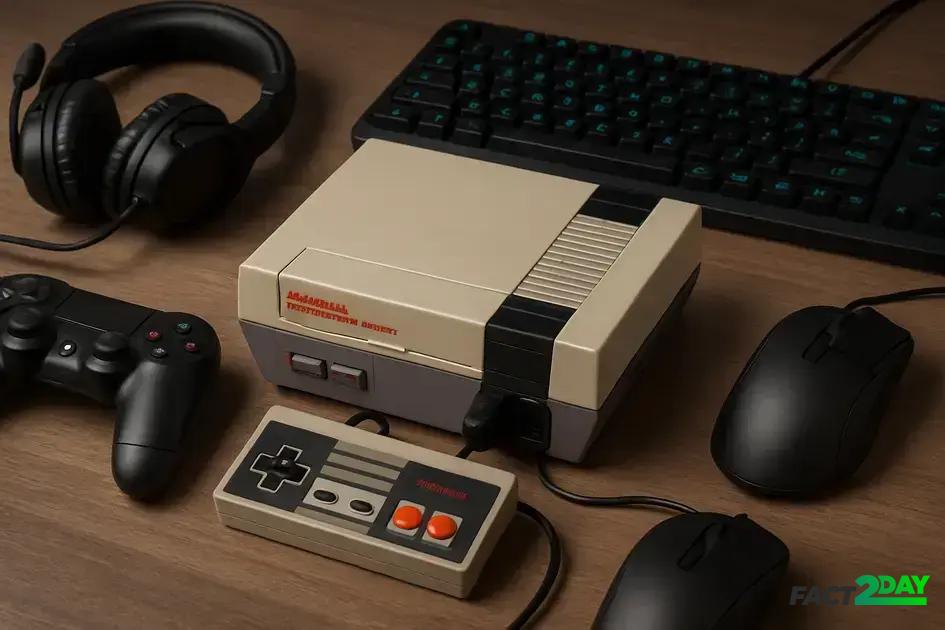
Failed consoles introduced key innovations and ideas that shaped modern gaming by influencing hardware design, online connectivity, and gameplay, despite their commercial shortcomings.
Failed consoles might seem like dead ends, but many actually shaped how we game today. Ever wondered why some consoles disappeared despite cool tech? Let’s uncover their hidden impact.
the rise and fall of forgotten consoles
Many consoles have entered the market with high hopes, only to face unexpected challenges leading to their downfall. These systems often launched with innovative ideas but struggled against competition, poor marketing, or technical issues. For example, the Sega Dreamcast was ahead of its time with online gaming features but couldn’t match the sales power of its rivals. Similarly, the Atari Jaguar tried to push 64-bit graphics but was overshadowed by better-supported consoles.
Failed consoles usually suffer from limited game libraries, which in turn affect user adoption. When players don’t find compelling titles, the momentum for the platform fades quickly. Lack of third-party developer support often leads to a vicious cycle of diminishing appeal.
Despite their eventual fall, many of these consoles introduced features and concepts that influenced future generations. For instance, motion controls and wireless capabilities found in some failed consoles later became standard in industry giants like Nintendo and Sony.
Analyzing these rises and falls reveals important lessons about market timing, consumer expectations, and innovation in gaming technology. It shows that failure doesn’t always mean insignificance — many forgotten consoles have quietly shaped the way we experience games today.
key innovations introduced by failed consoles
Failed consoles often introduced groundbreaking features that later became standard in the gaming industry. For example, the Virtual Boy by Nintendo was one of the first attempts at 3D gaming, offering players a new visual experience despite its commercial failure. Similarly, the Sega Dreamcast pioneered online multiplayer gaming long before it became widespread on other platforms.
Many failed consoles also experimented with unique controller designs and input methods. The Atari Lynx featured a color LCD screen and portable play, setting early standards for handheld gaming devices. Others, like the Power Glove, tried to bring motion controls into players’ homes, influencing later systems such as the Nintendo Wii.
Storage and game media formats were another area of innovation. Some consoles introduced new cartridge shapes or early disc-based games, pushing the limits of game size and complexity. Although many of these ideas did not succeed commercially, they paved the way for technical advances in console gaming.
These innovations underscore that even failed consoles contributed valuable ideas and technologies. By pushing boundaries and experimenting boldly, they helped shape the foundation for future successes in the gaming market.
how failed consoles influenced mainstream gaming
Failed consoles have had a lasting impact on mainstream gaming, often introducing ideas that were later adopted by more successful systems. For example, the Dreamcast brought online gaming to the forefront, influencing how companies like Sony and Microsoft developed their networks. Its early success with online multiplayer paved the way for today’s connected gaming experiences.
Another example is the use of unique controllers and motion sensing technology by less successful consoles, such as the Power Glove or the Wii’s precursor attempts. These innovations encouraged major players to invest in new ways of interaction, which revolutionized gameplay and accessibility.
Game design and development also benefited, as failed consoles often pushed the boundaries of what games could do, inspiring developers to experiment with new genres and mechanics. The lessons learned from these consoles helped refine user interfaces, game balance, and hardware capabilities in mainstream console generations.
Additionally, these consoles created niche communities, showing mainstream companies the value of catering to varied player interests and expanding their audience. Overall, failed consoles often acted as testbeds for pioneering technology, shaping the future despite their lack of commercial success.
lessons learned from commercial failures
Commercial failures in the console market provide valuable lessons for both manufacturers and developers. One key learning is the importance of understanding the target audience. Many failed consoles lacked games or features that resonated with players, leading to poor sales. For example, ignoring popular game genres or community preferences can quickly doom a system.
Another lesson involves the timing of release. Launching a console too early with immature technology or too late in the lifecycle of competitors often means missing critical market opportunities. Proper planning and market analysis are essential.
Strong third-party support is also crucial. Consoles that fail to attract quality developers typically suffer from a weak game library. Partnerships and incentives can help secure diverse and engaging content, which drives hardware sales.
Marketing and pricing strategies must align with consumer expectations and competitive positioning. Overpricing or poor messaging can alienate potential buyers, as seen in past commercial flops.
Lastly, embracing innovation while balancing proven features is key. Some consoles failed by focusing too much on flashy tech without ensuring usability and player experience.
These lessons shape how the industry approaches new console launches, emphasizing user engagement, quality content, and strategic planning.
the cult following of once-failed consoles
Many failed consoles have developed a cult following among gamers and collectors. These communities appreciate the unique hardware, rare games, and bold ideas that set these consoles apart from mainstream options. For example, systems like the Sega Dreamcast and NEC TurboGrafx-16 still attract passionate fans who create fan art, mod hardware, and organize events.
Collectors often seek these consoles for their rarity and nostalgia. Limited production runs and short market lives make certain consoles prized possessions in retro gaming circles. This enthusiasm helps preserve the legacy and stories of these once-forgotten devices.
Enthusiasts sometimes develop new software or homebrew games for failed consoles, keeping them alive even decades after their release. This dedication showcases the impact such consoles had, despite commercial struggles.
Communities online and offline share tips, restoration guides, and multiplayer events, strengthening bonds between fans worldwide. Their efforts highlight how failed consoles can offer rich, rewarding experiences beyond sales figures.
The cult status of these consoles proves that innovation and passion resonate, inspiring creativity and connection long after market exits.
what failed consoles mean for the future of gaming
Failed consoles often represent bold experiments in gaming, and their lessons shape the future of the industry. They show that innovation carries risks but also opens new paths for development. Concepts like online connectivity, unique controls, and new game genres first appear on these systems, influencing future designs.
These consoles highlight the value of learning from failure. Companies that study these missteps can improve hardware, software, and marketing strategies for upcoming launches. This results in better products that meet players’ evolving expectations.
Moreover, failed consoles inspire independent developers and niche audiences, pushing diversity in gaming experiences. This diversity fuels creativity and drives the industry toward more inclusive and experimental projects that mainstream consoles later embrace.
As technology advances, the innovative ideas born from failed consoles could pave the way for the next big breakthrough in gaming, such as virtual reality, augmented reality, or cloud gaming.
Ultimately, failed consoles are stepping stones that help shape a more dynamic and exciting future for gamers worldwide.
Looking Back to Move Forward
Failed consoles may not have succeeded in the market, but their impact on gaming is undeniable. They pushed boundaries and introduced ideas that changed how we play today.
By learning from their successes and mistakes, the gaming industry continues to innovate and grow. These consoles remind us that failure is often a step toward progress and exciting new experiences.
As gamers and creators, we can appreciate the role of these forgotten machines in shaping the future of gaming.