Life in the Most Extreme Places on Earth
Explore how extremophiles survive in harsh environments, revealing secrets of life where few organisms dare to exist.
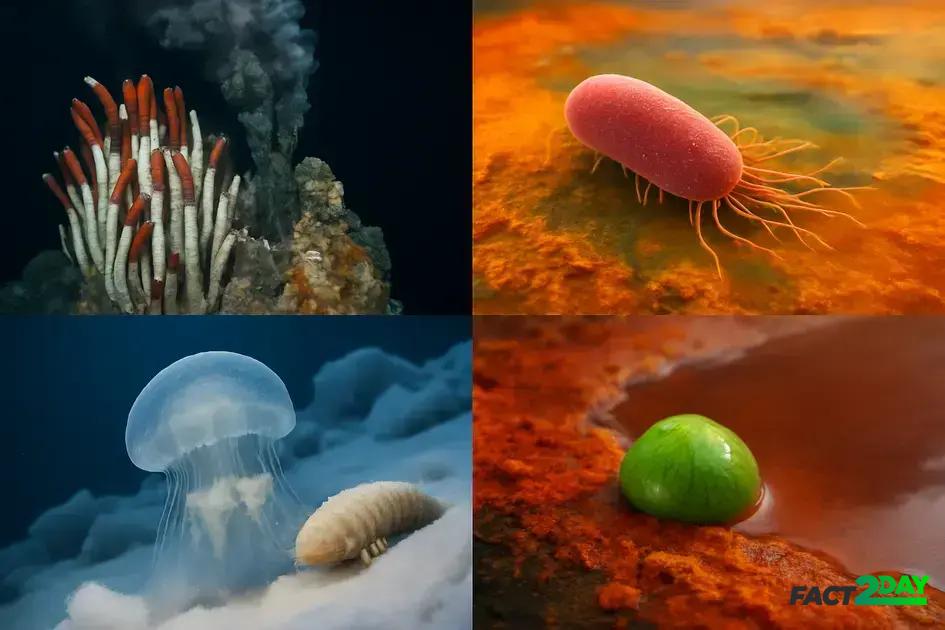
Extremophiles are microorganisms that survive in Earth’s harshest environments by adapting specialized proteins, enzymes, and cellular mechanisms, offering valuable insights and applications in science, medicine, and industry.
Have you ever wondered about life that thrives where you’d least expect it? Extremophiles are organisms that survive and even flourish in Earth’s harshest places. Curious to know how they do it? Let’s dive in.
What are extremophiles and why do they matter?
Extremophiles are organisms that live in conditions once thought to be too hostile for life. These can include places with extreme temperature, acidity, salinity, radiation, or pressure. Examples include bacteria found in boiling hot springs and microbes thriving in icy Arctic waters.
They matter because they challenge our understanding of life’s limits and show how adaptable life can be. Studying extremophiles helps scientists learn more about the origins of life on Earth and the potential for life on other planets. Their unique adaptations also provide insights useful in biotechnology and medicine.
Types of Extremophiles
There are many categories, such as thermophiles that live in hot environments, acidophiles thriving in acidic surroundings, and halophiles that prefer salty waters. Each group has special traits to survive harsh conditions, like heat-stable enzymes or protective cell walls.
By understanding extremophiles, we gain a better perspective on biodiversity and the incredible survival strategies nature develops in extreme environments.
Types of extreme environments where extremophiles thrive
Extremophiles live in some of the world’s harshest and most unusual environments. These include hydrothermal vents deep under the ocean, where boiling water rich in minerals supports unique life forms. They are also found in acidic hot springs, where the pH can be as low as 1, far too harsh for most organisms.
Other inhabitants of extreme environments include those living in salt flats and hypersaline lakes, which have salt levels much higher than seawater. These halophiles have adapted to avoid dehydration and ion imbalance. In contrast, psychrophiles thrive in permanent ice and cold ocean waters, surviving freezing temperatures and low nutrient availability.
High-radiation environments like areas contaminated by nuclear waste or exposed to strong solar radiation are home to radiophiles. Some microbes also withstand high-pressure conditions found deep below the Earth’s surface or in ocean trenches.
Each environment demands unique biological adaptations, making these habitats fascinating study sites for scientists exploring life’s resilience.
Adaptations that help extremophiles survive
Have evolved remarkable adaptations to survive in worlds that seem inhospitable. One key adaptation is the presence of specialized proteins and enzymes that function well under extreme heat, cold, salt, or acidity. For instance, thermophiles produce heat-stable enzymes that do not denature even at boiling temperatures.
Many extremophiles modify their cell membranes to maintain stability and fluidity under harsh conditions. Fatty acid composition changes help protect cells from damage caused by high pressure or intense radiation.
DNA Protection and Repair
Some extremophiles have enhanced mechanisms to protect and repair DNA. This allows them to survive intense radiation or chemical damage. They might produce molecules that scavenge harmful reactive oxygen species or use efficient DNA repair enzymes.
Other adaptations include the accumulation of compatible solutes—small molecules that help balance osmotic pressure without interfering with cellular function. This is crucial for halophiles living in salty habitats.
These survival strategies highlight the impressive resilience of provide inspiration for scientific advancements in biotechnology and medicine.
The role of extremophiles in ecosystem balance
Extremophiles play a crucial role in maintaining the balance of ecosystems, especially in environments where few other organisms can survive. By breaking down organic matter, they recycle nutrients that support other life forms. For example, extremophiles in deep-sea vents convert chemicals like hydrogen sulfide into energy through chemosynthesis, forming the base of unique food chains.
These organisms also influence global biogeochemical cycles. Some extremophiles help fix nitrogen, making this essential nutrient available for plants and animals in extreme habitats. Others contribute to the cycling of carbon, sulfur, and other elements, impacting the overall health of ecosystems.
Supporting Biodiversity in Extreme Habitats
By creating microhabitats and producing organic matter, extremophiles enable other species to thrive. Their presence supports diverse microbial communities, which in turn sustain larger organisms. This interconnected web is essential for ecosystem stability and resilience, especially in harsh environments where life is limited.
Studying extremophiles helps reveal how life adapts and persists, offering insights that are vital for understanding ecosystem functions under stress, such as climate change.
How extremophiles inspire science and technology
Extremophiles have inspired many breakthroughs in science and technology due to their unique abilities to thrive in harsh conditions. Their enzymes, called extremozymes, are used in industrial processes that require extreme temperatures or pH levels. For instance, enzymes from thermophiles are employed in PCR techniques, which are vital for DNA amplification in laboratories.
In biotechnology, extremophiles help develop biofuels by breaking down tough plant materials under extreme conditions. They also inspire the creation of stable pharmaceuticals and novel materials able to withstand stress.
Environmental and Medical Applications
Extremophiles assist in bioremediation, cleaning up pollutants in harsh environments where traditional methods fail. Their mechanisms for withstanding radiation and toxins have led to research in cancer treatments and improving human resilience to radiation.
The study of extremophiles also advances astrobiology, helping scientists understand how life might exist on other planets with extreme environments, such as Mars or Europa.
Challenges faced by extremophiles in changing climates
Face growing challenges as Earth’s climate changes rapidly. Rising temperatures, altered rainfall patterns, and increasing pollution can disrupt their specialized habitats. For example, thermophiles adapted to stable hot springs might struggle if water chemistry changes or if temperatures rise beyond their tolerance.
Climate change can also affect the availability of nutrients or increase competition from other organisms moving into extreme environments. Changes in salinity or acidity can disturb the delicate balance extremophiles depend on.
Impact of Human Activities
Pollution and habitat destruction caused by mining, drilling, and other human actions threaten these fragile ecosystems. Some extremophiles are highly sensitive to contaminants and show stress responses, which impact ecosystem functions.
Despite their resilience, extremophiles have limits. If environmental changes happen too quickly or are too severe, their survival and ecological roles may be at risk. Studying these challenges helps scientists understand how ecosystems might shift and guides conservation efforts.
Methods researchers use to study extremophiles
Researchers use diverse methods to study extremophiles depending on their environment and characteristics. Field sampling involves collecting specimens from extreme locations like hot springs, deep oceans, or polar ice, often requiring specialized equipment and careful handling.
In the lab, scientists culture extremophiles under controlled conditions that mimic their natural habitats, such as high pressure, temperature, or acidity. This helps study their physiology and growth patterns.
Genomic and Molecular Techniques
Molecular biology tools like DNA sequencing reveal genetic adaptations that allow extremophiles to survive. Metagenomics analyzes entire microbial communities without needing to culture individual species. Proteomics and metabolomics give insights into the proteins and metabolic pathways involved in extreme survival.
Advanced imaging methods such as electron microscopy provide detailed views of cellular structures. Bioinformatics helps interpret complex data, leading to discoveries in gene functions and evolutionary relationships.
These combined approaches deepen our understanding of extremophiles and their potential applications in science and industry.
Potential applications of extremophiles in medicine and industry
Extremophiles offer valuable applications in medicine and industry thanks to their unique biological properties. Their enzymes, known as extremozymes, work under conditions that denature typical proteins. These enzymes are used in pharmaceuticals to develop drugs that remain stable under extreme conditions, improving shelf life and effectiveness.
In industry, extremophiles aid in manufacturing processes. For example, thermostable enzymes from heat-loving microbes are crucial in producing biofuels by breaking down tough plant materials efficiently at high temperatures.
Medical Innovations
Some extremophiles produce compounds with antibiotic or anti-cancer properties, providing new leads for drug development. Their DNA repair mechanisms inspire research into cancer therapies and radiation protection.
Extremophiles also contribute to bioremediation, helping clean pollutants in harsh environments where conventional methods fail. Their resilience makes them ideal for treating contaminated sites, including heavy metals and radioactive waste.
The study and application of extremophiles continue to expand, offering sustainable and innovative solutions across multiple fields.
Understanding the Impact of Extremophiles
Extremophiles reveal how life can thrive in the most unexpected and harsh conditions. Their unique abilities help scientists explore new frontiers in medicine, industry, and environmental science.
The study of these organisms not only expands our knowledge of biology but also inspires innovative solutions to real-world problems. By learning from extremophiles, we can develop new technologies and improve sustainability.
As we face changing climates and environmental challenges, extremophiles remind us of the resilience and adaptability of life on Earth. Exploring their world opens exciting possibilities for the future.